Imagine waking up to the sound of rushing water. For a homeowner, that is the moment of an Emergency Burst Pipe Repair alert. The kitchen floor is turning into a mini-Lake Perth. The only thing on your mind is Emergency Burst Pipe Repair. It’s a homeowner’s nightmare: something you never expect to happen – until it does. For an Emergency Burst Pipe Repair, every second counts.
In Perth, any burst pipe can quickly become an Emergency Burst Pipe Repair scenario. Our weather can surprise us with sudden cold snaps or heavy storms, and sometimes plumbing fails at the worst times. When water starts gushing through your ceiling, remember: calm action is key. Let’s break down exactly what to do, who to call, and how to stop the flood.
What Is a Burst Pipe Emergency?
An emergency burst pipe means a water pipe has cracked or split open suddenly, sending water gushing out violently. This isn’t a slow drip or a minor leak – it’s an indoor fountain gone wrong. Pipes can burst for various reasons: freezing water expanding (even Perth can get surprise frosts), old corroded pipes giving way, tree roots pushing into underground drains, or even a spike in water pressure. Imagine turning on your tap and instead of a gentle stream, water blasts out from a hole.
Common warning signs include:
- Hissing, popping or banging sounds from your pipes (often called “water hammer” or a pipe knocking).
- Bulges, cracks or wet spots on any exposed piping.
- Wet or discoloured patches on walls, ceilings or floors – water always finds a way out.
- Suddenly sky-high water bill or a noticeable drop in water pressure – a hidden leak is probably draining your system.
- Musty smells or early mould anywhere in the home, signaling hidden moisture.
Speaking from experience, I once ignored a surging water bill – only to wake up to a puddle in the kitchen the next morning. Don’t be like me – you’ll know something’s wrong (and hopefully avoid an Emergency Burst Pipe Repair disaster).
Immediate Steps to Take
In an Emergency Burst Pipe Repair, first things first: act fast and smart. Here’s what to do immediately:
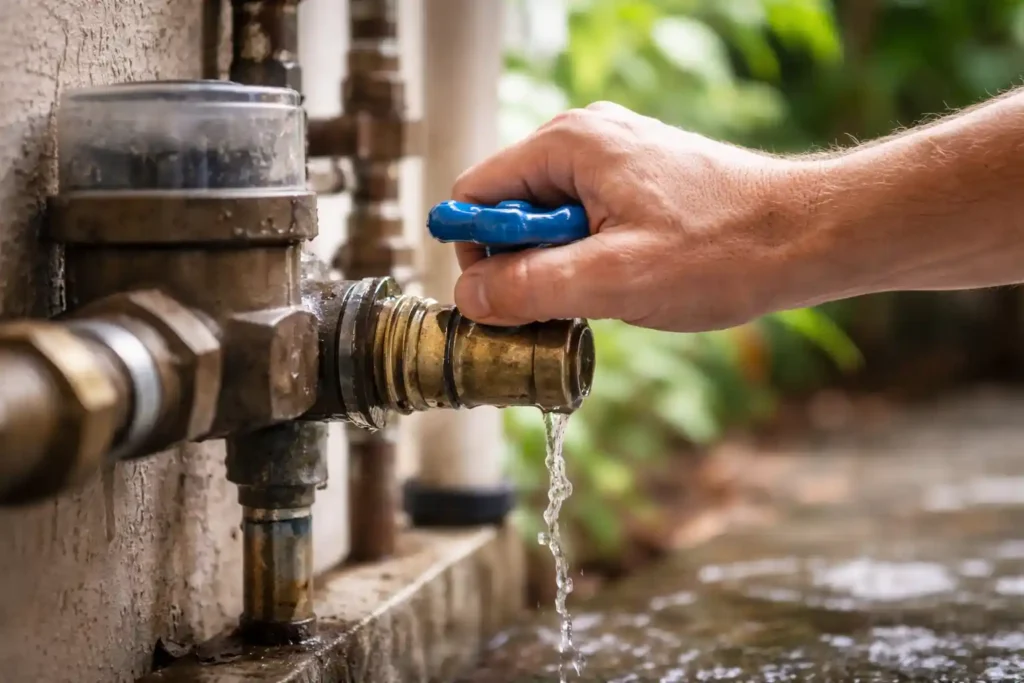
- Shut off the main water supply immediately. Turn the valve at the meter or under the house (usually clockwise) until the water stops.
- Turn off electricity at the mains in the affected area, then drain the system by opening all faucets and flushing toilets. This relieves pressure so pipes don’t keep spraying. Remember, water and power together are a deadly combo – safety first.
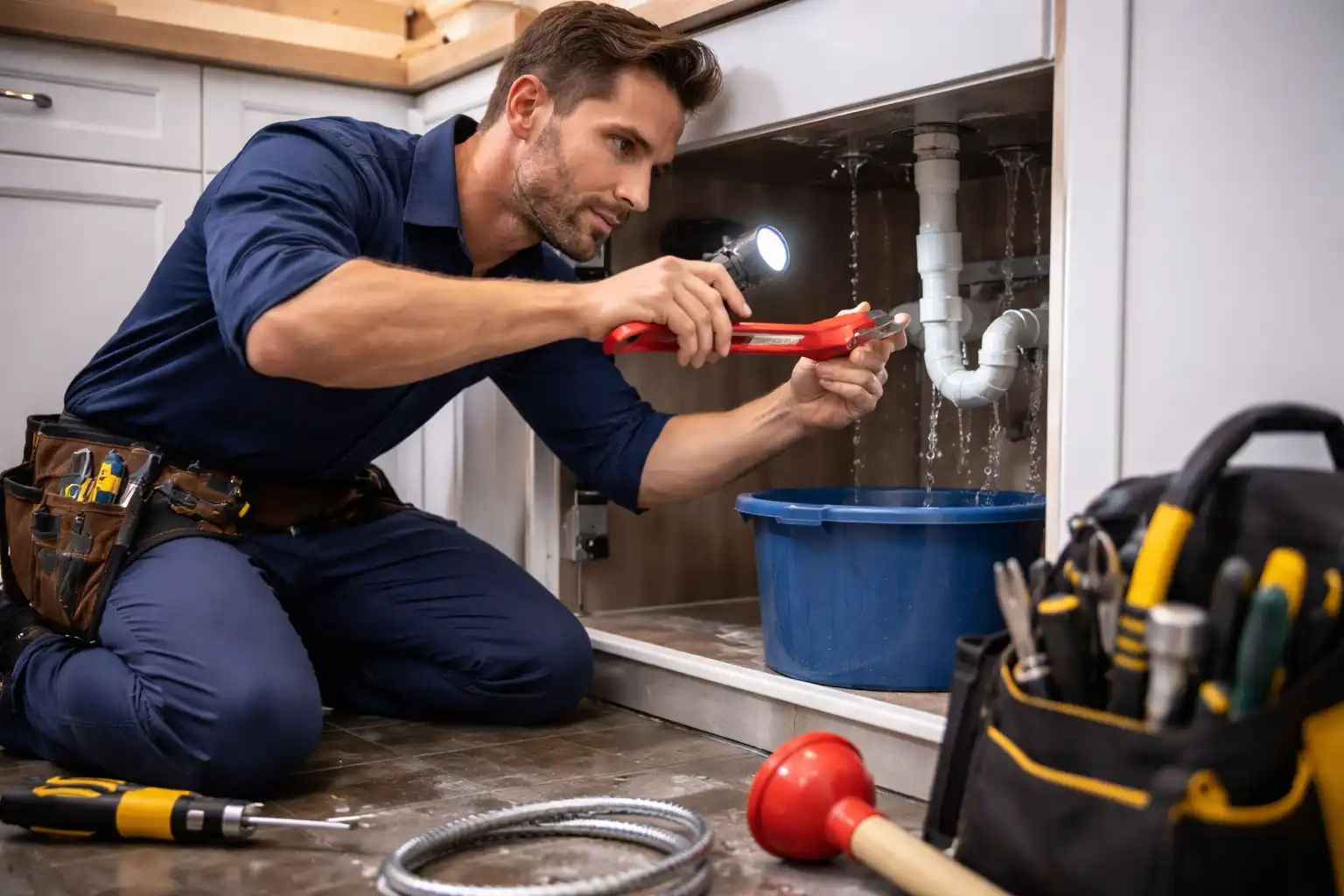
- Contain the leak: grab any bucket, pot or even a fish tank water bucket to catch dripping water, and lay towels or a mop around the area. Every bit helps prevent spread and keeps the flood localized.
These steps may sound basic, but each one saves you hours of cleanup and thousands in repairs. Seriously – scooping water with the kitchen measuring jug is totally worth it if it keeps your floors dry.
Once that’s done, call a professional right away. For Perth locals, you can book a fast response through our emergency plumbing service in Perth or dial a plumber you trust. If possible, verify they’re licensed (you can check on the WA government trades portal). Explain your situation clearly – most emergency plumbers will guide you through these steps over the phone and reassure you until help arrives.
Why Emergency Response Matters
Letting a broken pipe run unchecked is like leaving your front door open during a monsoon. Burst pipes flood rooms in minutes. Imagine a torrent gushing through your living room – soaking carpets, drenching furniture and electronics. Even after you shut the water off, the damage keeps unfolding. Pooled water breeds mould and mildew (and even mosquitoes), while moisture creeping into walls or foundations can cause lasting cracks and rot.
When a licensed plumber arrives, they’ll locate the break (sometimes cutting into a wall or floor to reach the pipe). They may then cut out the damaged section and fit a new piece or clamp in its place. After the repair, they’ll turn the water back on and test thoroughly to make sure nothing is still leaking. This stops the flow completely – unlike DIY tapes or gel, which are only temporary. Once dry, they’ll restore everything as much as possible.
Getting expert help fast isn’t just about fixing a pipe – it’s about protecting your home and health. For instance, even in cooler Perth winters a tiny leak can trigger mould growth by spring. So if you ever doubt it’s an emergency, remember: calling a plumber quickly means less destruction, fewer secondary problems, and a smaller insurance bill.
Sometimes you have to improvise. Use anything on hand – even a saucepan or large bowl – to catch drips and spare your floor from an impromptu swimming lesson.
Finding a 24/7 Emergency Plumber in Perth
After you’ve stabilized the situation, the next move is to find a plumber who can fix it—now. Perth has plumbing companies on call 24/7 for emergencies. When you ring around, say it’s an emergency burst pipe to get top priority. Ask if they charge after-hours fees (many will, usually $100–$150 extra, but that’s cheaper than a ruined kitchen).
Make sure whoever you call is fully licensed. In WA, you can verify a plumber’s registration online. A licensed pro won’t just patch it up; they’ll use safe materials and follow the plumbing code. If possible, verify they’re licensed. You can check the requirements for licensed plumbers in Western Australia on the WA Government website before allowing any emergency repairs to proceed.
Once on site, a good plumber will explain your options: sometimes they might do a quick stop-gap fix tonight and plan a full replacement tomorrow, or if they have parts ready they’ll handle it completely. They should give an upfront quote (watch out for surprise upsells!). If they hesistate or seem shady, hang up and find someone else.
What to Expect During the Repair
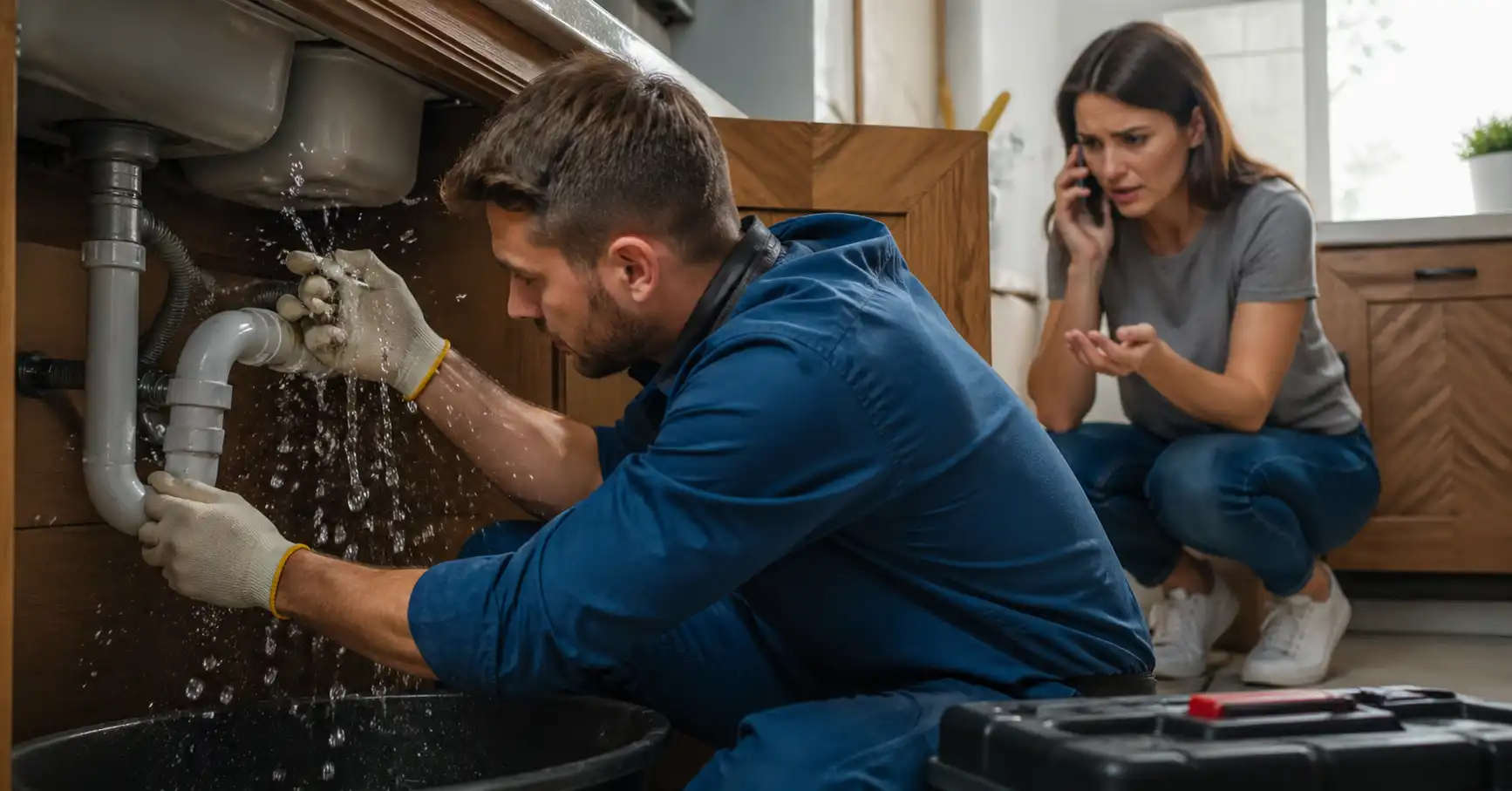
For an Emergency Burst Pipe Repair, when the plumber arrives, they’ll locate the break (often by listening or using moisture meters) and then remove the damaged section. They may need to cut into walls or floors to reach hidden pipes. Next, they install a replacement pipe or fitting and seal everything up.
Finally, they’ll turn the water back on and test to confirm the leak is gone. Depending on how hard-to-reach the pipe is and the extent of the damage, this can take from an hour or two up to a whole day. But by the end, your home is safe and dry again – and hopefully without a surprise indoor waterfall.
The Cost and Insurance Angle
Let’s talk money (not fun, but important). Emergency call-outs cost more than a regular appointment, especially late at night. Expect a higher hourly rate and possibly a minimum fee. For example, many plumbers tack on an “after-hours” surcharge (commonly $100–$200) just to drive to you. Once there, simple fixes (say, clamping a pinhole) might only run a few hundred dollars total. But big jobs – think cutting into tiles or concreting to repipe – can easily hit the low thousands.
Check your home insurance policy as soon as you can: most cover sudden burst pipes and the resulting water damage (though often not the plumber’s overtime fee). Take photos of the leak and damage for your claim. If in doubt, call your insurer’s hotline. Being proactive helps: insurers won’t mind repairs done after you shut things off, and quick action usually saves on the final payout.
Preventing Future Burst Pipes
After surviving this Emergency Burst Pipe Repair frenzy, you’ll want to lock down your plumbing. A little maintenance now goes a long way later:
Inspect old pipes
Homes over 20–30 years old might have galvanized steel or terracotta pipes that rust from the inside. Have a plumber check any suspect plumbing. Replacing an aging section pre-emptively (with PVC or PEX) can avoid a sudden break.
Check flexi-hoses
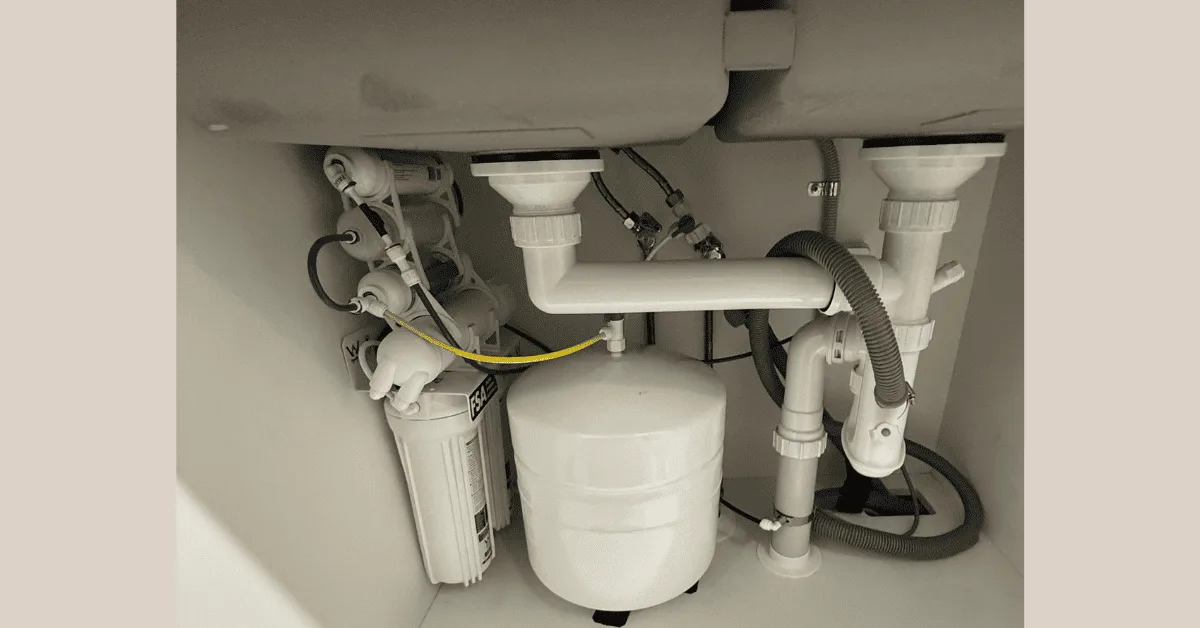
The braided rubber hoses under sinks and to appliances (dishwashers, hot water units) wear out in about 5–10 years. If hoses look bulged, rusty or frayed, replace them now with quality ones. NRMA warns: any sign of wear means swap it out immediately.
Maintain proper pressure
Excess pressure stresses pipes. The Aussie standard is ~40–80 psi. If your taps sing or pipes hammer, you might have a pressure problem. Consider installing a pressure regulator or a water hammer arrestor.
Prevent clogs
Clogs upstream can act like a dam, raising pressure on pipes. Don’t pour grease or big solids down drains. Use strainers in sinks, and have drains professionally cleaned if they’re sluggish.
Tree root awareness
Roots from old trees can crack underground pipes. If you’re planting new trees, keep them away from sewer and stormwater lines. If pipes have roots, you may need root barriers or pipe relining when fixing.
Think of it like a health check-up for your home’s plumbing: a little care now means fewer shock visits later.
| Cause | Why It Matters | Preventive Action |
| Tree roots | Roots invade cracks or joints and create major blockages | Avoid planting trees near pipes; use root barriers if re-laying pipes. |
| Freezing (rare) | Frozen water expands ~9%, enough to burst even a tough pipe | Insulate any exposed pipes; let taps drip during rare frosts. |
| Corroded/Aged pipes | Rust and wear thin pipe walls over time | Inspect old pipes and replace corroded sections; use rust-resistant materials. |
| High pressure | Constant high pressure stresses joints and causes “hammer” failures | Install a pressure regulator; fix any “thumping” taps promptly. |
| Faulty flexi hoses | Rubber hoses can split suddenly, dumping large water volume | Replace hoses every few years; ensure clamps are tight and fittings correct. |
| Blockages (clogs) | Build-up (hair, grease) adds pressure upstream, risking bursts | Keep drains clear with strainers; dispose of grease and solid waste properly. |
These steps help you sleep better at night—literally. A stitch in time saves nine (or at least saves a flooded laundry).
Conclusion
A burst pipe is a dramatic shock, but not the end of the world if you handle it right. Treat it as an Emergency Burst Pipe Repair scenario: stay calm, follow the steps above (water off, power off, contain the flow), and then call the pros. Keep emergency numbers and insurance info handy, just like any home emergency kit. Most importantly, take a minute now to locate your shut-off valve so you’re not hunting in panic later.
If you learned something new here, share this post with a friend or drop your own story below – we all need a little help before we have our own indoor waterfall. Stay safe, stay dry, and may your next plumbing incident be a minor one!
Burst Pipe Emergency? Get Help from Local Perth Plumbers
Water damage can escalate quickly when a pipe bursts. If you need prompt, professional assistance, our experienced team is ready to help. Visit our burst pipe plumber in Perth to learn how we handle emergency repairs safely, efficiently, and in line with WA plumbing standards.
FAQs
What should I do first when a pipe bursts?
Immediately shut off the main water supply and isolate power if safe. This stops more water flooding your home. Then call a licensed emergency plumber.
Can I fix a burst pipe myself?
For a genuine Emergency Burst Pipe Repair, temporary fixes (like pipe tape or a hose clamp) can hold a leak for a moment, but they’re not permanent. It’s best to call a professional plumber to ensure a safe, lasting fix.
How long does emergency burst pipe repair take?
It depends on the damage. A simple leak fix might take an hour or two, but major pipe replacements or hidden leaks could require a full day or more.
How can I prevent future burst pipes?
Regularly maintain your plumbing. Replace old pipes and hoses, regulate water pressure, and keep drains clear. These simple steps can greatly reduce the risk of needing another Emergency Burst Pipe Repair.