Imagine stepping into a freezing shower, hot water gone cold in an instant. You scramble under the house or peek in cupboards, but the leak’s invisible. This is when a hot water plumber becomes a plumbing detective. Think of us as Sherlock Holmes for your heater: we follow clues instead of footprints. I once arrived at a Subiaco home where the grass in the backyard was oddly lush. Inside, the shower ran bone-cold.
A trained eye (and my trusty thermal camera) eventually revealed a tiny crack in a hidden hot water line under the slab. Without damaging the house, the leak was found. In Perth’s dry, sandy soil, even a small hidden leak can waste tens of thousands of litres a year – so we take these sneaky problems seriously. Let’s walk through how your friendly hot water plumber uncovers what you can’t see.
Spotting the Clues a Hot Water Plumber Uses
A hot water plumber relies on subtle hints. Tiny puddles, mold in an odd corner, or unexplained high water bills are all red flags. For example, visual cues like water stains, discoloured patches, or bubbling paint often spell trouble behind walls. You might notice warped floorboards or peeling wallpaper around a bathroom – classic signs of hidden leaks . It’s like a detective spotting a clue.
Visual Signs:
Water stains on ceilings or walls, peeling paint, bulging wallpaper, or warped flooring are classic indicators. Even rust-colored streaks on the heater tank can mean trouble brewing inside.
Environmental Clues:
Unexplained mould growth or a musty smell in what should be dry areas hints at moisture behind the scenes. Plumbers also spot sudden lush patches in your yard (especially in Perth’s summer) – grass loves extra moisture!
Audio Hints:
Your ears are handy tools too. Listen for constant dripping sounds inside walls or water trickling when all taps are off. Gurgles or bubbles in pipes, or toilets that behave strangely, can betray a leak hidden from sight.
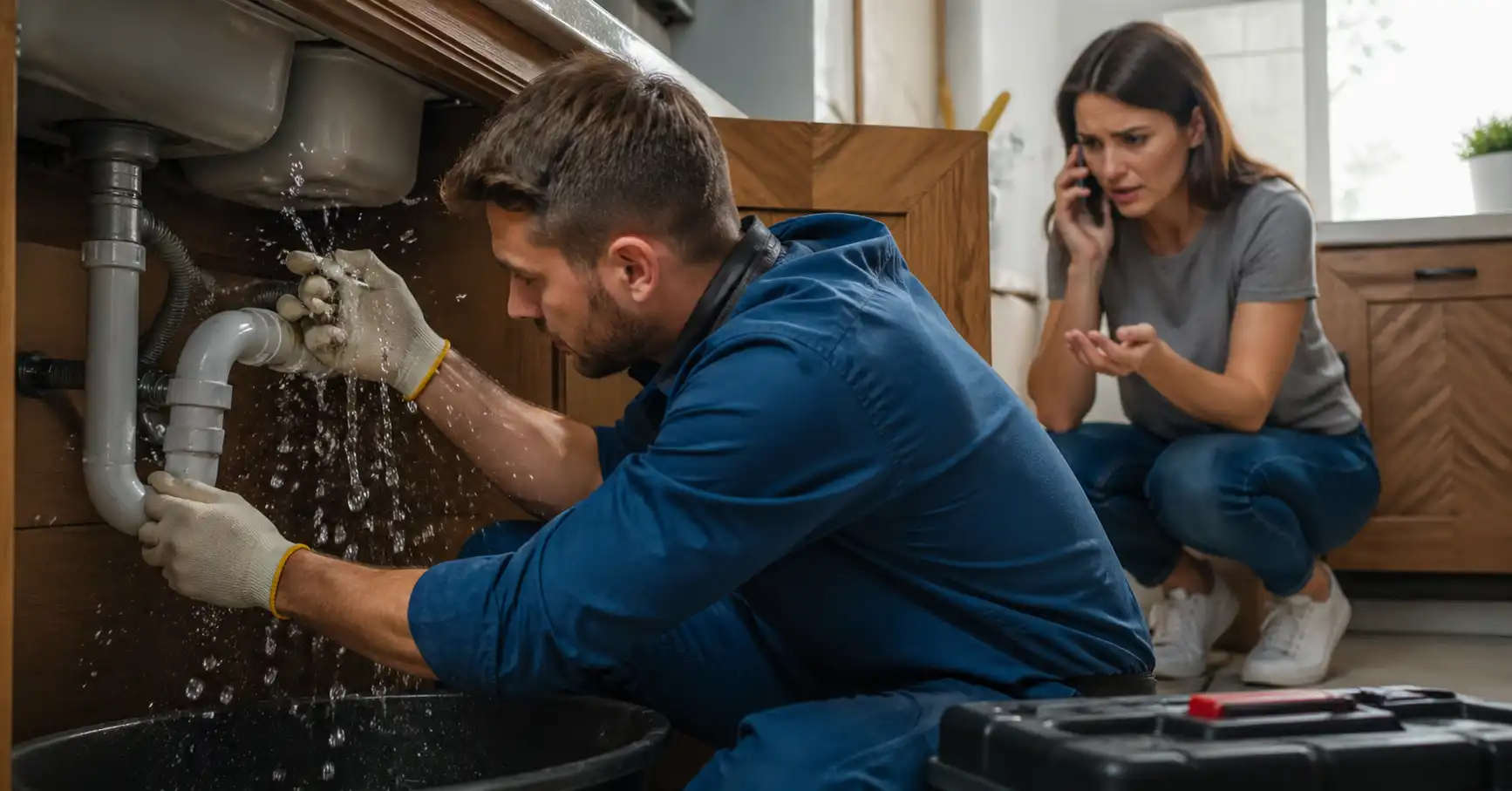
A plumber investigating hidden pipes behind a wall panel. Subtle clues like discoloured walls or moist plaster guide the search.
Even you might notice clues before calling us: a spiking water bill or hot showers lasting just a few seconds. In Perth, for example, hidden leaks waste up to 2,000–4,000 litres per month on average. If your meter’s off the charts, it’s a telltale sign a leak is feeding off your home somewhere.
Advanced Tools Every Hot Water Plumber Has
Once we’ve gathered clues, it’s gadget time. Plumbers nowadays are like tech wizards. We don’t just grab a wrench; we bust out thermal cameras, acoustic microphones, pressure gauges, and even tracer dyes. These tools let us “see” through walls and floors non-invasively.
A plumber’s toolbox: inside you’ll find thermal cameras, listening devices, gauges and more. These tools help locate leaks without tearing apart your walls.
Consider this quick comparison of methods a hot water plumber might use:
| Detection Method | How It Works | When It’s Used |
| Visual Inspection | Check accessible pipes and joints | Spot obvious drips, corrosion or rust |
| Pressure Testing | Seal off a section, pressurize with water/air | Detect hidden leaks by watching for pressure drops |
| Acoustic Listening | Use ground mics or “listening sticks” | Pinpoint leaks under concrete or behind walls by sound |
| Thermal Imaging | Infrared camera scan for temperature changes | Reveal cool spots from leaking water behind drywall |
| Tracer Gas or Dye | Inject non-toxic gas or colored dye into pipes | Find very small or deep leaks; dye flows out where leak is |
Every hot water plumber has a routine. First, I might inspect visually under sinks and around the heater for corrosion or stains. Then I’ll pressure-test the system. We cap off sections and pump it up; if the gauge slips, there’s a leak inside. Think of it as submerging your plumbing in an invisible bubble and seeing if it deflates.
For acoustic detection, we slip a sensitive microphone along the floor or outside walls. Water leaking under pressure makes tiny noises – a hissing or dripping sound that these devices amplify. It’s like eavesdropping on the pipes. We follow the sound until – voila – the leak’s hiding spot is revealed, no jackhammer needed. This is especially handy in slab-on-ground homes like many in Perth.
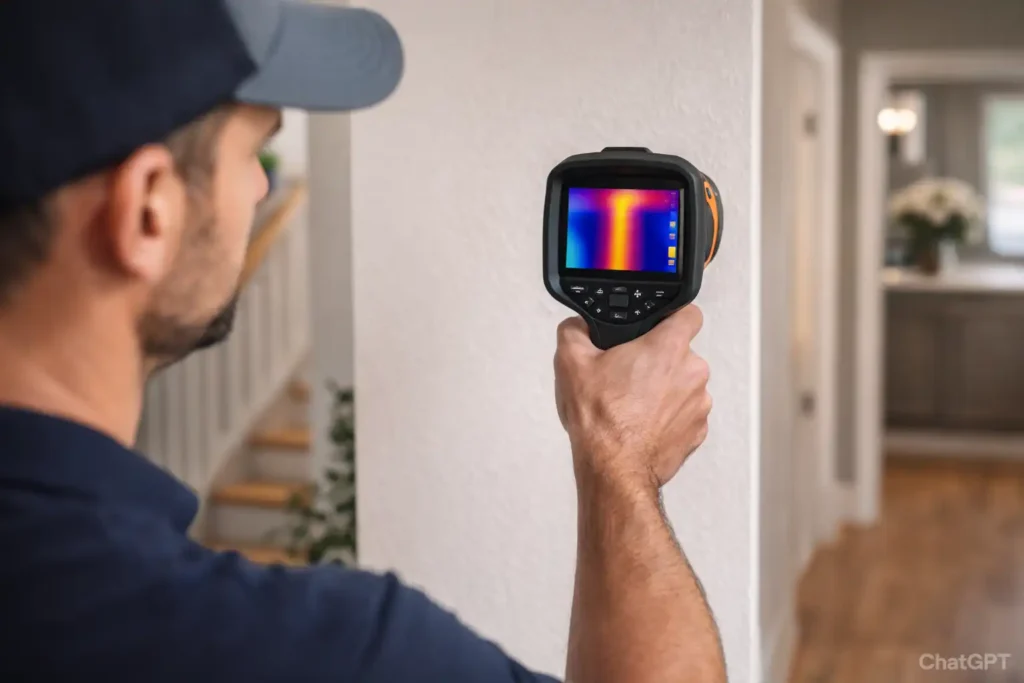
Another trick: infrared cameras. These thermal imagers show temperature differences on surfaces. A hot water leak makes the surrounding area cooler (or warmer), which the camera picks up as a false-color “smoke signal.” I once mapped a leak behind a shower wall by spotting a cold patch on the camera screen. It looks like magic, but it’s really heat science.
For really tricky cases, we might even use tracer dye. We pour colored dye into the hot water pipes or shower trap and watch where it appears. If it oozes from a wall seam or drains out of a distant drain, we know exactly where to dig. Local plumbers sometimes also insert a harmless gas mixture and use sniffers – the gas escapes through the tiniest crack and we chase it down with detectors.
By combining these methods, a hot water plumber can pinpoint leaks behind tiles, under concrete, or in hidden pipe runs without tearing down your home.
Step-by-Step Troubleshooting (Plumber Style)
Let’s break down a typical diagnosis step-by-step – kind of like CSI: Plumbing.
Confirm the Source:
First, I verify the leak’s origin. Service Today advises checking if the water is truly from the heater tank or nearby plumbing. (Sometimes a toilet or external tap masquerades as “lost” hot water.) In Australia, hot water systems must meet strict safety and energy efficiency standards. If you’d like to understand how these systems are regulated, you can review the official guidance on hot water systems from the Australian Government.
Turn off the heater and listen. If the dripping stops, it’s from that system. If not, it’s something else. Always shut off the water main if you suspect a major leak to avoid damage.
Visual and Sense Check:
I do a careful visual scan and smell test. Rust stains on the heater, wet insulation, or corroded fittings are amber lights. If the air smells musty or the drywall feels damp, I know moisture’s at play.
Isolation and Pressure Test:
Next, I isolate sections of pipework. For storage heaters, I shut valves so only the hot line is live. Then I apply pressure (usually compressed air or water). If pressure holds steady, that section is tight. If it bleeds off, I know there’s a leak there. This narrows the search to a short run of pipe.
High-Tech Scan:
Now I break out the thermal camera and acoustic gear. Sweeping the suspect walls or floor, I watch the screen – a bright cold spot or warm streak often reveals the hidden water path. Meanwhile, a stethoscope-like device listens: I slowly inch it along the concrete or drywall until I hear the loudest drip. By triangulating these signals, the leak’s spot becomes obvious.
Verification:
Sometimes, I’ll flood the area or inject a dye to confirm. For instance, I might plug a shower waste and fill the tray; if dye seeps through a crack or a mic says “here!”, that’s confirmation. Only then do I open the wall or floor at the precise spot, repair it, and patch it up.
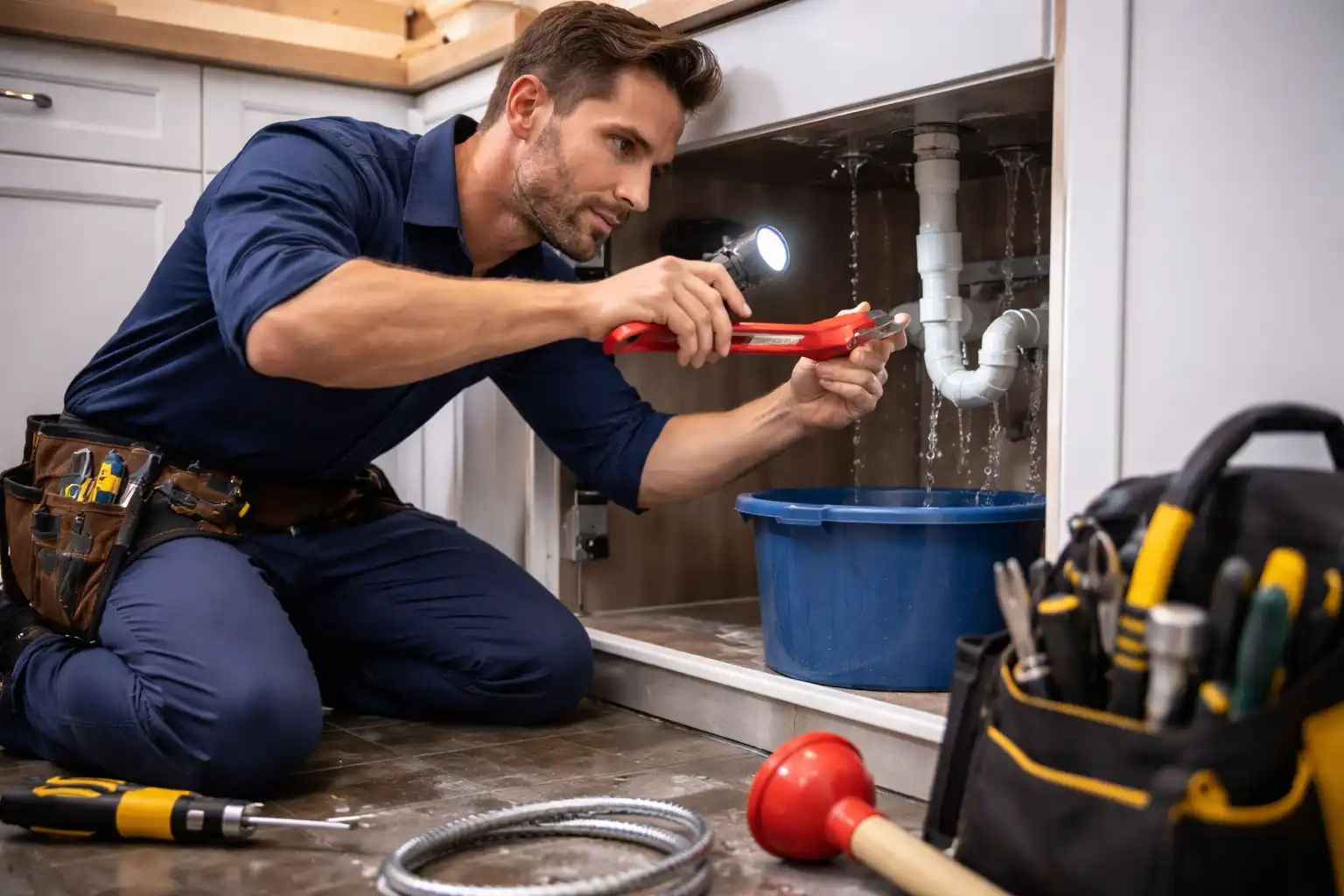
Using a pipe wrench and testing equipment on a hot water heater connection. Plumbers often isolate sections and pressurize the system to pinpoint hidden leaks.
This methodical detective work means minimal demolition. We don’t start tearing walls randomly; we let the clues guide us. In one Perth case, I followed a faint hissing under the kitchen sink and found a hidden joint leak in milliseconds. It’s not about brute force – it’s about smart locating.
Preventing Hidden Hot Water Problems
As the hot water plumber in the room, let me give you some tips to avoid these sneaky issues:
Regular inspections:
At least once a year, give your hot water system a check-up or call a plumber. Look around the base for any drips or rust. Small puddles or even wet paint mean it’s time for action.
Keep it clear:
Outdoor tank units shouldn’t be buried in mulch or debris. Keep at least 30cm clearance so moisture evaporates and pests stay out. Believe it or not, a rotting leaf pile can hide corrosion under there.
Test the TPR valve:
Every few months, gently lift the temperature-pressure relief lever on the tank. You should hear a rush of water (it flows out the overflow pipe) and it should stop when released. A stuck or leaky TPR valve means hidden pressure issues and should be fixed by a pro.
Flush the tank:
Hard water sediment settles at the bottom of electric tanks. Once a year, drain a few litres from the valve until the water runs clear. This prevents overheating of the element and helps avoid silent pressure leaks.
Watch the signs:
If you notice inconsistent water temperature (hot and cold swings) or your heater takes longer than usual to heat, it might be a faulty thermostat or element. Don’t ignore it. These aren’t invisible like leaks, but they’re another type of hidden fail that an electrician-plumber should fix.
Know your limits:
If you suspect a leak or anything electrical/gas-related, don’t play hero. Service Today stresses that once a leak is confirmed, you should call in a licensed plumber rather than go DIY. We have the training and gear to fix things safely.
Regular maintenance prevents most problems from sneaking up. A Hot Water Plumber’s final piece of advice? Treat your hot water system like your car – a little care keeps it running and your showers warm.
Conclusion: Stay Ahead of the Leak
Hidden plumbing problems can feel overwhelming, but a skilled hot water plumber has seen (and fixed) them all. By knowing the clues – from warped floors to weird sounds – and using the right tools, we can unmask leaks and other issues fast. The goal? Warm, reliable showers and zero guesswork.
So, if you ever sense something’s off with your hot water, don’t shrug it off. Consider booking a professional hot water service and repairs in Perth to get it sorted quickly and safely. We’ll come armed with thermal cams and listening sticks, turning scary “cold shower mysteries” into simple fixes. After all, catching a leak early is cheaper and less disruptive, and it saves our precious water.
Don’t wait for a cold shower to force your hand. If you suspect hidden leaks, strange noises, or inconsistent temperatures, it’s time to get it checked properly.
FAQ
How does a hot water plumber find leaks behind walls?
By using advanced tools like infrared thermal cameras and acoustic listening devices. These let them “see” temperature changes and hear water flow inside walls without breaking them open.
What are common hidden issues in hot water systems?
Typical hidden problems include pinhole leaks in pipes, corrosion in the tank, blocked relief valves, or faulty thermostats. Clues are often rust stains, noises, or inconsistent water temperature.
Can I detect hidden hot water leaks myself?
You can watch for warning signs (mold, damp patches, high bills) and do simple checks. But due to safety (gas/electric) and complexity, it’s safest to call a licensed plumber to pinpoint hidden leaks.