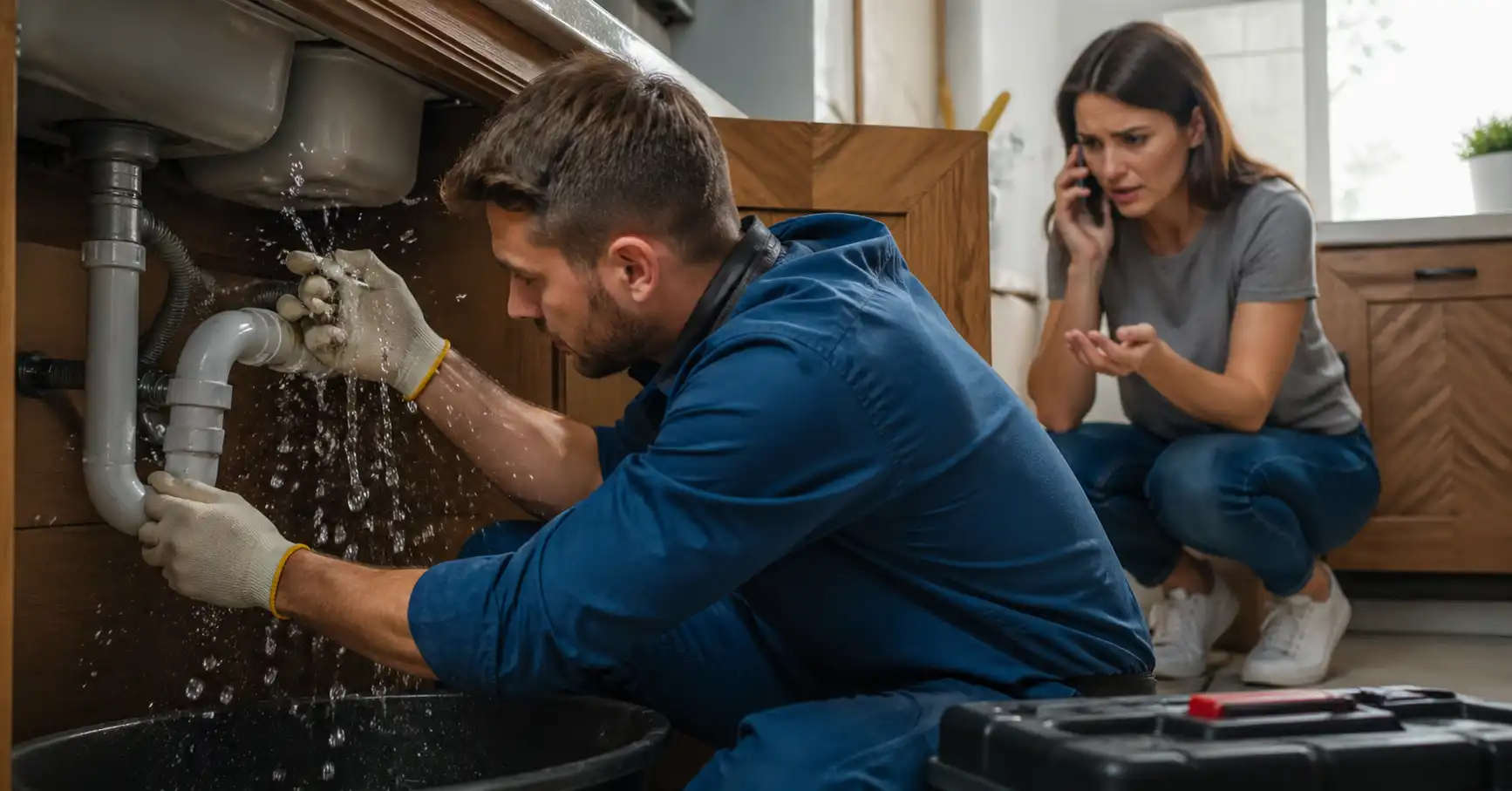
Imagine this: you’re a busy Perth professional rushing out the door when your shower suddenly has other plans – gurgling ominously or even overflowing. Great. That’s the classic saga of a blocked pipe. As someone who’s tangled with more than a few plumbing hiccups myself, I know how much of a headache this can be.
In this friendly guide, we’ll have a casual yarn about what usually clogs up your pipes, the sneaky warning signs you shouldn’t ignore, DIY tricks you can try at home, and exactly when to wave the white flag and call in the big guns – your trusted blocked pipe plumber in Perth.
No boring lectures here, just practical advice, a dash of Aussie humour, and all the detail you need to get those pipes back on track. By the end, you’ll know why the water’s bubbling up and how to stop the chaos (or at least laugh about it while you do).
Common Causes of Blocked Pipe Plumber in Perth
Think of your pipes as a highway – put the wrong traffic down there and you’re in for a jam. Here are the usual culprits around Perth:
Grease and Food Scraps:
That leftover cooking oil or bacon fat might seem harmless, but once it cools in your kitchen sink, it hardens into a gluey mess. Over time it traps food bits and slows the flow. Silver Drains warns that “food scraps, grease and oil are major culprits for blocking kitchen sinks”.
Hair and Soap Scum:
In the bathroom, strands of hair teamed up with soap suds will tangle together into stubborn clogs. Silver Drains notes that “hair and soap scum commonly clog bathroom sinks and shower drains,” forming a gunky mass that blocks water flow.
Foreign Objects:
Flushing anything other than toilet paper is a gamble. Wet wipes, cotton buds, nappies or even small toys can stop up toilets and sewer pipes. They don’t break down and just sit there like a roadblock. If you’re already dealing with a stubborn toilet blockage, it might be time to call a blocked toilet plumber in Perth before things get worse.
Tree Roots:
Perth’s gumtrees and greenery have roots that are plumbing ninjas. They’ll seek out any pipe crack for a drink, then invade and block the line. One Australian guide explains that tree roots “often invade drain pipes for moisture, causing severe damage” and major blockages. If you live near big trees, root ingress is a top suspect.
Pipe Age and Damage:
Sometimes it’s not what you put in the pipe, but the pipe itself. Old, cracked or collapsed pipes can pinch off flow. In Perth’s shifting soils or older homes, this can happen. Think of it as your underground plumbing creaking under pressure – and, eventually, pieces can break off inside.
When these issues build up over time, they often require professional inspection and clearing. This is where a Blocked Pipe Plumber becomes essential, especially if the blockage sits deep inside your drainage system or keeps coming back despite your efforts.
Each of these factors by themselves can gum up your system. Mix a few (a boogie of grease and hair, for example) and you’ve got a solid plumbing party. The upside? Knowing the enemies helps you guard against them before they strike.
Signs You Need a Blocked Pipe Plumber
So how do you know when your pipes are throwing a tantrum? Here are the dead giveaways:
Slow draining water:
Kitchen sinks or showers that empty at a glacial pace are begging for attention. It’s like a traffic jam in your pipes – the water backing up means something’s sticking its thumb out. Silver Drains lists “slow drains in sinks or bathtubs” as a common warning sign.
Unpleasant smells:
Ever noticed a sewer-like pong wafting from a sink or floor drain? Foul odours mean something rotting or trapped, like food or gunk stuck in the pipe. That stink is your pipe calling for help.
Gurgling or bubbling noises:
If you hear your toilet or sink making funny gurgles or burbles while others nearby are used, that’s air pushing back through water seals – a sure sign of a partial blockage. It’s like your pipes saying “Hey, something’s not right!”
Multiple backups:
When more than one fixture starts acting up (say the laundry and kitchen both back up at once), the problem is likely deep in the system. At that point, you’ve graduated from an annoyance to a real emergency.
Toilet or sink overflow:
This is the red alert. If your toilet starts overflowing, or sinks and showers flood out from drain jams, it’s time to take action immediately. That same Silver Drains guide points out that overflowing water from toilets or sinks indicates a severe blockage.
If you spot any of these symptoms, try the simple fixes below (they help sometimes). But don’t ignore them – blocked pipes tend to escalate quickly. And remember: if every trick in your toolkit fails, it’s the plumber’s turn.
DIY Fixes (Before Calling a Blocked Pipe Plumber)
Not every clog needs a pro right away. Sometimes you can use household moves to clear a minor jam before contacting a Blocked Pipe Plumber:
Plunger it:
A good old-fashioned plunger is a hero for sinks, toilets or tubs. Seal it over the drain and pump to force out the blockage. It’s like jump-starting your plumbing.
Drain snake or coat-hanger:
For hair clogs in a sink or shower, a drain snake (or a straightened coat-hanger with a hook) can fish out the mess. Just be gentle and don’t push anything further in.
Hot water flush:
Sometimes, especially for grease, a kettle of boiling water down the drain can soften clogs. You might follow it with a mix of baking soda and white vinegar – let it fizz a few minutes, then flush with hot water. Silver Drains actually recommends monthly flushes with boiling water, vinegar and baking soda to clear build-up.
Avoid the caustic fixes:
Stay away from chemical drain cleaners. They can corrode your pipes (and your skin!). Silver Drains flat-out says to “avoid chemical drain cleaners” because they worsen problems.
These tricks work for light blockages. In fact, Silver Drains notes that a plunger or snake “can clear minor clogs in sinks or other drains before they become severe”. But if nothing budges, or if clogs keep coming back, it’s time to call a professional Blocked Pipe Plumber to properly inspect and clear the issue.
When to Call a Blocked Pipe Plumber
Alright, your DIY moved have failed or the backup is full-blown. Now what? Here’s when you call a blocked pipe plumber and hand it over:
Persistent or severe blockages
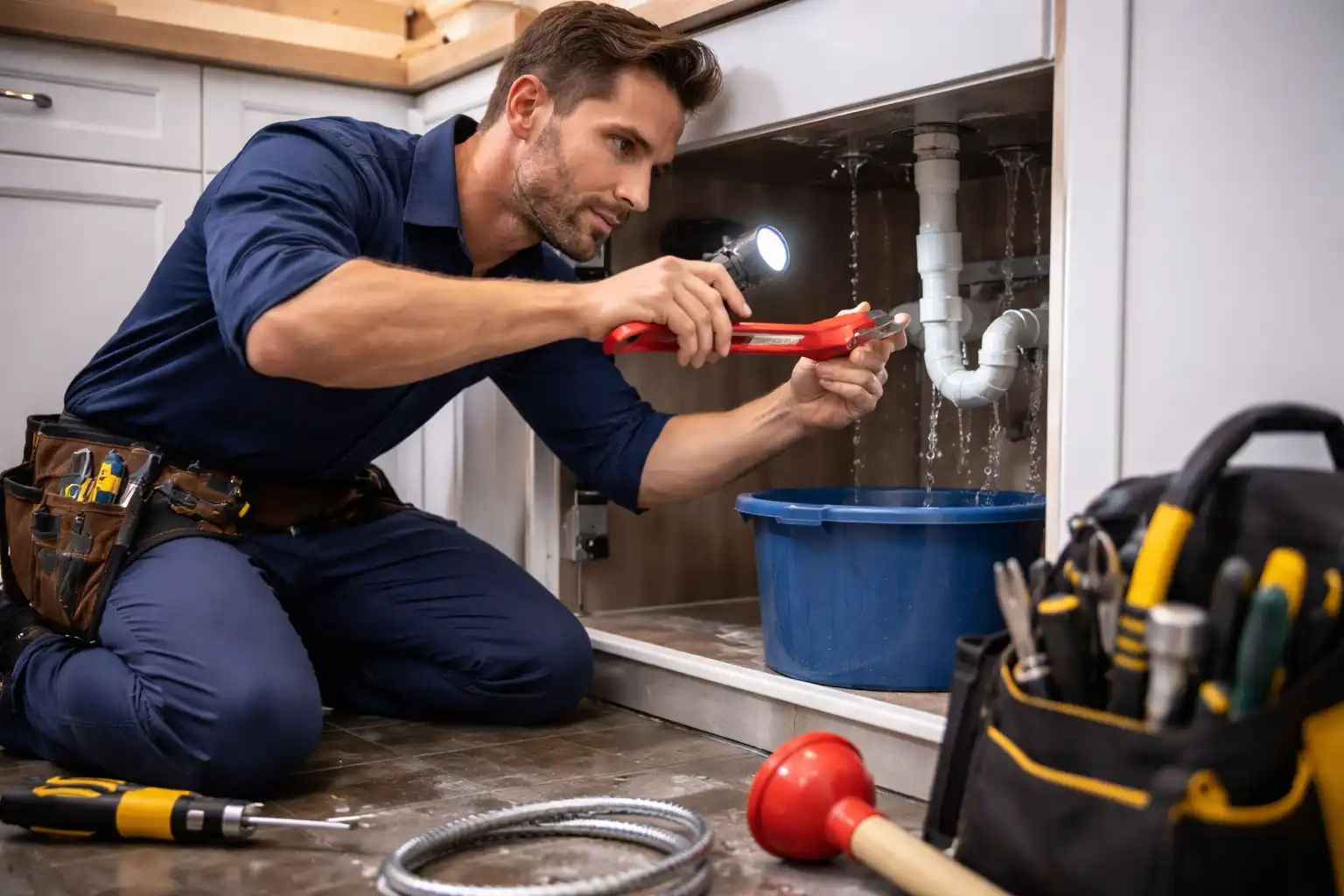
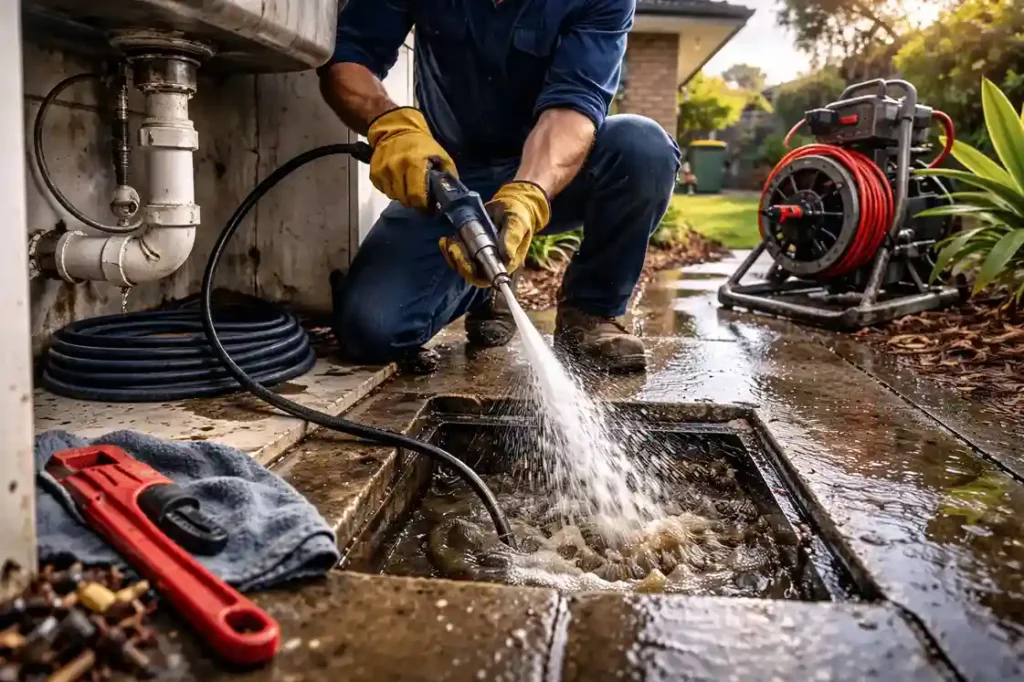
If the clog won’t clear after plunging or snaking, a plumber has specialized tools (like high-pressure water jets and CCTV cameras) to find and blast the problem. Think of it like calling in plumbing CSI.
Multiple fixtures affected
As mentioned, if more than one tap/toilet/fixture is acting weird, call a plumber. That usually means the clog is downstream of the house, maybe in the main line. A plumber can scope it out and decide the fix.
Structural issues
Notice any sinkholes or sudden wet patches in the yard? That could mean a burst or collapsed pipe. Those are too big to DIY; you’ll want a plumber (and possibly heavy equipment).
Health or safety concerns
Raw sewage smell, black water backing up, or overflowing manholes are nasty and unsanitary. Don’t sit on it – call a plumber pronto.
If the blockage is within your property boundary, you’re responsible for arranging repairs. According to the Western Australian Government’s, homeowners must contact a licensed plumber for internal sewer issues, while the Water Corporation handles problems in the main sewer outside your boundary.
In fact, even the Water Corporation of WA confirms that if you have a sewer blockage on your property, it’s your responsibility. They advise that any internal blockage “you’ll need to call your plumber”. (The Water Corporation only fixes blocks on the main sewer outside your boundary.) So at the first hint of a serious clog, pick up the phone. The right blocked pipe plumber can get your drains clear, fix any damage, and even suggest preventative fixes.
Tips to Prevent Blockages (from a Perth Plumber)
An ounce of prevention is worth a gallon of cure – especially when that cure involves a soggy morning with a blocked sink. Here are some habits to keep your Perth pipes trouble-free:
Use drain strainers:
Fit inexpensive mesh strainers in your sinks, tubs and showers. They catch hair, food scraps and other debris so it never goes down your pipes in the first place.
Hot-water maintenance:
After dishes or baths, run very hot water down the drain for 30 seconds. It helps wash away grease and soap film that loves to stick to pipe walls. Some folks even pour a pot of boiling water mixed with baking soda and vinegar down drains monthly to keep them fresh.
Mind what you flush:
Treat your toilet like a goldfish bowl, not a bin. Only pee, poo and clean toilet paper get flushed. Bin everything else – wipes, sanitary products, tissues, paper towels, coffee grounds, etc. They’re recipe for disaster in the sewer.
Dispose of grease properly:
Never pour cooking oil or fat down the sink. Instead, pour it into a jar or can, let it solidify and toss it in the bin. This one habit can prevent countless kitchen clogs. As Silver Drains advises, disposing grease in a container avoids “blocked pipes” in your drains.
Keep trees in check:
If you have large eucalyptus or willow trees near your sewer line, think twice. Either keep them far from your drains or consider root barriers. In Perth’s dry seasons, tree roots go exploring; give them some distance or a plumber’s root-treatment to avoid surprises.
Regular check-ups:
For older homes, it’s not a bad idea to have a plumber do an inspection (a quick CCTV camera check) every couple of years. Catching a hairline crack or slight misalignment early can save you a world of trouble later. A professional Blocked Pipe Plumber can identify early warning signs before they turn into costly repairs.
By staying on top of these little chores, you can dodge most clogs. One plumbing guide even emphasizes the power of “simple, consistent habits” – like not pouring grease down the sink and catching debris with strainers. Put these habits in place, and your pipes will thank you.
Conclusion
Dealing with a blocked pipe might not be the most glamorous topic, but it’s one you’ll be thankful for knowing about when the time comes. In Perth, where both drought and storms can stress our plumbing, it pays to be vigilant. Remember: common causes are things like grease, hair, wipes and root invasions. Warning signs are slow draining, smells or gurgles, or any actual overflow. Try a plunger or hot-water trick on a minor clog, but don’t hesitate to call in a blocked pipe plumber if things don’t budge.
By staying mindful (dump grease in the bin, use strainers, flush only the right stuff) and acting fast, you can keep your home’s plumbing running smoothly – and avoid the stress of a full-blown pipe drama. If all else fails, your Perth plumber is just a call away, ready to tackle even the nastiest blockages.
Dealing with a blocked drain right now? If the water is backing up or your sink won’t clear, don’t wait for the damage to get worse. Our licensed Perth plumbers are ready to respond quickly and fix the issue properly. Book your emergency plumbing service in Perth today and get your pipes flowing again without the stress.
FAQs
What causes a blocked pipe?
Blokes and sheilas usually find it's kitchen grease, hair and soap in drains, or things flushed like wipes and sanitary products. Tree roots and damaged pipes are bigger culprits too.
What are the common signs of a blocked drain?
Look for slow drainage, gurgling sounds, or nasty smells from sinks or toilets. If water is pooling around drains or flooding out of toilets, the blockage is serious.
Can I fix a blocked drain myself?
For minor clogs, you sure can. A plunger, drain snake or hot water/vinegar flush often does the trick. But avoid caustic chemicals – they can hurt your pipes. Persistent clogs usually need a plumber’s tools.
When should I call a blocked pipe plumber?
If multiple fixtures back up, or nothing you try clears it, call a professional. Also call if you smell sewage, notice sinkholes or yard seepage, or if a toilet keeps overflowing no matter what.
How can I prevent blocked pipes?
Simple habits help: use sink strainers, never pour fat or oil down drains (toss them), flush only toilet paper, and run hot water down drains regularly. Scheduling a plumber check-up every couple of years can catch issues early.