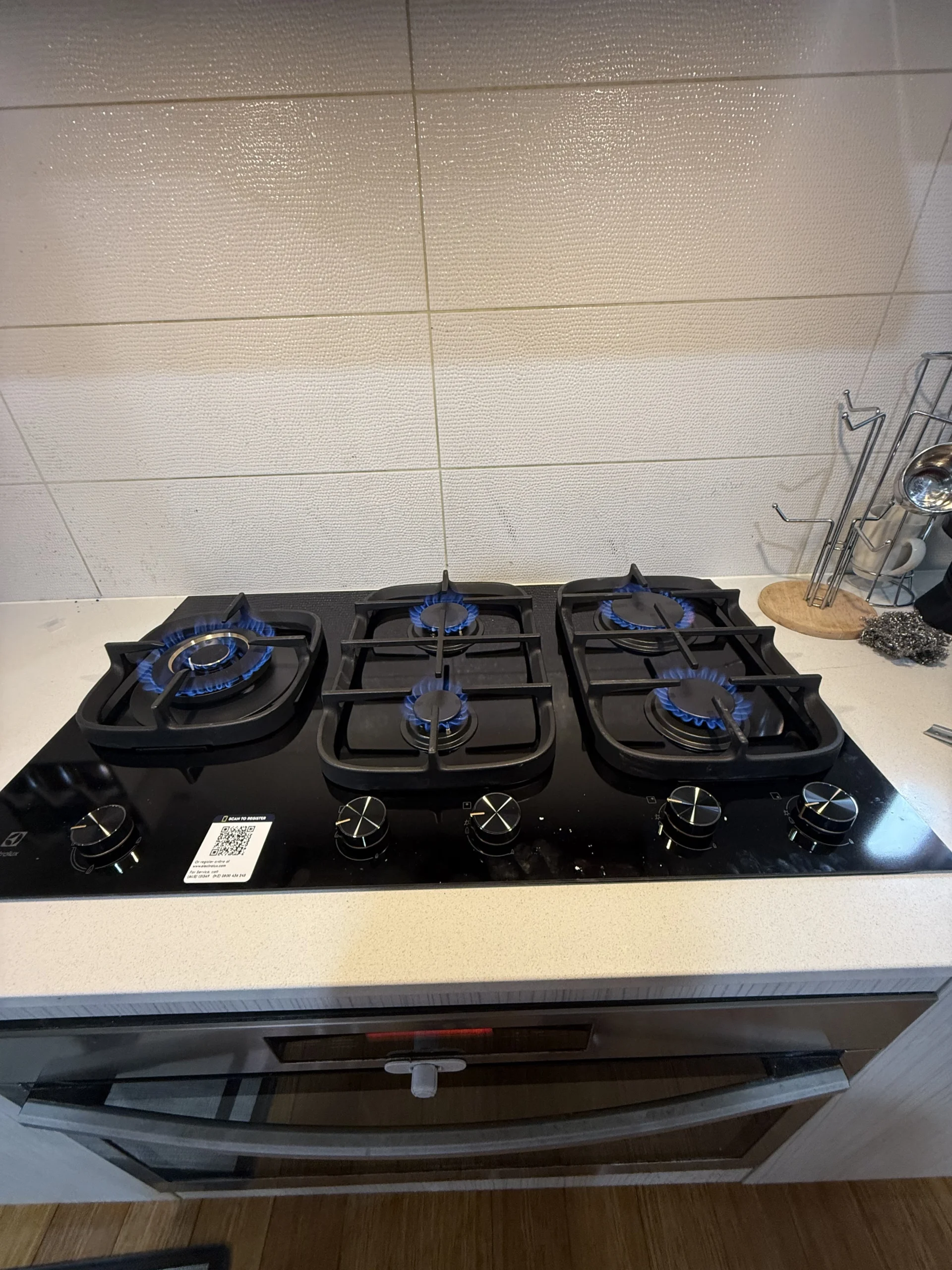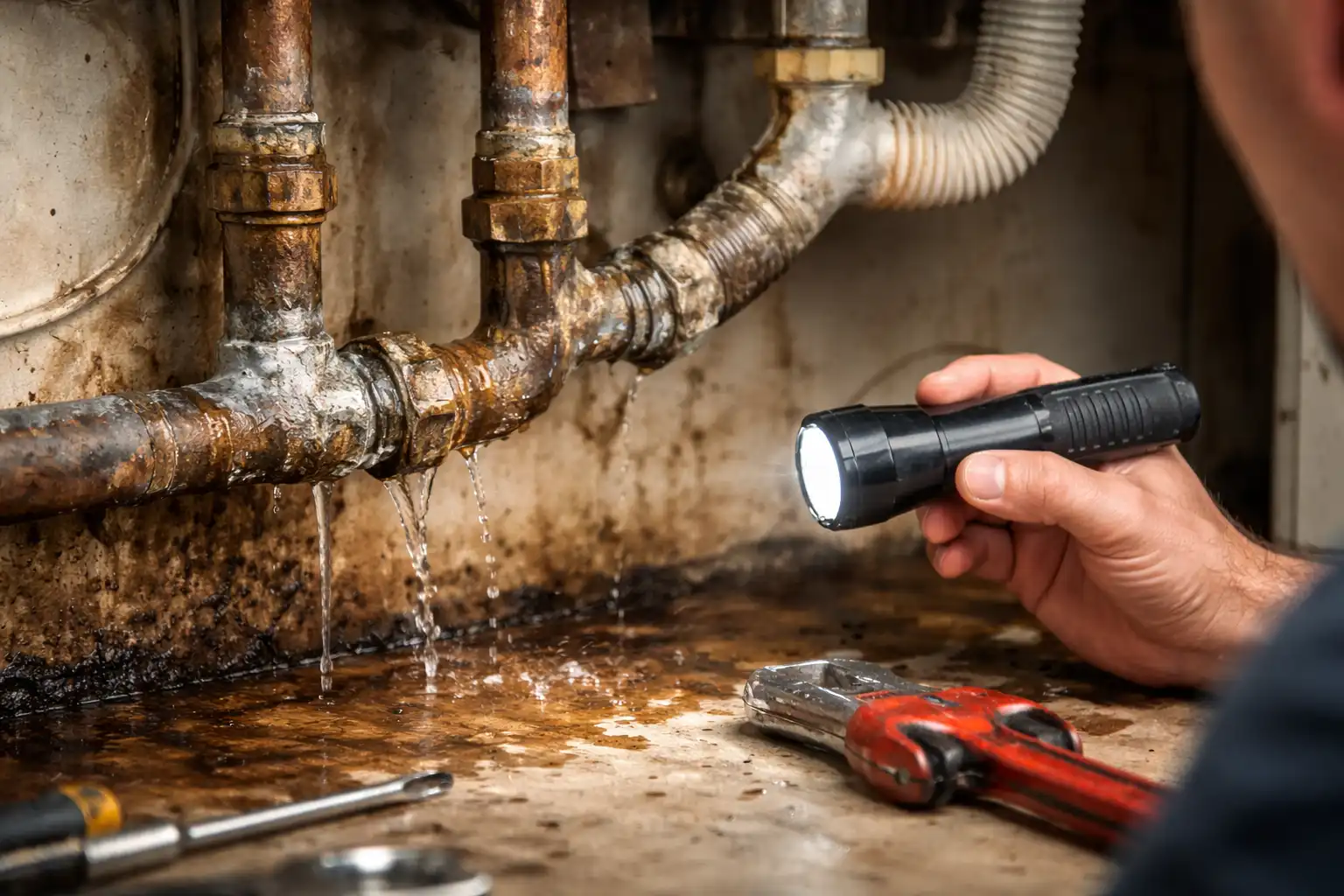
Gas Leak Detection is one of the most important safety measures for Perth homeowners, helping identify hidden gas leaks before they become dangerous. Even a small leak can increase the risk of fire, health issues, and rising energy bills, making regular inspections essential for every household.
Gas appliances are generally safe when maintained properly, but unnoticed leaks can quickly turn into serious hazards. Regular maintenance and timely Gas Leak Detection services help detect issues early, improve indoor air safety, and prevent costly damage or emergency repairs in the future.
For example, one homeowner saw his gas bill mysteriously spike – it was a slow leak quietly wasting fuel. Another family only found a hidden leak during a routine check, just before anyone got sick. The bottom line: catching leaks early is crucial – for health, for fire safety and for your wallet. So, what exactly does regular Gas Leak Detection do for you? Let’s break down the safety benefits.
Why Gas Leaks Are No Joke
Leaks often start small and silent. Since natural gas is odorless, suppliers add that rotten-egg scent so you know something’s wrong. But sometimes it’s subtle. Here’s why even a pinhole leak demands attention:
Explosion and fire: Gas is highly flammable. In the right concentration, a stray spark (even flipping a switch) can ignite it. The result can be a serious blast or fire, risking lives and wrecking property. A hidden leak is essentially a loaded fuse.
Carbon monoxide (CO) hazard: Faulty gas heaters or blocked flues can produce CO – a deadly, odorless gas. Symptoms like headaches or nausea may be your only clue. Regular checks let professionals spot cracked heat exchangers or venting issues before CO becomes a danger.
Health and waste: Escaping gas displaces breathable air, causing dizziness or fatigue. Plus every leak wastes fuel (hiking your bill) and dumps methane, a potent greenhouse gas. Fixing it cuts both fire risk and carbon footprint.
In short, leaks are no joke. Regular Gas Leak Detection (inspections and testing) means you catch problems way before they escalate. For all these reasons, gas safety should never be left to chance.
How Gas Leak Detection Works
For a proper check, licensed pros bring both old-school tricks and high-tech gear. They sniff out trouble in every corner of your system. For instance:
A licensed gas fitter scans the pipes and appliances with a sensitive detector. These gadgets can sense methane at trace levels – far beyond what you or I could smell or hear.
Electronic detectors: Handheld units plug in or sample the air to find natural gas or LPG. They beep or display numbers when gas is present, catching even tiny leaks our noses would miss.
Tracer gas method: For hidden or underground lines, technicians sometimes pump a safe hydrogen-nitrogen mix into the pipes. The tiniest cracks let the tracer escape, and sensors above ground follow it back to the leak – mapping the problem without tearing up floors.
Acoustic devices: When gas leaks under pressure, it can hiss. Ultrasonic “listening” tools filter out ambient noise to locate that hiss precisely, even through walls or soil.
Pressure testing: After any fix, the fitter will pressurize your gas lines and watch for any drop. In WA the rule is strict: no leak is allowed – every installation must be completely gas-tight.
Carbon monoxide detectors are great for their job, but remember they only sense CO, not natural gas or LPG. If you use gas, a dedicated gas alarm (or better, a professional check) is what you need to catch a methane leak.
Safety Benefits of Regular Gas Leak Detection
Bringing in professionals for scheduled gas inspection pays off in spades. It’s preventative care for your gas system. Here are the big wins:
Catch leaks early: As one expert notes, thorough Gas Leak Detection inspections will “detect hidden gas leaks before they become a danger”, nipping problems in the bud.
Maintain safe appliances: The check covers burners, valves and vents. Cleaning out clogged jets or tightening loose fittings means appliances burn fuel cleanly and safely, preventing unexpected CO or flameouts.
Compliance and insurance: Getting a pro for Gas Leak Detection means you meet WA’s strict regulations. Licensed fitters do the mandatory tests and give you a Gas Compliance Certificate. Without it, an insurer can refuse a claim if something goes wrong – with it, your coverage stays intact.
Save money: Every drop of gas you don’t waste is cash in your pocket. Scheduled Gas Leak Detection catches tiny leaks quietly inflating your bills. It’s far cheaper to repair a minor leak now than deal with an emergency fix (or worse) later.
Peace of mind: Knowing a pro has certified your home as leak-free is priceless. When Gas Leak Detection is on your maintenance list, you can sleep easy, trusting there are no hidden hazards.
Remember, a full gas safety inspection is quick and typically affordable. The fitter checks everything, does leak tests, services burners, clears vents, and then hands you a certificate or report. In exchange, you get assurance that your system is in tip-top shape.
Local Rules & Quick Tips (WA/Perth)
In Western Australia, gas safety regulations are extremely strict because even minor leaks can become serious hazards. According to the WA Gas Safety Rules, there is “no allowable leakage rate,” meaning every gas installation must be completely gas-tight for safe operation.
By law only licensed gas fitters can legally work on or inspect your gas lines. That’s why you should call the Gas Leak Detection pros (licensed plumbers) for any service. They’ll perform the required pressure tests and ensure every installation meets the Australian Standard, keeping your home safe and compliant.
If you ever do smell gas: turn off the main at the meter, open windows, and get out. Then call the emergency line (in WA dial 1800 GAS LEAK or 000). Do not light any flames or flip switches. Safety first until help arrives.
For routine care, schedule a gas inspection every couple of years. A quick Gas Leak Detection check today beats a crisis tomorrow. Don’t wait for trouble – regular checkups keep your home safe and sound.
Conclusion:
Regular Gas Leak Detection might not be glamorous, but it’s critical. These checks keep you one step ahead of disasters, saving lives and money. The process is simple: a local Perth gas expert checks your system, issues a clearance, and you carry on with confidence.
So next time you schedule home maintenance, put Gas Leak Detection on your list. Share these tips with friends – nothing says “I care” like a reminder to stay safe.
Frequently Asked Questions
Q: How often should I schedule Gas Leak Detection for my home?
A: In WA there’s no legal interval, but most experts recommend about every 1–2 years (annually if your appliances are very old). If you notice a sudden bill spike or suspect a problem, get checked immediately.
Q: What happens during a gas leak inspection?
A: A licensed fitter inspects all gas lines, appliances and vents. This comprehensive Gas Leak Detection process covers everything from leak tests to cleaning burners and checking ventilation, then they issue a compliance certificate. It’s a thorough once-over to keep your system safe.
Q: Why not just use a DIY gas detector?
A: You can buy home gas detectors to alert you to a leak, but any actual gas line repair or thorough detection work must be done by a licensed professional. Pros have the calibrated tools and training to find leaks safely. DIY gas work is illegal and extremely dangerous.
Q: Does a carbon monoxide alarm catch a natural gas leak?
A: No. CO alarms only sense carbon monoxide, not methane/LPG. That’s why you either install a dedicated gas alarm or, better, schedule professional Gas Leak Detection checks – they find the leaks that CO alarms miss.
Q: Is Gas Leak Detection covered by home insurance?
A: If done properly, yes. Insurers often require proof of safe gas work (the compliance certificate). Regular professional Gas Leak Detection helps ensure you have that paperwork if you ever need a claim.