A burst pipe, overflowing toilet or sudden water leak can cause serious damage within minutes. If you’re waiting for an emergency plumber Perth, turn off your main water supply, keep clear of electrical hazards, contain escaping water and protect your belongings. Taking these immediate steps can reduce damage before professional help arrives.
Knowing what to do during a plumbing emergency can make a difficult situation easier to manage. Whether you’re dealing with blocked drains, leaking pipes or a faulty hot water system, staying calm and following safe procedures helps protect your property.
What Should I Do While Waiting for an Emergency Plumber in Perth?
When a plumbing emergency happens, your first priority should be preventing further damage without putting yourself at risk.
Before your emergency plumber Perth arrives, follow these seven practical steps:
- Turn off the main water supply to stop uncontrolled water flow.
- Check for electrical hazards and avoid affected areas.
- Contain leaking water using buckets, towels or containers.
- Stop using affected plumbing fixtures, including taps and toilets.
- Move valuable belongings away from wet areas.
- Document visible damage with photographs when safe.
- Keep the affected area accessible for your plumber.
These actions can help limit water damage while allowing your plumber to identify and repair the problem safely.
Step 1: Turn Off Your Main Water Supply Immediately
Shutting off your water supply is usually the first action when dealing with a burst pipe or major plumbing leak.
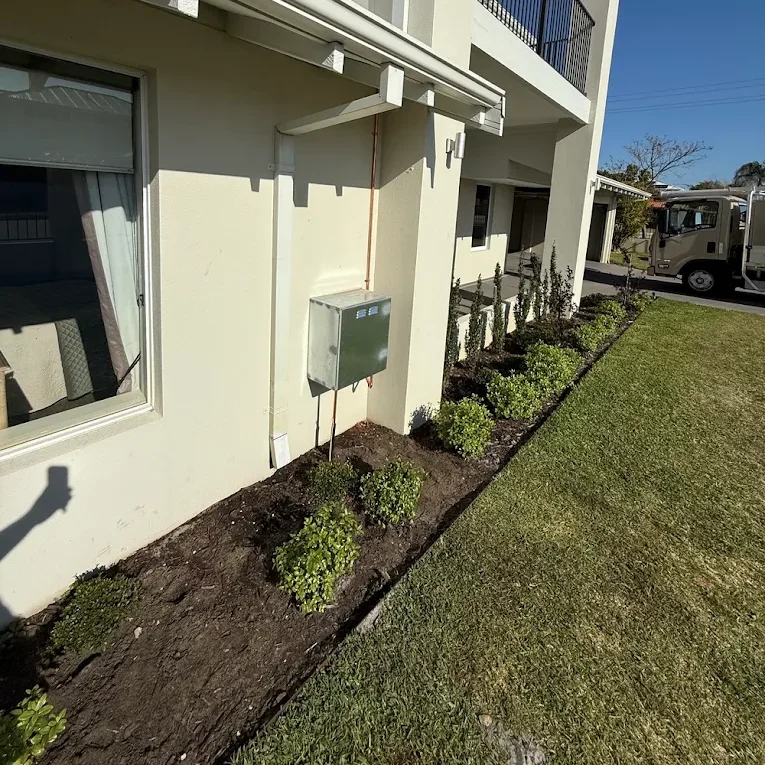
Most Perth properties have a main shut-off valve near the water meter, often positioned towards the front boundary.
Turn the valve clockwise if it’s a traditional tap-style valve. Quarter-turn valves generally close when the handle sits across the pipe.
Water Corporation provides official instructions on how to turn off your water main.
If the valve is damaged, difficult to operate or surrounded by electrical hazards, don’t force it. Explain the situation to your emergency plumber Perth provider.
Step 2: Identify Electrical Hazards Before Entering Wet Areas
Water near electrical outlets, appliances or switchboards creates a serious safety risk.
If water reaches electrical equipment, keep away from the affected area. Never touch wet switches, power points or appliances.
Western Australia’s electrical safety guidance explains the dangers associated with electricity and water.
Only isolate electricity when you can safely access a dry, unaffected switchboard. Otherwise, contact a licensed electrician or the electricity network operator.
An emergency plumber Perth can address the plumbing problem, but electrical faults require appropriately qualified electrical professionals.
Step 3: Contain Water Leaks and Protect Your Property
Once you’ve isolated the water supply, focus on limiting further property damage.
Place buckets beneath dripping pipes and use towels to absorb water from accessible surfaces.
Move furniture, rugs and electronic devices away from the affected area, provided doing so is safe.
Avoid removing wall panels, cutting pipes or attempting complicated repairs.
If your emergency plumber Perth appointment is approaching, keep the affected area clear so the plumber can inspect the leak without unnecessary obstacles.
Step 4: Stop Using Blocked Drains and Overflowing Toilets
Blocked drains can quickly become a sanitation problem, particularly when wastewater backs up through toilets, showers or floor wastes.
Avoid flushing affected toilets or running taps connected to the blocked drainage system.
Don’t pour chemical drain cleaners into the blockage. These products can cause injuries and create additional hazards during plumbing repairs.
If wastewater has entered your bathroom or laundry, keep children and pets away from contaminated surfaces.
An emergency plumber Perth can assess the drainage system and determine whether specialised drain-clearing equipment is needed.
Step 5: Handle Hot Water System Emergencies Safely
A leaking hot water system may release extremely hot water, creating a risk of burns.
Keep clear of escaping water, steam and damaged components.
If you can safely identify and access the cold-water isolation valve supplying the unit, turn it off. Avoid handling unfamiliar electrical or gas controls.
Never interfere with pressure relief valves or attempt repairs to gas connections.
When arranging an emergency plumber Perth service, explain whether the issue involves leaking water, unusual noises or a complete loss of hot water.
These details help the plumber understand the situation before arriving.
Step 6: Document Damage and Prepare for Your Plumber
While waiting for plumbing assistance, take photographs of visible leaks, affected surfaces and damaged belongings.
Record when the problem started and whether it appeared suddenly or developed gradually.
This information may help with insurance enquiries and identifying recurring plumbing problems.
You should also prepare a short description for your emergency plumber Perth visit, including:
- Where the leak or blockage started.
- Whether the main water supply is turned off.
- Which plumbing fixtures are affected.
- Whether wastewater or electrical hazards are present.
- Any previous repairs involving the same problem.
Clear information helps your plumber assess the situation efficiently.
Step 7: Know When to Contact Water Corporation
Not every plumbing emergency originates inside your property.
A burst water main, damaged meter or wastewater overflow involving public infrastructure may require assistance from Water Corporation.
For urgent water supply faults in Western Australia, contact Water Corporation on 13 13 75.
The Western Australian Government’s water emergency guidance explains when these issues should be reported.
If you’re uncertain whether the fault belongs to your property or the public network, explain the situation when reporting it.
Your emergency plumber Perth provider can assess private plumbing faults and advise on the appropriate next steps.
Common Plumbing Emergencies in Perth Homes
Perth properties can experience plumbing problems involving ageing pipes, deteriorating fittings, blocked drains and hot water system failures.
Some older homes may have pipework that has become more vulnerable to corrosion or general wear.
Other properties experience drainage problems caused by tree roots, accumulated debris or damaged underground pipes.
An emergency plumber Perth can investigate the cause rather than simply addressing visible symptoms.
How Can You Prevent Another Plumbing Emergency?
Regular maintenance helps identify problems before they become urgent.
Inspect visible pipework for corrosion, dripping connections and unexplained moisture.
Avoid flushing wipes, cooking fats or unsuitable materials into your drainage system.
Arrange professional inspections when you notice recurring blockages, unexplained water usage or persistent leaks.
Although maintenance cannot prevent every unexpected failure, identifying problems early can reduce the likelihood of major damage.
When to Call a Professional
Some minor plumbing issues can be managed temporarily by isolating the water supply. However, burst pipes, sewage backups, serious leaks and damaged hot water systems require professional attention.
Western Australian regulations require most water supply, sanitary and drainage plumbing work to be undertaken by appropriately licensed people. You can check licensing requirements through the WA Government’s plumbing licensing information.
If you need an emergency plumber Perth, Advantage Plumbing & Gas can be contacted to discuss your plumbing issue and arrange suitable assistance.
Explain the symptoms, affected areas and any immediate safety concerns when making your enquiry.
Conclusion
Knowing what to do while waiting for an emergency plumber Perth can help you protect your property and avoid unnecessary risks.
Start by isolating the water supply, staying clear of electrical hazards and containing leaks wherever safe. Avoid attempting repairs that require specialist tools or plumbing qualifications.
For plumbing emergencies in Perth, contact Advantage Plumbing & Gas to discuss the problem and the next steps towards a professional repair.
Frequently Asked Questions
1. What should I do first during a plumbing emergency?
If safe, shut off the main water supply to stop further flooding. Keep away from electrical hazards and contact an emergency plumber Perth service for professional assistance.
2. Can I use my toilet while waiting for an emergency plumber?
Avoid using toilets connected to blocked or overflowing drains. Continued flushing may cause wastewater to back up and spread through your property.
3. Should I turn off my hot water system during a leak?
Isolate the water supply to the unit if you can safely access its valve. Avoid touching damaged electrical or gas components, and ask a qualified professional for guidance.
4. How do I know if a plumbing leak is an emergency?
Uncontrolled flooding, burst pipes, sewage overflows and leaks threatening electrical equipment require urgent attention. Contact an emergency plumber Perth provider when the problem cannot be safely contained.
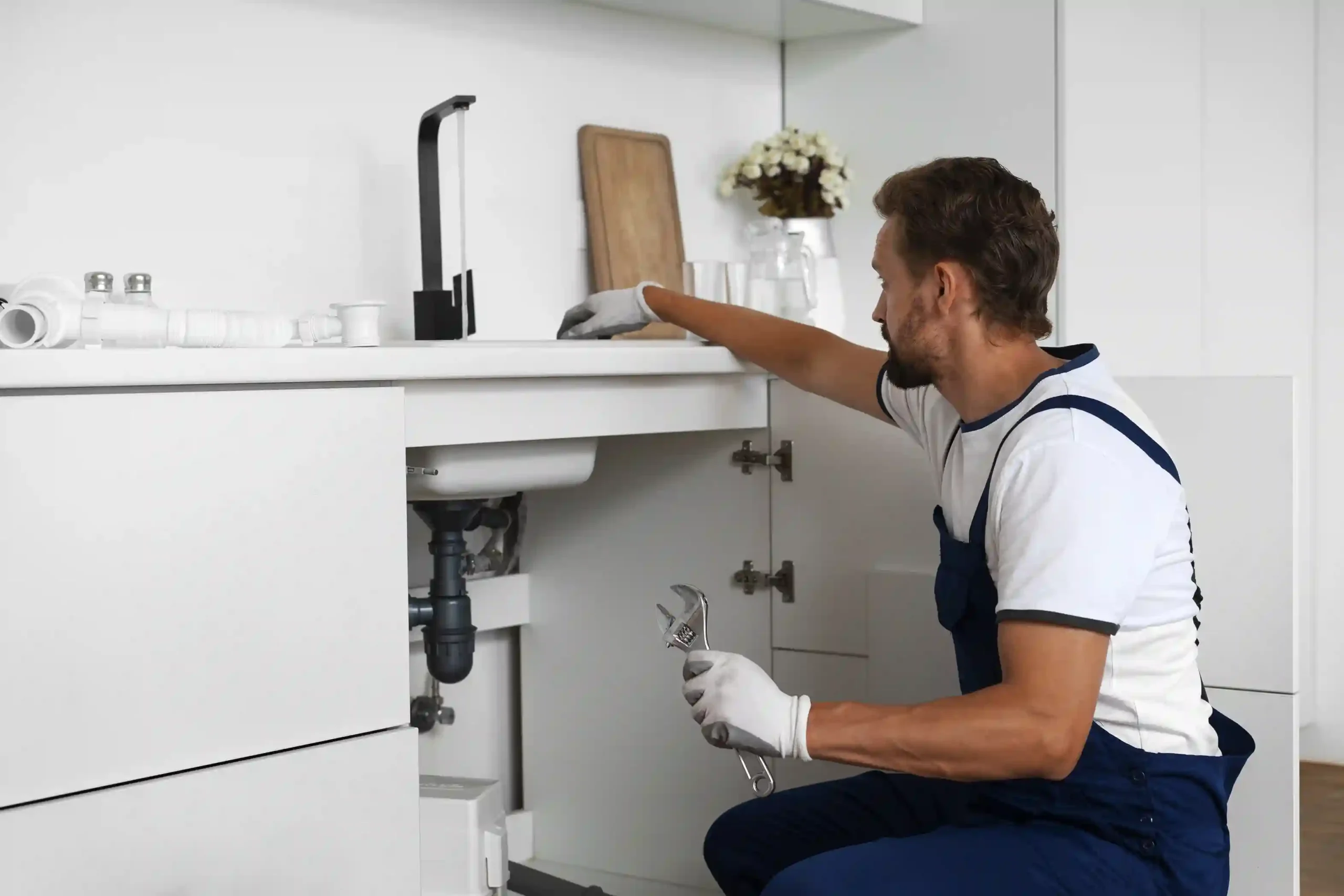
Suggested Image Alt Text: Emergency plumber Perth helping homeowners manage a burst water pipe and prevent water damage.