A wet patch near the laundry, water dripping through a ceiling or a tap that suddenly loses pressure can be easy to dismiss at first. You might assume someone has spilt water or an appliance has leaked. But when the problem comes from a burst pipe, leaving it alone can turn a small plumbing fault into a costly repair.
In Perth homes, pipes run behind plasterboard, beneath concrete slabs and through outdoor areas where a leak can go unnoticed for some time. Water does not always appear directly below the damaged section, either. It can travel along a pipe or building surface before finding a way out.
The useful thing is to recognise the clues early. Knowing where to look, what to do when water starts escaping and when to call a plumber can help limit damage. Here is how to approach the problem without making an already difficult situation worse.
What Can Cause a Burst Pipe in Perth?
A pipe rarely fails without a reason, although the cause may not be obvious when the leak first appears. Sometimes a fitting gives way suddenly. In other cases, a small weakness develops over months or years before the pipe finally splits.
The age and condition of the plumbing are worth considering. Older metal pipes may corrode, while some plastic pipes can become brittle or develop faults. Joints may also deteriorate, particularly if they were installed incorrectly or have been exposed to repeated movement.
Water pressure is another factor. When pressure exceeds what the plumbing system is designed to handle, weaker sections and connections can come under additional stress. Pressure problems may affect more than one fitting, so replacing the visibly damaged section without investigating the cause might not be enough.
Ground conditions can make a difference, too. A buried water line may be affected by soil movement, nearby excavation or pressure from surrounding surfaces. Accidental drilling during renovations is another possible cause of concealed pipe damage.
For Perth property owners, the type of pipe installed can be particularly relevant in older homes. Certain polybutylene plumbing products have been associated with failures in Western Australia. However, not every older pipe has the same problem, and the material should be identified before deciding what work is necessary.
What Are the Warning Signs of a Burst Pipe?
A major break usually makes itself known through escaping water. Hidden leaks are more difficult because the first sign might be a stain, an unusual smell or a change in the water supply rather than a visible stream.
Damp walls, ceilings or flooring
Look for paint that starts bubbling, plaster that changes colour, swollen skirting boards or carpet that remains wet without an obvious explanation. These signs can develop gradually when water escapes inside a wall or beneath a floor.
The location may offer a clue. For example, a damp patch beside a bathroom could be related to the water supply or drainage, while moisture near a kitchen cupboard might come from a pipe connection or appliance. Neither location proves the source, so further inspection is needed.
A sudden drop in water pressure
If the shower becomes weaker or several taps deliver less water than usual, the supply pipe may be leaking before the water reaches those fixtures. A problem affecting one tap alone is more likely to involve that fixture, although this is not a definite rule.
Check whether the change is limited to one part of the property. If the whole house is affected, the issue could involve the main supply, a significant leak or a wider water service problem.
A water bill that seems unusually high
A leaking pipe can waste water even when nobody is using a tap. You may also hear a faint hissing or running sound after appliances and taps have been switched off.
If you suspect a leak, stop using water and check the meter if it is safe and accessible. Continued movement may indicate water is being used somewhere on the property. Allow for connected equipment and other possible causes before concluding that a pipe has failed.
Wet ground or unexplained puddles
An underground leak may leave a section of garden constantly damp, create a puddle near a driveway or cause the soil to sink. A patch of grass growing more vigorously than the surrounding lawn can also be worth investigating.
Avoid digging blindly to find the damaged section. Underground services may be nearby, and locating the leak first can prevent unnecessary excavation.
What Should You Do When a Burst Pipe Is Discovered?
When water is escaping quickly, there is little benefit in spending time trying to identify the exact fault before taking basic safety measures. The immediate aim is to stop more water entering the property.
The first actions to take
- Shut off the water: Turn off the main isolation valve if you can reach it safely. If the valve is stuck or inaccessible, contact a plumber.
- Stay away from electrical hazards: Never touch wet power points, appliances or electrical fittings. If flooding has reached electrical areas, keep clear and seek qualified assistance.
- Move belongings out of harm’s way: Relocate furniture, electronics and other valuables only if the area is safe to enter.
- Record the damage: Take a few photographs for your records or insurer, but do not delay urgent repairs to document everything.
- Arrange a plumbing assessment: Tell the plumber where the water is appearing, whether the supply has been isolated and whether the pipe is visible.
Do not try to patch a pressurised pipe while water is still flowing through it. Tape or sealant may appear to slow the leak, but it should not be treated as a reliable permanent repair.
If the water is close to electrical equipment, personal safety comes before protecting possessions. Keep other occupants away from the affected area until it has been assessed.
How Is a Burst Pipe Repaired?
The repair depends on what has failed. A cracked section of accessible pipe is a different job from a leak beneath a concrete slab or inside a finished wall. The plumber needs to establish the source and condition of the surrounding pipework before choosing a method.
Finding the source of the leak
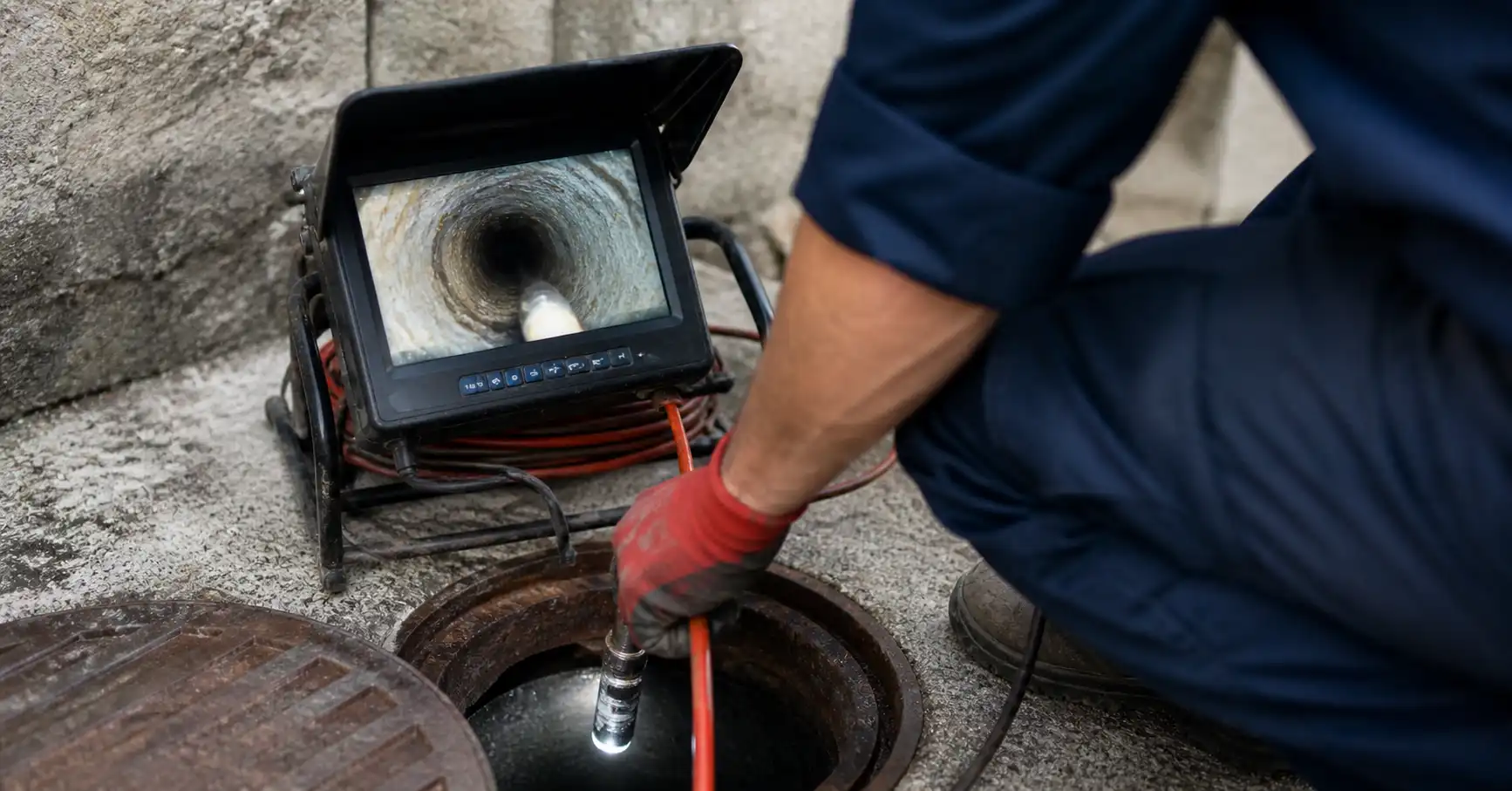
The first stage is to inspect the affected area and narrow down where the water is coming from. If the pipe is hidden, suitable leak detection equipment may help locate the problem without opening large sections of the wall or floor.
This matters because the visible damage can be misleading. Water may travel away from the original leak before appearing on a ceiling or skirting board. Repairing the first damp area without finding the source would leave the real problem untouched.
Choosing the right repair
Once the damaged section is accessible, the plumber checks the pipe material, fittings and extent of deterioration. A short section may need replacing, while a failed joint might require a new fitting. If several sections are in poor condition, a broader replacement may be worth discussing.
The aim is not simply to stop the water for the moment. The repair needs to suit the pipework, operating pressure and applicable plumbing requirements.
Testing the plumbing afterwards
After completing the work, the plumber restores the supply and checks the repaired area for leakage. Depending on the fault, they may also investigate water pressure or inspect nearby connections.
A successful plumbing repair does not automatically mean the property is dry. Water can remain in insulation, flooring and wall cavities. If materials have absorbed a substantial amount of moisture, professional drying and restoration may be needed.
Which Pipe Problems Need Different Repair Methods?
Not every leak calls for the same approach. The table below explains what a plumber may consider after inspecting the damage.
| Type of problem | Possible repair | What else needs checking? |
| Crack in an exposed pipe | Replace the damaged section or use a suitable approved repair | Whether the pipe has deteriorated elsewhere |
| Failed pipe joint | Replace the faulty fitting or connection | Correct sizing and installation |
| Leak beneath a driveway or garden | Locate the leak and expose the affected section | Nearby underground services and surface reinstatement |
| Pipe leaking behind a wall | Identify the source and create suitable access | Moisture trapped in plasterboard or insulation |
| Repeated leaks in old plumbing | Assess partial or wider pipe replacement | Age, material and condition of surrounding pipes |
| Damage linked to high pressure | Repair the fault and investigate the pressure issue | Whether pressure is suitable for the system |
The table provides general examples rather than a fixed repair plan. The appropriate method depends on the pipe, its location and the cause of failure. A plumber should explain why a particular repair or replacement is necessary.
How Can You Prevent Another Burst Pipe?
Nobody can prevent every plumbing failure. However, there are practical ways to catch developing problems before they cause substantial damage.
Start with the condition of the existing plumbing. If your home has older pipes, a history of recurring leaks or unexplained changes in water pressure, arrange an inspection rather than waiting for another failure.
The Western Australian Government provides information about specific polybutylene plumbing failures. Its WA pipe failure guidance explains the issue and relevant remediation information. If you suspect your property contains an affected product, check the exact pipe type and seek advice from a licensed plumber.
It is also worth paying attention to small changes around the house. A fitting that repeatedly drips, a cupboard that smells musty or a patch of flooring that feels different may deserve investigation. These clues do not always point to a supply pipe, but they are easier to deal with before surrounding materials become saturated.
During renovations, make sure the location of concealed plumbing is considered before drilling or cutting into walls and floors. If work is being done outdoors, take care around buried water lines and other services.
Finally, keep a record of previous plumbing repairs. If the same area develops another leak, those details can help the plumber determine whether the fault is isolated or whether the surrounding pipework needs attention.
When Should You Call an Emergency Plumber in Perth?
A small, controlled drip may allow time for a routine appointment, provided there is no immediate danger. A pipe releasing large amounts of water is a different matter.
Contact an emergency plumber if water is spreading rapidly, the supply cannot be isolated, a concealed leak is causing significant damage or water is entering an electrical area. You should also seek prompt help when a leak is affecting essential water supply or the safety of the building.
If the problem involves a public water main rather than your property’s private plumbing, report it to Water Corporation through its official fault-reporting service.Private property pipework generally requires a licensed plumber.
Conclusion
A pipe leak can begin with little more than a damp mark, yet the damage may spread while the source remains hidden. Changes in water pressure, unexpected water use, wet flooring and persistent running sounds are all worth investigating.
If you discover a burst pipe, shut off the supply where safe, stay clear of electrical hazards and arrange a professional assessment. Once the leak has been repaired, check whether the surrounding materials need drying or further attention.
If you are dealing with a suspected pipe failure in Perth, contact Advantage Plumbing & Gas to discuss the problem and arrange suitable plumbing assistance.
Frequently Asked Questions
1. What is the most common sign of a burst pipe?
There is no single sign that applies to every situation. Sudden flooding is obvious, but hidden leaks may first appear as damp walls, reduced water pressure, unexplained water use or persistent sounds behind walls.
2. Can a burst pipe cause damage even after the water is stopped?
Yes. Water may already have soaked into flooring, insulation, plasterboard or timber. Those materials may need professional drying, and the affected area should be checked for continuing moisture.
3. Should I turn off the main water supply if a pipe bursts?
Yes, if the valve is accessible and it is safe to operate. Isolating the supply can limit further water loss while you arrange a repair. Keep clear of flooded electrical areas.
4. Can I repair a burst pipe myself in Perth?
Most water supply plumbing work in Western Australia must be carried out by an appropriately licensed plumber. You can take immediate precautions, such as turning off the supply, but should check the applicable requirements before attempting any plumbing work.
5. How can I tell if a pipe is leaking underground?
Persistent wet ground, unexplained puddles, sinking soil and unusual water use may indicate an underground leak. These signs can have other causes, so a plumber should investigate before excavation begins.