Most of us don’t even think about our hot water until we’re hit with an icy surprise in the shower. In Perth homes, hot water tanks work behind the scenes every single day, handling showers, laundry, dishes, and general comfort.
With Perth’s mineral-heavy water and warm climate, Hot Water Tank Maintenance becomes less of a nice-to-have and more of a smart habit.
A well-maintained system works quietly, safely, and well. If you neglect the system, small issues snowball until the whole unit quits, usually right when you’re in the middle of a shower. Your system will last longer, have fewer malfunctions, and cost less to operate if you know how to maintain it.
Why Hot Water Tank Maintenance Matters in Perth
Minerals in Perth’s water supply slowly settle into tanks. Over time, this silt builds up into a thick layer at the bottom, which makes the system work harder. It loses its ability to hold heat, internal pressure starts to climb, and the components simply burn out long before they should.
Hot Water Tank Maintenance focuses on keeping internal components clean, balanced, and protected from corrosion. Keeping up with services is the best way to catch a small glitch before it turns into a midnight emergency.
Key benefits include:
- Longer system lifespan
- Stable water temperature
- Reduced energy consumption
- Lower risk of leaks
- Improved safety
Maintenance acts as prevention rather than reaction.
How Perth’s Climate Affects Hot Water Systems
Perth’s summers that are warm and mild summers and winters create steady temperature changes inside tanks. Metal shrinks and grows. Intense heat makes rubber seals brittle and age prematurely, while your pressure valves have to work overtime just to keep up.
Because of the harsh local conditions we deal with, keeping up with regular maintenance isn’t just a suggestion; it’s a necessity.
Without regular cleaning, rust sets in fast. You’ll usually spot it first around the fittings or eating away at the base of the tank. Local plumbers will tell you that environmental wear and tear is one of the biggest reasons systems die years earlier than they should.
What Hot Water Tank Maintenance Actually Involves
Maintenance is not guesswork. It follows a structured process designed to assess safety, efficiency, and internal condition.
Core Maintenance Steps
- Examining the tank’s exterior for moisture or rust
- Checking the pressure relief valve to make sure it’s still functioning properly.
- Verifying the accuracy of the thermostat
- Flushing sediment buildup
- Examining anode rods
- Evaluating pipe connections
- Identifying the initial indications of hot water leakage repair needs
Every one of these checks acts as a safety net for your heater.
Early Warning Signs Maintenance Is Overdue
Hot water systems rarely fail without warning. Signals appear gradually.
Common indicators include:
- Reduced hot water volume
- Discoloured water
- Unusual noises from the tank
- Water is pooling near the base
- Rising energy bills
Ignoring these signs often leads to larger hot water service repairs later. Timely Hot
Water Tank Maintenance keeps minor issues from escalating.
Sediment Buildup: The Silent System Killer
When minerals settle at the bottom, they act like a thick blanket that traps heat, forcing your system to work twice as hard. This creates “hot spots” that stress the metal. Eventually, that built-up silt can actually crack or leak through the internal lining.
Flushing out that gunk restores your heating efficiency so you aren’t wasting money waiting for the water to get hot. Experienced specialists know that managing sediment is the single most important part of long-term care, yet it’s the most overlooked.
Understanding Safety Standards and Energy Guidance
Safety authorities emphasize that keeping your system efficient is critical, especially if you’re running an older unit that’s seen better days.
National energy performance recommendations say that regular maintenance improves the performance of hot water systems, lowers their energy use, and makes them safer to use.
You should maintain your hot water tank for reasons other than just comfort, and this is just one more.
The Role of the Anode Rod in Tank Longevity
Inside every tank sits an anode rod designed to attract corrosion. Think of the anode rod as a bodyguard; it rusts so your tank’s interior walls don’t have to. Once depleted, corrosion shifts to the tank walls.
Anode inspection is a critical part of Hot Water Tank Maintenance. Replacing it early can add years to the system life and prevent premature hot water leak repair scenarios.
Hot Water Leak Repair Starts With Maintenance
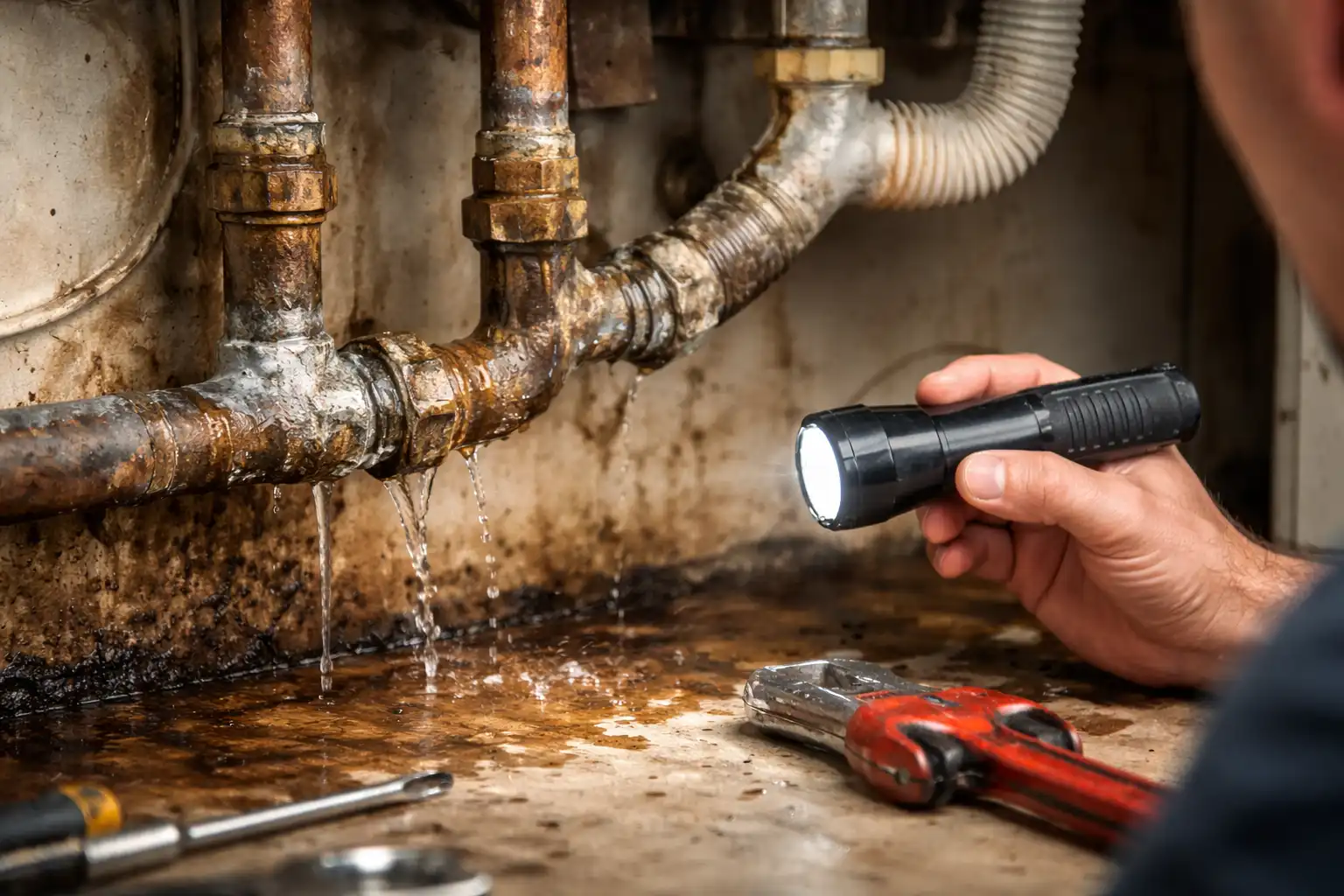
Leaks often start small. A slow drip. A damp patch. Moisture around fittings.
Maintenance detects these early signs before structural damage occurs.
Hot water leak repair becomes simpler, cheaper, and far less disruptive when caught early. Tanks left unchecked often require complete replacement instead of repair.
Plumbers who work with hot water use maintenance checks to find hidden pressure problems that can lead to leaks over time.
How Often Should Hot Water Tank Maintenance Be Scheduled
Most people in Perth think that homes should be cleaned at least once a year. If your heater is an older model or your household goes through a ton of hot water, you’ll want to check on it more frequently.
Maintenance frequency depends on:
- How old is the tank is
- Hardness of water
- Amount of use
- Where to put it
A steady service schedule is the best way to dodge a midnight emergency repair bill and keep your monthly costs down.
Indoor vs Outdoor Systems: Maintenance Differences
Outdoor units take a beating from dust and UV rays, while indoor setups need a close eye on humidity and proper ventilation to last.
Maintenance adapts to the location by focusing on:
- External corrosion protection for outdoor units
- Ventilation checks for indoor systems
- Pipe insulation integrity
- Temperature regulation stability
Both setups benefit equally from structured Hot Water Tank Maintenance.
Energy Efficiency and Cost Control
Water in a well-maintained tank warms up more quickly and lasts longer. This results in the heater using less energy and requiring fewer runs.
Benefits include:
- Lower electricity or gas consumption
- Faster recovery time
- Stable water pressure
- Reduced system strain
Energy efficiency is not accidental. It is a direct result of regular upkeep.
When you really need professional help
Many types of maintenance work need a license. As part of expert care, you should test, check, and look at electrical parts.
A licensed pro ensures everything is up to code and fixes things the right way the first time, rather than just patching the problem. Professional tune-ups are great for spotting a potential breakdown before it actually happens and leaves you stranded.
Skipping these expert checks isn’t just bad for the tank’s lifespan; it’s a genuine safety hazard for your home.
Common Maintenance Myths That Cause Damage
Several misconceptions still circulate.
- Tanks only need attention when broken
- New systems do not require maintenance
- Leaks always mean replacement
- Noise is normal
Every myth makes individuals less likely to act and costs more to fix things. You should maintain your hot water tank regularly, not just when something goes wrong.
Long-Term Value of Preventive Maintenance
Over time, maintenance costs far less than emergency repairs or system replacement. It protects warranties, improves household comfort, and supports consistent hot water access.
Perth homes benefit from predictable performance rather than surprise breakdowns. Maintenance delivers that reliability.
Maintenance Comparison Table
| Maintenance Area | Maintained System | Neglected System |
| Energy Use | Efficient | High |
| Leak Risk | Low | High |
| Lifespan | Extended | Shortened |
| Repair Costs | Minimum | Expensive |
| Safety | Stable | Risky |
Conclusion
Your hot water system works best when you pay attention to it. Perth homes stay warm, safe, and efficient all year long with hot water tank maintenance.
Little checks stop significant problems from happening. Good health means that systems are quiet.
You won’t have to rush to fix a hot water leak if you stay on top of problems. It will be easier to plan for and deal with repairs to your hot water service.
For systems showing signs of wear or overdue servicing, now is the time to act. Get a quote today or contact a licensed professional in Perth to restore confidence in daily hot water performance.
FAQ
How does Hot Water Tank Maintenance help prevent breakdowns?
Hot Water Tank Maintenance identifies early wear, pressure imbalance, and sediment buildup before damage spreads. Regular maintenance is your best defense against surprise leaks and high costs, keeping everything running smoothly despite the Perth weather.
Is hot-water-leak repair always required when water appears near the tank?
Not all the time. The tank itself can't let water in; only the valves or fittings can. Maintenance inspections help determine whether hot water leak repair is needed or if a minor adjustment will resolve the issue safely.
When should a hot water plumber be contacted for servicing?
Once a year, or whenever you hear odd noises, notice temperature changes, or encounter pressure issues, you should contact a hot water plumber. Professional maintenance maintains the system safe and functioning well, reducing the need for major repairs.