Having your hot water quit on you messes up your day faster than almost anything else. The shower goes ice cold, the sink fills with dirty dishes, and your home comfort is just gone. That’s when you really need a reliable Hot Water Plumber. These systems usually seem to die out of nowhere, but the truth is, the problems have probably been brewing for a while.
Therefore, early awareness helps avoid costly breakdowns. Heating units, pipes, and valves all play a role in consistent performance. However, even minor faults can trigger major inconvenience. Modern homes depend heavily on efficient hot water systems, especially in busy urban lifestyles. Consequently, maintenance becomes more than a choice; it becomes a necessity.
A skilled Hot Water Plumber identifies hidden faults, restores efficiency, and ensures long-term reliability. This guide explores common causes, practical fixes, and clear signs that demand expert intervention. Smart decisions begin with a better understanding of the system.
Common Causes Behind Hot Water System Failures
Hot water systems fail for several predictable reasons. However, these issues often remain unnoticed until a disruption occurs. Sediment buildup ranks among the most common problems. Over time, minerals settle at the tank base, reducing heating efficiency. Consequently, energy consumption rises while performance drops.
Faulty thermostats also create inconsistent temperatures. Water may turn too hot or remain lukewarm. In such cases, a Hot Water Plumber quickly diagnoses the issue and restores balance. Additionally, worn-out heating elements often fail to generate adequate heat. Electric systems are more prone to this problem.
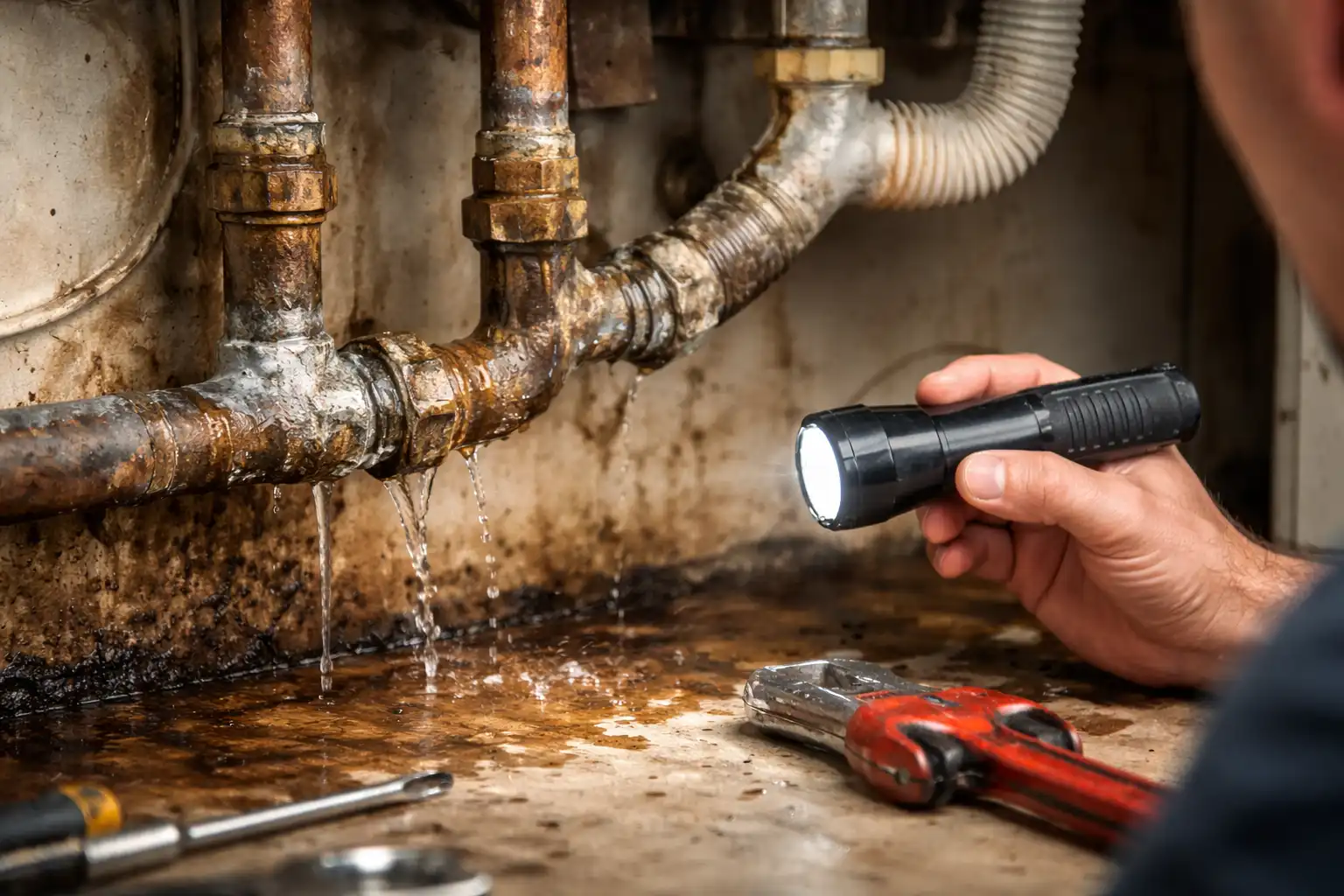
Leaks present another serious concern. A tiny drip might not look like much, but it slowly rots out everything around it. Rust and corrosion also eat away at your tank and pipes until the whole thing just gives up. If you’ve got a gas setup, you might be dealing with a pilot light that won’t stay lit or some kind of break in the gas flow.
On top of that, if the pressure valve acts up, you’re looking at a real safety risk. Those valves are there to keep the internal pressure from reaching dangerous levels. If they fail, the whole tank is at risk, so a quick check-up is the best way to catch those faults early.
Quick Fixes Before Calling a Hot Water Plumber
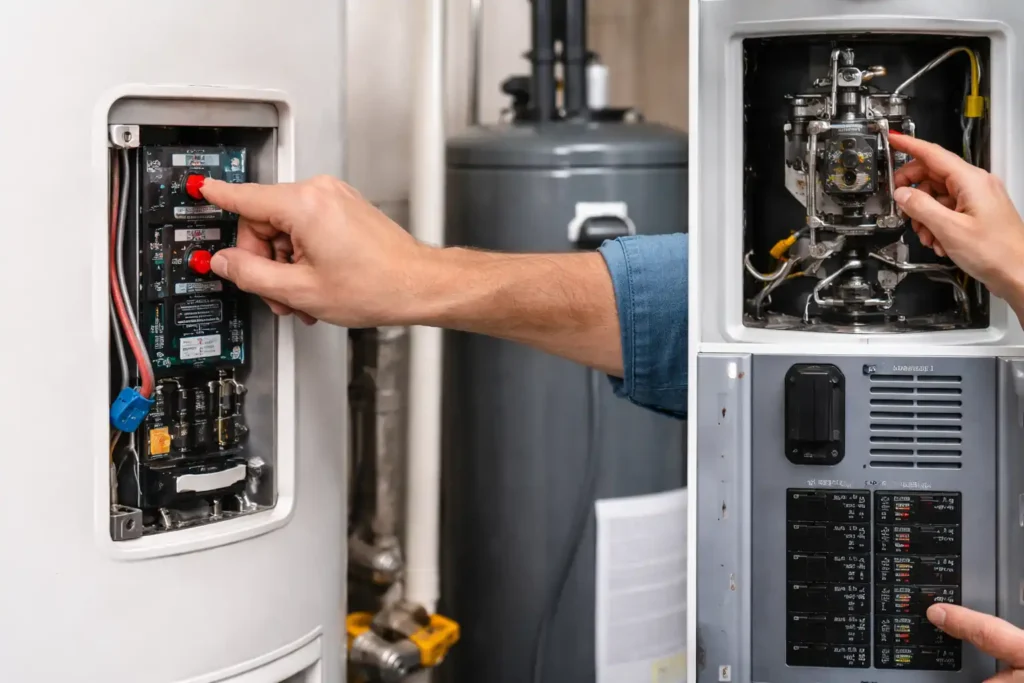
You can sometimes handle the small stuff with a quick fix before the pro gets there, but you’ve got to be careful when poking around. Often, just resetting the thermostat fixes those annoying temperature swings. Most units actually have a simple reset button just for these quick tweaks.
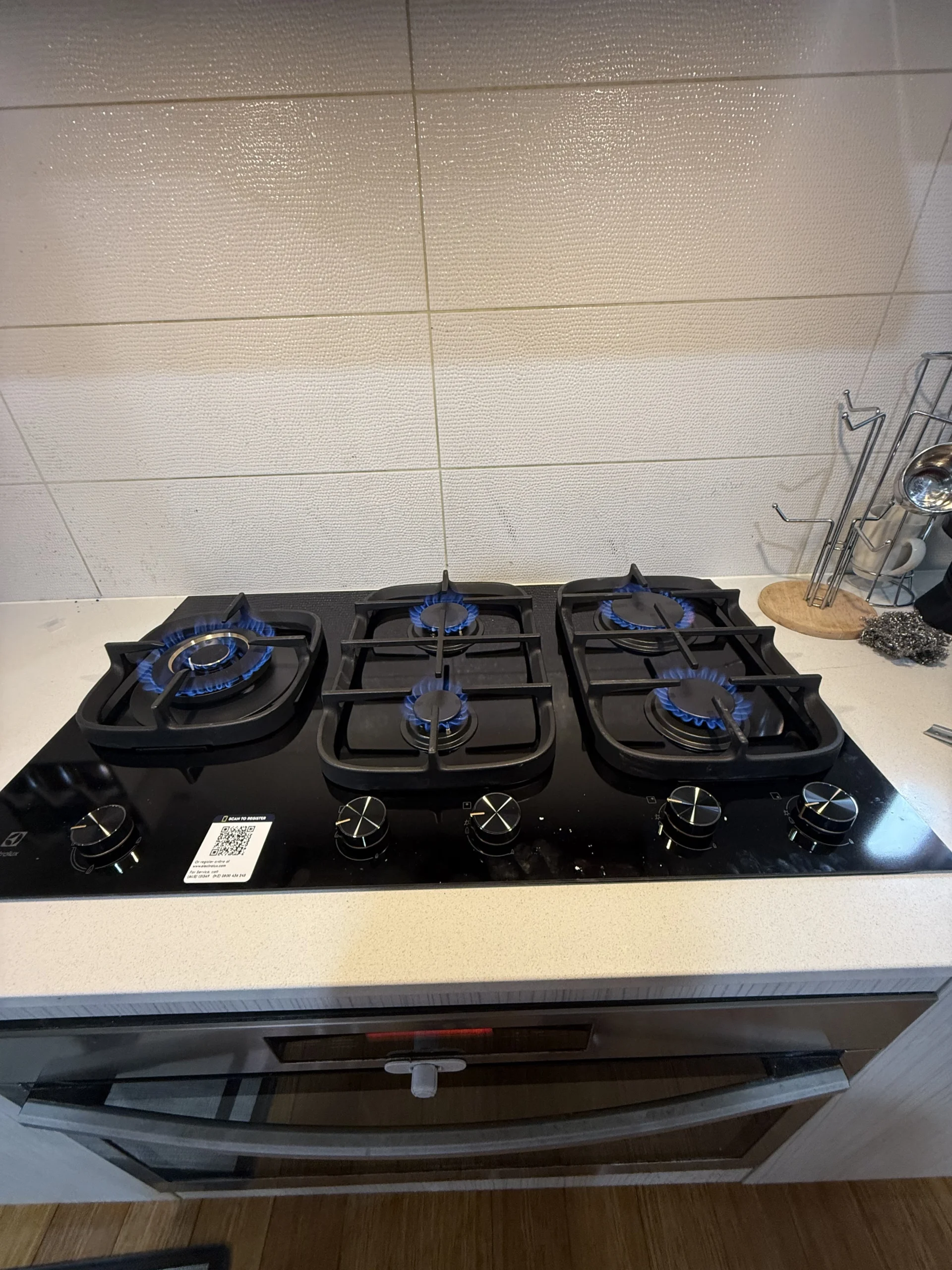
Checking the power supply also helps. Tripped circuit breakers commonly interrupt heating. Flipping the breaker back on might be all it takes to get things moving. In the same way, checking the pilot light on a gas unit ensures it’s actually sparking right. If it’s gone out, relighting it carefully might get your hot water back on.
Your water pressure needs to stay steady, too. If it drops, you’re likely looking at a hidden leak or a blockage somewhere. You might be able to clear a visible clog to help the flow, but the deeper headaches still need a Hot Water Plumber to actually get it sorted.
Additionally, flushing the tank helps remove sediment buildup. This process improves efficiency and extends system life. Still, improper handling may cause damage. Therefore, caution remains critical.
When to Call a Hot Water Plumber Immediately
Certain warning signs demand immediate professional attention. If you ignore the signs, you’re just inviting a massive repair bill or a safety scare. Any weird noises usually mean something is broken inside. If you hear rumbling or banging, it’s typically just gunk building up at the bottom or a pressure problem.
Water discoloration also signals trouble. Rusty or muddy water suggests corrosion inside the tank. In such cases, system replacement may become necessary. A qualified Hot Water Plumber accurately evaluates the situation.
A sudden loss of hot water without a clear cause also requires urgent action. Electrical faults or gas issues may be involved. Also, if you see a puddle forming around the base of the heater, you’ve got a leak that needs a hot water system repair right now.
Burning smells or gas odors present serious safety risks. Immediate shutdown and expert intervention become essential. These situations should never be handled without professional support. Refer to this resource for detailed safety standards on gas appliance handling, ventilation requirements, and emergency response procedures for hot water systems.
Types of Hot Water Systems and Their Maintenance Needs
Not every heater is the same, so they all need their own kind of care. Knowing how yours works is the best way to keep it running better and longer. Storage tank systems remain the most common option. They store heated water and release it when needed. However, sediment buildup frequently affects them.
Tankless units are great for modern efficiency because they only heat water when you actually turn the tap on, so you aren’t wasting power. Nevertheless, mineral scaling may affect performance over time. Regular descaling ensures optimal operation.
Solar hot water systems provide eco-friendly solutions. They depend on sunlight, reducing electricity consumption. However, weather conditions influence performance. Backup systems often support a consistent supply.
Heat pump setups pull warmth from the air to heat your water. They’re super efficient but they need plenty of space to breathe. Doing regular water heater maintenance ensures the air flows right and the system stays reliable.
| System Type | Key Benefit | Common Issue | Maintenance Need |
| Storage Tank | Reliable supply | Sediment buildup | Regular flushing |
| Tankless System | Energy efficient | Mineral scaling | Descaling |
| Solar System | Eco-friendly | Weather impact | Panel cleaning |
| Heat Pump | Low energy usage | Airflow blockage | Vent maintenance |
A Hot Water Plumber ensures each system receives appropriate care and attention.
Hot Water System Maintenance Tips for Long-Term Efficiency
Staying on top of things is the only way to stop a sudden breakdown. A little bit of effort goes a long way for the life of your machine. You really need an annual check-up to find the sneaky problems early. A Hot Water Plumber will go over the valves, the wiring, and the heating elements properly.
Draining and flushing the tank gets rid of all that sediment and helps it heat up much faster. It’s a simple move that actually lowers your power bill. Additionally, inspecting anode rods prevents corrosion inside the tank. Replacing worn rods extends system life.
Temperature settings also affect performance. If you keep the thermostat at a sensible level, you won’t deal with overheating or wasted energy. Wrapping some insulation around the pipes also keeps the heat in, making the whole thing more efficient.
Doing a quick leak check every now and then saves your cupboards and floors from water rot. Even a tiny drip needs a fix immediately. Plus, keeping the area around the heater clear makes sure it can breathe and is easy to get to when you need to.
Choosing the Right Hot Water Plumber for Reliable Service
Picking a pro who knows their stuff is the only way to get a fix that actually lasts. Experience is everything when you’re trying to figure out a tricky problem. A certified expert will always stick to the safety rules and the best way of doing things.
Being upfront about the price is how you build trust and avoid those nasty shocks on the bill. A decent Hot Water Plumber will give you a clear quote before they even pick up a tool. Also, checking out what other customers say is a great way to see if they’re reliable.
When things go wrong, you need someone who actually picks up the phone. A fast response stops the mess from getting worse. Plus, finding a pro who offers a maintenance plan gives you a lot more value over time.
Today’s plumbers use some pretty high-tech gear to figure out what’s wrong. This makes the repair much faster and gets your water back on sooner. Picking the right expert gives you peace of mind and a shower that stays warm.
Conclusion
Your hot water needs a bit of looking after if you want it to last. Small glitches usually turn into total failures if you don’t act fast. This is why knowing what goes wrong is so important. A Hot Water Plumber makes sure everything is safe, efficient, and built to last.
Doing the basic maintenance lowers your bills and helps the unit live longer. If you see a warning sign and jump on it, you’ll save yourself a fortune in damage. Modern units really need an expert touch to work their best. A reliable service is what keeps your home life comfortable and easy. Expert support transforms system efficiency and reliability.
Get in touch today – a trusted Hot Water Plumber today for expert service and lasting solutions. Get a quote today and restore comfort without delay.
FAQs
1. What causes sudden hot water loss?
Usually, it’s a busted thermostat, a power trip, or a dead heating element that kills your hot water. A Hot Water Plumber can find the real cause in no time and get your system working safely again.
2. How often should hot water systems be serviced?
Hot water systems require servicing at least once a year. Keeping up with your maintenance makes the unit run better, stops the breakdowns, and ensures your water stays hot with the help of a Hot Water Plumber.
3. Is a leaking hot water system dangerous?
Absolutely, a leak can rot out your house or even cause an electrical fire. Getting a quick look from a Hot Water Plumber stops the risk and makes sure everything is safe to use.