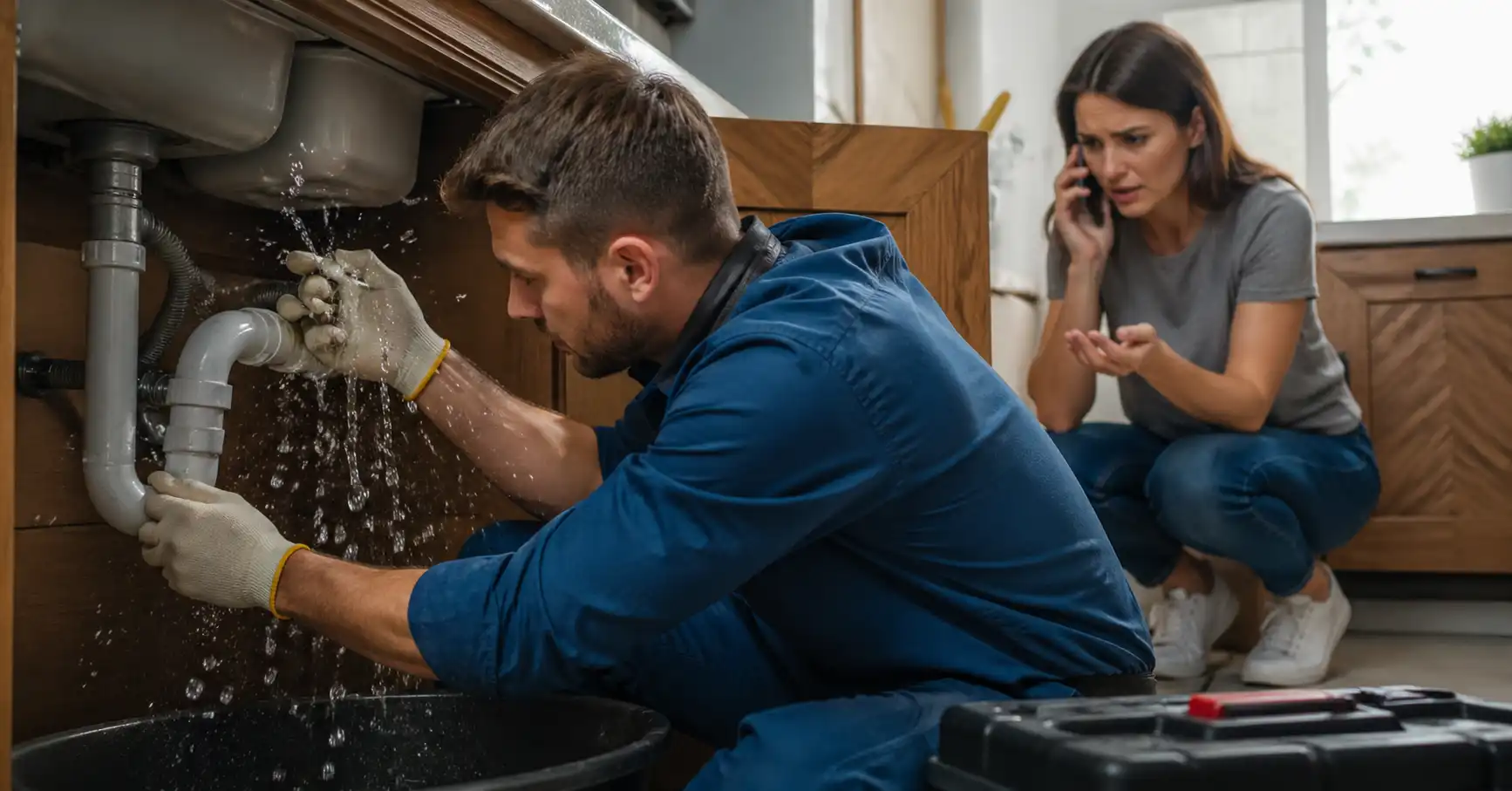
A kitchen sink that refuses to drain or a shower that leaves water around your feet can quickly become frustrating. Sometimes, removing a little hair or food waste solves the problem. Other times, the water drains for a day or two before the blockage returns. That usually means there is more going on inside the pipe than you can see.
For property owners in Perth, blocked drain services can help identify what is restricting the flow and determine how best to remove it. Grease, soap residue, tree roots and damaged pipes can all contribute to drainage problems. The right solution depends on where the obstruction sits and what has caused it.
Trying to clear a drain without knowing the cause can lead to repeated work without fixing the underlying issue. A plumber can inspect the affected area, choose suitable equipment and check whether the water is flowing properly once the obstruction has been removed.
Why Are Some Drain Blockages Harder to Clear?
A drain rarely becomes completely blocked in a single day. In many cases, waste collects gradually until water can no longer pass through easily.
Kitchen pipes are particularly vulnerable to grease. Cooking oil and fats may look harmless when poured down the sink, but they can cool and stick to the inside of the pipe. Food scraps then cling to the residue, creating a thicker obstruction over time.
Bathroom drains have their own problems. Hair becomes tangled with soap residue and other products, forming clumps that can be difficult to remove. Outside, leaves, dirt and small branches may restrict stormwater drains, especially when garden debris is left to accumulate.
Tree roots can cause more complicated problems. They sometimes enter underground pipes through existing cracks or loose joints. Once inside, the roots catch passing waste and gradually restrict the opening.
This explains why some blockages return soon after cleaning. The visible obstruction may have been removed, but residue or a damaged section of pipe could still be causing trouble. Reliable blocked drain services focus on finding that cause rather than simply restoring water flow for a short time.
What Signs Suggest You Need a Plumber?
Most people notice a drainage problem while carrying out ordinary household tasks. The kitchen sink takes longer to empty, the bathroom smells unusual, or water begins rising through a floor drain.
These symptoms can help narrow down the cause, although they do not always reveal the exact location of the blockage.
Watch for the following signs:
- Slow drainage: Water remains in the sink, bath or shower longer than usual.
- Repeated blockages: The same drain becomes restricted again after being cleared.
- Unpleasant smells: A persistent sewage or rotting smell comes from a drain.
- Gurgling noises: Air bubbles produce unusual sounds as water moves through the pipes.
- Water backing up: Wastewater rises through a toilet, floor drain or another connected fixture.
- Outdoor pooling: Water collects around an inspection opening or outdoor drain.
One slow basin may have a simple local obstruction. If the toilet, shower and laundry drain all begin having trouble around the same time, the problem could be further along a shared drainage line.
A blocked drain plumber can investigate these symptoms and work out whether the problem is confined to one fixture or affects a larger part of the drainage system. If sewage is backing up, stop using affected fixtures where possible and arrange prompt assistance.
How Do Professional Blocked Drain Services Clear Stubborn Pipes?
The approach depends on what is blocking the pipe. A plumber clearing a kitchen sink will not necessarily use the same equipment as someone dealing with tree roots in an underground drain.
1. Finding Where the Blockage Is
Before choosing a clearing method, the plumber needs to understand where the water is getting stuck.
They may ask how long the problem has been occurring, whether it has happened before and which fixtures are affected. Accessible drain openings may also be checked for visible debris or signs of restricted flow.
These details matter. A blockage close to a sink waste might be straightforward to reach, while an obstruction affecting several fixtures could be much further down the drainage line.
Guessing the location can waste time. It can also mean clearing the wrong section while the actual problem remains untouched.
2. Looking Inside the Pipe with a CCTV Camera
When the cause is not obvious, a CCTV drain inspection can provide a clearer picture. A small waterproof camera attached to a flexible cable is guided through an accessible section of the pipe. The plumber can then examine the footage on a screen.
The camera may reveal grease deposits, compacted waste, tree roots or visible damage to the pipe. It can also show where debris has collected and whether a particular section needs further attention.
For a simple blockage near a plughole, this inspection may not be necessary. It becomes more useful when the same drain keeps blocking, the obstruction is difficult to locate or the plumber suspects a damaged pipe.
Seeing what is happening inside the drain makes it easier to choose the right method instead of relying on trial and error.
3. Choosing the Right Equipment
Once the likely cause has been identified, the plumber selects equipment suited to the obstruction and the condition of the pipe.
| Method | Suitable for | How it helps |
| Drain snake | Hair and localised obstructions | Breaks apart or retrieves material inside the pipe |
| High-pressure water jetting | Grease, sludge and accumulated deposits | Uses controlled water pressure to dislodge residue |
| CCTV inspection | Recurring or unexplained blockages | Shows the location of obstructions and visible pipe damage |
| Manual removal | Accessible debris near a drain opening | Removes waste that can be reached safely |
| Root removal equipment | Tree roots inside suitable pipes | Cuts or removes roots restricting the drainage line |
These methods serve different purposes. A drain snake may be enough to clear a compact obstruction, whereas water jetting can help remove grease and residue coating a longer section of pipe.
However, more powerful equipment is not always the better choice. Older or damaged pipes may need careful assessment before high-pressure cleaning is attempted. A plumber should consider the pipe material, condition and location before deciding how to proceed.
Good blocked drain services involve choosing a method that removes the obstruction without creating an avoidable risk to the drainage system.
4. Removing the Obstruction Properly
After selecting the equipment, the plumber works to break apart, dislodge or remove the material blocking the pipe. Professional blocked drain services use suitable equipment to tackle the obstruction effectively.
Grease can be particularly stubborn because it sticks to the pipe walls. Opening a narrow passage through the obstruction may allow some water to drain, but residue can remain around the edges. If that build-up is not adequately addressed, the drain may become blocked again.
Tree roots present a different challenge. Specialised equipment may remove the roots inside the pipe, restoring the passage for wastewater. However, if the roots entered through a crack or damaged joint, the opening may still need repair.
This is where the initial inspection becomes useful. It helps distinguish a blockage that needs cleaning from a drainage defect that requires additional work.
5. Checking the Drain After Cleaning
Once the obstruction has been cleared, the plumber should check whether the drain is working properly.
This may involve running water through the affected fixture, examining accessible inspection points or using a camera to review the pipe. If water still drains slowly, there may be another obstruction or an underlying problem that needs attention.
The job is not necessarily finished just because the water starts moving again. Checking the result helps establish whether the immediate blockage has been cleared and whether further investigation is warranted. This final check is an important part of professional blocked drain services.
What Causes Blocked Drains in Perth Homes?
Everyday habits account for many household blockages. Grease poured into kitchen sinks, hair washed down bathroom drains and unsuitable items flushed down toilets can all contribute to restricted pipes.
Outdoor drains face a different set of problems. Leaves and garden waste can collect over drain grates, while dirt and sediment may accumulate inside stormwater lines. Where trees grow near underground drainage, roots may enter through existing defects. Blocked drain services can help identify these issues and determine the most suitable way to clear the obstruction.
The age and condition of the plumbing also make a difference. A damaged joint or cracked pipe can create a place where debris collects repeatedly. In these cases, cleaning may restore the flow, but the blockage can return if the defect remains.
Perth properties vary considerably in age, construction and drainage layout. There is no single cause that explains every blocked pipe, which is why inspecting the affected drain is more useful than assuming the same solution will work everywhere. Professional blocked drain services can help property owners identify the underlying cause and address recurring drainage problems.
When Should You Arrange Emergency Blocked Drain Services?
Not every slow drain requires urgent attention. A sink that empties slowly may be manageable in the short term, but sewage backing up into a home needs prompt action.
If wastewater overflows, stop using affected fixtures where possible. Keep children and pets away from the contaminated area and avoid direct contact with the water. Do not attempt to dismantle underground drainage equipment or investigate a sewage overflow yourself.
It is also worth establishing whether the problem is within the property’s private drainage system or involves a public sewer. The appropriate contact and responsibility for repairs may depend on where the fault occurs.
The Western Australian Department of Health provides guidance on wastewater overflow risks, including responsibilities that may apply to property owners, occupiers and local government authorities.
Emergency blocked drain services can help investigate the immediate problem and determine whether the next step is clearing the obstruction, inspecting the pipe or arranging repairs. Acting promptly can help limit disruption, particularly when several fixtures are affected.
How Can You Prevent Another Drain Blockage?
A few simple habits can reduce the amount of waste entering your pipes. Letting cooking grease cool before disposing of it appropriately, using a hair catcher in the shower and keeping leaves away from outdoor drain grates can help prevent blockages. Avoid flushing unsuitable items down the toilet. These steps can reduce the need for blocked drain services.
Be careful with chemical drain cleaners. They may not remove a deep obstruction or fix a damaged pipe, and the chemicals can create additional hazards when the drain is handled later.
If a drain keeps blocking despite these precautions, arrange an inspection rather than repeatedly trying the same temporary fix. The cause could be a build-up further down the line, tree roots or a damaged section of pipe. Professional blocked drain services can help identify the underlying issue.
Maintenance needs also differ between properties. A drain that works normally may need little intervention, while a property with recurring blockages could benefit from targeted inspections and cleaning.
Conclusion
A stubborn blockage can have several causes, from grease that has collected over months to roots entering an underground pipe. Clearing the obstruction is important, but understanding why it happened can make the difference between a lasting result and another call-out a few weeks later.
Professional blocked drain services help locate the problem, select suitable equipment and check whether the drain is working properly after cleaning. If the pipe is damaged, further repairs may be needed to reduce the chance of another blockage.
If you are dealing with a drain that will not clear, keeps blocking or is causing wastewater to back up at your Perth property, contact Advantage Plumbing and Gas today to discuss the problem and arrange an assessment.
Frequently Asked Questions
1. How long does it take to clear a stubborn drain blockage?
It depends on the location and severity of the obstruction. A simple blockage may be cleared quickly, while an underground drain requiring camera inspection, extensive cleaning or repairs can take longer.
2. Can a blocked drain clear itself?
A small amount of loose debris may move through a pipe, but a stubborn blockage is unlikely to disappear reliably on its own. If the problem persists or returns, a plumber can investigate the cause.
3. Is high-pressure water jetting suitable for every drain?
No. It can be effective against grease and accumulated deposits, but the plumber should first assess the pipe’s condition. Damaged or fragile pipework may require another method.
4. Why does my drain keep blocking after cleaning?
Some residue may remain inside the pipe, or another issue may be responsible. Tree roots, damaged joints and sections where debris repeatedly collects can all lead to recurring blockages.
5. When should I call a blocked drain plumber in Perth?
Seek professional help if a blockage persists, repeatedly returns, affects several fixtures or causes wastewater to back up. Sewage overflows require prompt attention, and contact with contaminated water should be avoided.