Hot Water Installation in Perth: Costs, Process & Benefits

Hot water problems rarely appear at the right time. Systems may lose pressure, heat slowly, or leak over time. These signs indicate inefficiency in many homes, necessitating hot water installation. Many households delay installation or repairs because the current system still runs. Unnoticed, older units often waste energy, struggle to maintain temperature, and result in higher utility costs. A professional hot water installation done at the right time prevents repeated hot water leak repairs and reduces the need for frequent hot water service repairs later. A licensed hot water plumber usually finds more than one issue during installation. Pressure imbalance, worn pipes, or small leaks often appear at the same time. Fixing these problems during hot water installation keeps the system stable and avoids expensive breakdowns in the future. Why Hot Water Installation often costs more than expected Many people expect installation to be a simple swap, but the real cost depends on what is found after the old unit is removed. Corrosion may already be present in pipes that appeared fine from the outside, and valves that functioned well prior to removal may fail during reconnection. These small details are why the installation cost differs from the original estimate. One common mistake homeowners make is buying a new unit before checking the existing setup. A heater that is larger or different from the old one may require extra pipe work or electrical changes. This adds labor time and sometimes leads to hot water service repairs before installation can even start. Experienced hot water plumber work usually includes checking pressure level, pipe alignment, and safety valves first. Doing this early prevents problems later and makes the hot water installation last longer without repeated repair calls. Real cost differences between system types in Perth Installation costs vary by system, and the cheapest option initially isn’t always the cheapest long-term. Electric systems usually cost less to install, but they may use more energy. Gas and solar units cost more upfront but often run cheaper once installed. Another factor that affects price is the condition of the existing line. Before connecting the new system, it may be necessary to repair the hot water leak from the old heater. Ignoring this step usually leads to more hot water service repairs later. A hot water plumber will normally recommend a system based on usage, not only price. Installing the wrong type can cause constant pressure problems, which means the system never performs the way it should even after new installation. Installation problems caused by old plumbing lines Many installation delays happen because of the pipes, not the heater. Pipes installed decades ago in older homes in Perth may not adequately support modern systems. When the pressure changes, weak sections start leaking. Small cracks or corrosion may be discovered when the old unit is removed for inspection. Ignoring these could result in the new system working temporarily before needing to be repaired for another hot water leak. Such an event makes the installation feel like it failed even though the heater itself is fine. Pipe condition also affects efficiency. Restrictions in water flow force the heater to work harder and consume more energy. A careful hot water plumber checks the full line before finishing the job, which keeps the hot water installation reliable for longer. Why repeated repairs usually mean replacement time Some homeowners try to keep the old system running as long as possible. Small repairs seem cheaper at the moment, but repeated hot water service repairs often cost more than installing a new unit. Each leak or valve change adds labor cost, and the system still stays old. A heater that needs hot water leak repair every few months usually has internal wear that cannot be fixed permanently, often falling short of modern Australian hot water system regulations regarding efficiency and safety. Pressure control parts also weaken with age, which makes temperature unstable. This is the point where installation becomes the better option. Hot water installation done at the right time avoids emergency breakdowns. Waiting until the system completely fails means higher cost, especially if replacement is needed urgently. Choosing the right hot water plumber matters more Installation quality depends more on the technician than the brand of heater. A good unit installed poorly will still cause problems, while an average unit installed correctly can last many years. This is why experienced hot water plumber work makes a difference. One common issue seen in the field is rushed installation. When connections are tightened too quickly or pipes are forced into place, stress builds inside the line. Months later, this stress turns into leaks and hot water service repairs. Taking the extra time for a thorough hot water installation is a smart move that saves you from annoying repeat visits. By double-checking the pressure, ensuring every joint is perfectly sealed, and running a full system test, you can be sure the heater will run smoothly without any nasty surprises. Average cost of Hot Water Installation in Perth Total costs for a new hot water system depend on the unit you choose, your home’s size, and the state of your current pipes. While most homeowners hope for a flat rate, we’ve found that the price often shifts once the old system is out of the way and we can see what’s really going on behind the scenes. Problem Result Service Needed Old heater High energy use hot water heater replacement Pipe damage Pressure loss pipe relining services Faulty valve Gas leak risk gas fitting services Bathroom leak Water waste leaking shower repair Door misalignment Water escape shower door roller replacement Extra work, like hot water leak repair or pipe replacement, increases the price. When the existing system has been leaking for a long time, hot water service repairs may be required before installation can start. Energy efficiency improves with proper installation work Many older systems waste energy without showing obvious faults. Water still heats, but the heater runs longer than it should. This increases electricity
A Complete Guide to CCTV Camera Pipe Inspections in Perth
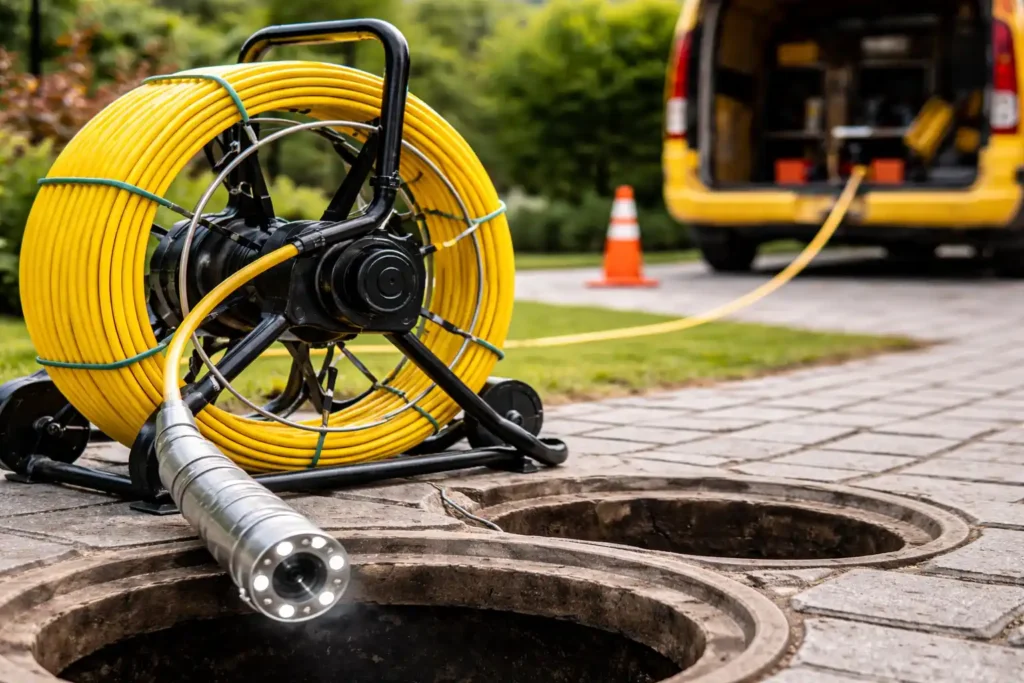
Imagine your plumbing as a hidden world beneath Perth’s streets – twisting tunnels filled with surprises. You might dread unearthing a cracked pipe or blockage under your lawn, but thanks to CCTV camera pipe inspections, there’s no need to grab a shovel first. With a tiny camera on a cable, technicians can snake through drains and sewers to find leaks, roots, and damage in real time. It’s like sending a miniature explorer into your pipes. I remember watching a Perth plumber carefully feed a CCTV camera down a home drain: the live video on his tablet showed every corner of the pipe, pinpointing exactly where a stubborn blockage lurked. No guesswork, no bulldozers – just precision. In fact, even the City of Perth schedules regular CCTV surveys of its stormwater pipes “to ensure the network is in good condition and to identify possible risks”. If the council trusts this high-tech trick, we should too. What is a CCTV Camera Pipe Inspection? At its core, a CCTV camera pipe inspection (also called a drain camera inspection) involves lowering a small video camera into your plumbing system to see inside pipes without digging them up. Think of it like a periscope for your drains. The camera is attached to a flexible cable or a remote-controlled crawler that can roll long distances and navigate bends. As the camera moves, it sends high-definition footage to a monitor so a technician can watch live. This means they can spot issues – blocked debris, cracks, corrosion or stray tree roots – the moment they appear. The camera often has a built-in transmitter (“sonde”) that allows plumbers to locate problems with pinpoint accuracy on the ground above, so repairs can be targeted exactly where needed. Why go through all this trouble? Because digging up driveways and lawns is expensive, messy and time-consuming. Instead, a CCTV camera pipe inspection is non-invasive – you keep your garden intact while the camera does the exploring. After the inspection, you get a detailed video report (often with maps or charts) showing exactly what’s wrong, where it is, and how bad it might be. It’s a bit like getting a doctor’s diagnosis for your pipes. Why Use CCTV Camera Pipe Inspections? Using a CCTV camera pipe inspection instead of traditional methods saves a ton of trouble. First, it precisely locates problems – no more guessing which pipe or manhole is the culprit. You’ll know if it’s a tree root breach, a crushed pipe, grease build-up or a mysterious foreign object. Second, it saves time and money. As one Perth expert explains, you avoid the hassle of tearing open pipes by trial and error. The camera finds the issue quickly so you can fix it fast, preventing ongoing damage and costlier repairs down the road. For example, if you have a stubborn blockage, the camera shows whether it’s just a clogged lip of soap or a full-blown collapsed pipe with roots intruding. Here are a few key benefits: Non-destructive inspection: As the no-dig philosophy goes, a CCTV camera inspection lets technicians “see inside your pipes and easily identify blockages, damage, cracks, corrosion, or tree root intrusion, without needing to dig”. Cost-effective: By quickly diagnosing the exact cause, you avoid unnecessary excavation. One Perth plumber notes that CCTV saves you from ripping apart your sewer lines “before being aware” of the real problem, leading to faster, cheaper repairs. Time-saving: The live feed means instant answers. Instead of days of trial-and-error, you get video proof of the issue on the spot. Accurate reporting: After the inspection, you receive a comprehensive report (often with footage clips and marked-up plans) showing what’s under your property. This helps plumbers or engineers plan repairs precisely and even serves as documentation for compliance or insurance. Preventative maintenance: Regular CCTV checks are a great way to catch slow leaks or early cracks. Experts recommend inspecting every 1–2 years for homes. This “catch problems before they escalate” and preserve your pipes before a disaster strikes. These advantages make CCTV inspections popular for blocked drains, home maintenance or new-build approvals. As Nuflow (a national pipe repair firm) sums it up: early detection of hidden issues saves time, money and stress, helping you make informed decisions on pipe maintenance. How CCTV Camera Pipe Inspections Work (Step-by-Step) A CCTV camera pipe inspection might sound high-tech, but the basic process is straightforward. It usually follows these steps: Access the pipes: The plumber locates an access point (like a drain cover or inspection port) where the camera can enter. For large jobs, this might be a manhole; for household plumbing, it could be a toilet drain or cleanout fitting. In tight spots, a small hole or existing drain opening is all that’s needed. Insert the camera: The flexible cable with the camera head is fed into the pipe. Sometimes the camera is mounted on a remote-controlled wheeled crawler (a bit like a tiny tank) to push it longer distances underground. The technician guides the cable carefully through bends, junctions and traps. Modern camera heads often have 360-degree rotation, letting you scan every part of the pipe’s circumference (no blind spots). Live video monitoring: As the camera moves, high-resolution footage is displayed on a screen. The technician watches for cracks, pinhole leaks, roots, sags or blockages. Every time something important appears – like a cracked joint or a growing tree root – it’s noted. Many systems can mark the footage time-stamp or add an electronic marker on the video. If the pipe is full of water, the camera is still designed to work in wet conditions. Location tracking: Thanks to that built-in transmitter (sonde), the exact position and depth of the camera is tracked on the ground above. This means if the camera finds a broken section 15 metres down your pipe, the plumber can pinpoint it on a map or measure from a manhole. Analysis and reporting: Once the inspection is done, all findings are compiled. Any damage or blockage is logged with its depth and
How CCTV Drain Inspection Services Help Perth Homeowners

Imagine sipping your morning flat white in sunny Perth when suddenly the shower gurgles ominously or water starts pooling outside. Yikes! Blocked drains are surprisingly common (and a real headache) after heavy rain in Perth. The good news? You don’t have to guess or start digging. CCTV Drain Inspection Services have emerged as a high-tech plumbing lifeline. Essentially, they send a tiny waterproof camera into your pipes to find clogs, cracks or tree roots – no digging required. In this article, we’ll show you how these services give Perth homeowners peace of mind and big savings, with no surprise caveats. What Are CCTV Drain Inspection Services? Think of CCTV drain inspection services as a drone mission for your plumbing. A plumber lowers a specialized camera on a flexible cable into your sewer or drain, live-streaming everything that happens underground. These cameras are waterproof and high-definition – basically an endoscope for pipes. As Wikipedia explains, they provide a “non-invasive and efficient way to assess the internal condition of drainage pipes”. In plain English, CCTV Drain Inspection Services mean you can see exactly what’s going on inside your pipes (like the photo above) without smashing up your walls or yard. It’s a lot less guesswork: instead of digging holes trying to find a clog, the camera lights up the culprit on-screen, whether it’s gunked-up grease, a cracked pipe, or sneaky tree roots. Why Use CCTV Drain Inspection Services? If you’ve ever wrestled with a stubborn blocked drain or paid for mysterious plumbing repairs, you get why these services are awesome. In short, CCTV Drain Inspection Services let you catch plumbing problems early and fix them smartly. Here’s why Perth homeowners are jumping on board: Pinpoint hidden issues A normal home inspection often misses underground gremlins. CCTV cameras spot trouble before it erupts. They’ll reveal blockages, cracks or root intrusions hiding in your drain lines. As one Perth plumber puts it, these inspections “locate problems accurately – so you know exactly what you’re dealing with”. In other words, no more racing for shovels in the dark. Save time and money Think it’s expensive? Actually, catching a small crack or clog early costs way less than a full-blown rebuild. A British plumbing wiki notes CCTV saves heaps by eliminating trial-and-error digging. Proud Plumbing agrees: it’s “second to none” for saving money since you avoid unnecessary excavation. Identifying a problem early means you can schedule a quick fix (like relining the pipe or jetting out debris) rather than pay for an emergency repair later. For example, one service quotes inspections from about $150–$500 – a bargain if it stops a $10,000 repair down the line. Non-invasive and fast No need to jackhammer your driveway. The whole process is done through your existing drain entry points. The camera tech has come a long way: some units even pan 360° to capture every joint and connection. This means minimal disruption to your home or garden. You’ll get a diagnosis without the mess and noise of digging, so life stays (mostly) normal. Peace of mind Once you’ve had a CCTV scan, you know the all-clear (or exactly what needs fixing). One plumbing blog points out that after an inspection, “you know there aren’t any undiscovered problems with your drainage system,” giving you real confidence. That is priceless peace of mind – especially before a big event like a home sale or just before Perth’s stormy season. Spot tree roots and leaks Perth’s gardens are lovely, but gum tree roots can be rotten thieves, sneaking into old clay or concrete pipes looking for water. CCTV cameras measure how deep roots have grown into the line and where they’re at. The camera also finds tiny cracks or leaks that could erode soil or let groundwater in. Detecting these early prevents nasty surprises like sunken driveways or a flooded yard in winter. Prevent health hazards A clogged or cracked drain can back up sewage, causing nasty odors or even contamination. CCTV inspections catch these issues early so you don’t end up with raw sewage in your home or garden. This proactive step helps keep your family safe and your home hygienic. Quick comparison: Approach Pros Cons CCTV Drain Inspection Non-invasive; precise (visual!) May not detect issues outside pipes Traditional Digging Can physically inspect everything Expensive, time-consuming, very disruptive With CCTV, you get a targeted diagnosis. Traditional excavation might find everything, but it costs more and wrecks the lawn. CCTV gives you the where so repairs can be exact. (Just know it won’t show things like overall stormwater capacity or multiple system issues – but for clogs and cracks, it’s golden.) How CCTV Drain Inspection Works Let’s walk through a typical service call (the image below gives you an idea). A licensed plumber arrives, armed with a van full of gear: high-def cameras, long cables, even sonar locators to find the pipe above ground. After you point out the problem area (say, a slow kitchen drain or a soggy lawn patch), they open an access point – often a drain cleanout or manhole. Then the magic happens: Once the CCTV camera is rolling, you get live footage on a monitor. The plumber slowly pushes the camera through the drain, navigating turns and junctions. As it glides along, you can literally watch roots wriggling in, chunks of debris, or cracks appear on screen. When the camera spots trouble – for instance, a massive root blockage – everyone sees it right away. This real-time video lets the plumber diagnose on the spot. By the end of the inspection, you’ve got concrete answers. The service provider will explain what they saw (“Ah, here’s a frayed pipe joint!”) and usually record the video. You often get to keep the footage or a report. No smoke and mirrors if there’s damage, you see it. If all is clear, you’ve just proved the drains are solid. CCTV Drain Inspection Services in Perth: Why They Matter Western Australia’s climate and geology make these services especially handy for Perth
Blocked Pipe Plumber in Perth: Causes, Signs and Fixes
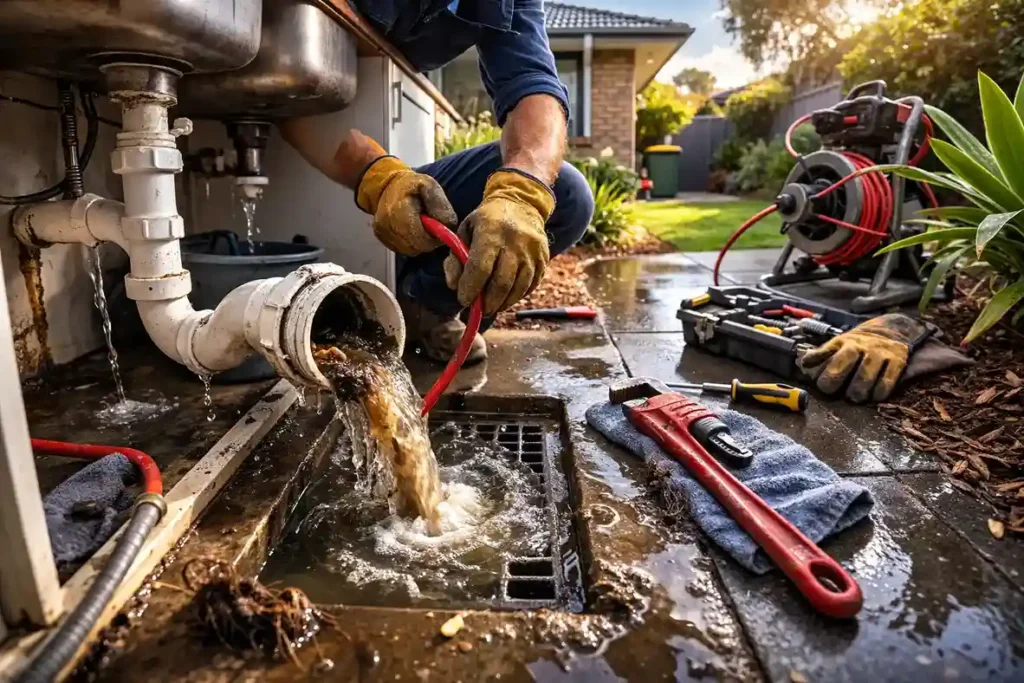
Imagine this: you’re a busy Perth professional rushing out the door when your shower suddenly has other plans – gurgling ominously or even overflowing. Great. That’s the classic saga of a blocked pipe. As someone who’s tangled with more than a few plumbing hiccups myself, I know how much of a headache this can be. In this friendly guide, we’ll have a casual yarn about what usually clogs up your pipes, the sneaky warning signs you shouldn’t ignore, DIY tricks you can try at home, and exactly when to wave the white flag and call in the big guns – your trusted blocked pipe plumber in Perth. No boring lectures here, just practical advice, a dash of Aussie humour, and all the detail you need to get those pipes back on track. By the end, you’ll know why the water’s bubbling up and how to stop the chaos (or at least laugh about it while you do). Common Causes of Blocked Pipe Plumber in Perth Think of your pipes as a highway – put the wrong traffic down there and you’re in for a jam. Here are the usual culprits around Perth: Grease and Food Scraps: That leftover cooking oil or bacon fat might seem harmless, but once it cools in your kitchen sink, it hardens into a gluey mess. Over time it traps food bits and slows the flow. Silver Drains warns that “food scraps, grease and oil are major culprits for blocking kitchen sinks”. Hair and Soap Scum: In the bathroom, strands of hair teamed up with soap suds will tangle together into stubborn clogs. Silver Drains notes that “hair and soap scum commonly clog bathroom sinks and shower drains,” forming a gunky mass that blocks water flow. Foreign Objects: Flushing anything other than toilet paper is a gamble. Wet wipes, cotton buds, nappies or even small toys can stop up toilets and sewer pipes. They don’t break down and just sit there like a roadblock. Silver Drains cautions against flushing wipes or too much toilet paper, since these “can lead to clogged drains or blocked toilets”. Tree Roots: Perth’s gumtrees and greenery have roots that are plumbing ninjas. They’ll seek out any pipe crack for a drink, then invade and block the line. One Australian guide explains that tree roots “often invade drain pipes for moisture, causing severe damage” and major blockages. If you live near big trees, root ingress is a top suspect. Pipe Age and Damage: Sometimes it’s not what you put in the pipe, but the pipe itself. Old, cracked or collapsed pipes can pinch off flow. In Perth’s shifting soils or older homes, this can happen. Think of it as your underground plumbing creaking under pressure – and, eventually, pieces can break off inside. When these issues build up over time, they often require professional inspection and clearing. This is where a Blocked Pipe Plumber becomes essential, especially if the blockage sits deep inside your drainage system or keeps coming back despite your efforts. Each of these factors by themselves can gum up your system. Mix a few (a boogie of grease and hair, for example) and you’ve got a solid plumbing party. The upside? Knowing the enemies helps you guard against them before they strike. Signs You Need a Blocked Pipe Plumber So how do you know when your pipes are throwing a tantrum? Here are the dead giveaways: Slow draining water: Kitchen sinks or showers that empty at a glacial pace are begging for attention. It’s like a traffic jam in your pipes – the water backing up means something’s sticking its thumb out. Silver Drains lists “slow drains in sinks or bathtubs” as a common warning sign. Unpleasant smells: Ever noticed a sewer-like pong wafting from a sink or floor drain? Foul odours mean something rotting or trapped, like food or gunk stuck in the pipe. That stink is your pipe calling for help. Gurgling or bubbling noises: If you hear your toilet or sink making funny gurgles or burbles while others nearby are used, that’s air pushing back through water seals – a sure sign of a partial blockage. It’s like your pipes saying “Hey, something’s not right!” Multiple backups: When more than one fixture starts acting up (say the laundry and kitchen both back up at once), the problem is likely deep in the system. At that point, you’ve graduated from an annoyance to a real emergency. Toilet or sink overflow: This is the red alert. If your toilet starts overflowing, or sinks and showers flood out from drain jams, it’s time to take action immediately. That same Silver Drains guide points out that overflowing water from toilets or sinks indicates a severe blockage. If you spot any of these symptoms, try the simple fixes below (they help sometimes). But don’t ignore them – blocked pipes tend to escalate quickly. And remember: if every trick in your toolkit fails, it’s the plumber’s turn. DIY Fixes (Before Calling a Blocked Pipe Plumber) Not every clog needs a pro right away. Sometimes you can use household moves to clear a minor jam before contacting a Blocked Pipe Plumber: Plunger it: A good old-fashioned plunger is a hero for sinks, toilets or tubs. Seal it over the drain and pump to force out the blockage. It’s like jump-starting your plumbing. Drain snake or coat-hanger: For hair clogs in a sink or shower, a drain snake (or a straightened coat-hanger with a hook) can fish out the mess. Just be gentle and don’t push anything further in. Hot water flush: Sometimes, especially for grease, a kettle of boiling water down the drain can soften clogs. You might follow it with a mix of baking soda and white vinegar – let it fizz a few minutes, then flush with hot water. Silver Drains actually recommends monthly flushes with boiling water, vinegar and baking soda to clear build-up. Avoid the caustic fixes: Stay away from chemical drain cleaners. They can corrode your pipes
How a Hot Water Plumber Identifies Hidden System Issues
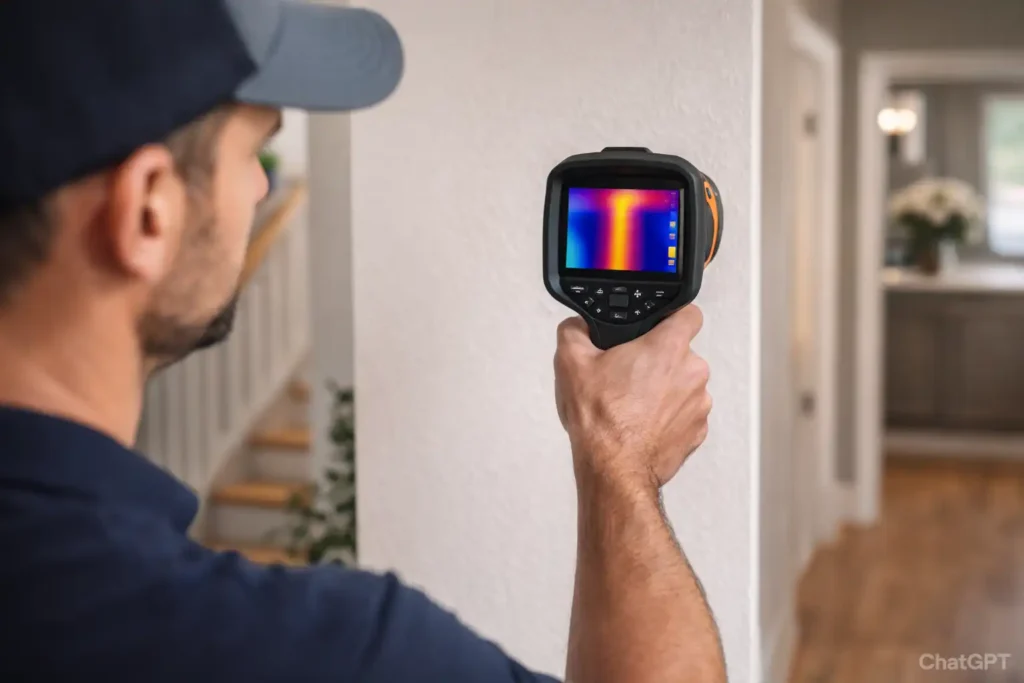
Imagine stepping into a freezing shower, hot water gone cold in an instant. You scramble under the house or peek in cupboards, but the leak’s invisible. This is when a hot water plumber becomes a plumbing detective. Think of us as Sherlock Holmes for your heater: we follow clues instead of footprints. I once arrived at a Subiaco home where the grass in the backyard was oddly lush. Inside, the shower ran bone-cold. A trained eye (and my trusty thermal camera) eventually revealed a tiny crack in a hidden hot water line under the slab. Without damaging the house, the leak was found. In Perth’s dry, sandy soil, even a small hidden leak can waste tens of thousands of litres a year – so we take these sneaky problems seriously. Let’s walk through how your friendly hot water plumber uncovers what you can’t see. Spotting the Clues a Hot Water Plumber Uses A hot water plumber relies on subtle hints. Tiny puddles, mold in an odd corner, or unexplained high water bills are all red flags. For example, visual cues like water stains, discoloured patches, or bubbling paint often spell trouble behind walls. You might notice warped floorboards or peeling wallpaper around a bathroom – classic signs of hidden leaks . It’s like a detective spotting a clue. Visual Signs: Water stains on ceilings or walls, peeling paint, bulging wallpaper, or warped flooring are classic indicators. Even rust-colored streaks on the heater tank can mean trouble brewing inside. Environmental Clues: Unexplained mould growth or a musty smell in what should be dry areas hints at moisture behind the scenes. Plumbers also spot sudden lush patches in your yard (especially in Perth’s summer) – grass loves extra moisture! Audio Hints: Your ears are handy tools too. Listen for constant dripping sounds inside walls or water trickling when all taps are off. Gurgles or bubbles in pipes, or toilets that behave strangely, can betray a leak hidden from sight. A plumber investigating hidden pipes behind a wall panel. Subtle clues like discoloured walls or moist plaster guide the search. Even you might notice clues before calling us: a spiking water bill or hot showers lasting just a few seconds. In Perth, for example, hidden leaks waste up to 2,000–4,000 litres per month on average. If your meter’s off the charts, it’s a telltale sign a leak is feeding off your home somewhere. Advanced Tools Every Hot Water Plumber Has Once we’ve gathered clues, it’s gadget time. Plumbers nowadays are like tech wizards. We don’t just grab a wrench; we bust out thermal cameras, acoustic microphones, pressure gauges, and even tracer dyes. These tools let us “see” through walls and floors non-invasively. A plumber’s toolbox: inside you’ll find thermal cameras, listening devices, gauges and more. These tools help locate leaks without tearing apart your walls. Consider this quick comparison of methods a hot water plumber might use: Detection Method How It Works When It’s Used Visual Inspection Check accessible pipes and joints Spot obvious drips, corrosion or rust Pressure Testing Seal off a section, pressurize with water/air Detect hidden leaks by watching for pressure drops Acoustic Listening Use ground mics or “listening sticks” Pinpoint leaks under concrete or behind walls by sound Thermal Imaging Infrared camera scan for temperature changes Reveal cool spots from leaking water behind drywall Tracer Gas or Dye Inject non-toxic gas or colored dye into pipes Find very small or deep leaks; dye flows out where leak is Every hot water plumber has a routine. First, I might inspect visually under sinks and around the heater for corrosion or stains. Then I’ll pressure-test the system. We cap off sections and pump it up; if the gauge slips, there’s a leak inside. Think of it as submerging your plumbing in an invisible bubble and seeing if it deflates. For acoustic detection, we slip a sensitive microphone along the floor or outside walls. Water leaking under pressure makes tiny noises – a hissing or dripping sound that these devices amplify. It’s like eavesdropping on the pipes. We follow the sound until – voila – the leak’s hiding spot is revealed, no jackhammer needed. This is especially handy in slab-on-ground homes like many in Perth. Another trick: infrared cameras. These thermal imagers show temperature differences on surfaces. A hot water leak makes the surrounding area cooler (or warmer), which the camera picks up as a false-color “smoke signal.” I once mapped a leak behind a shower wall by spotting a cold patch on the camera screen. It looks like magic, but it’s really heat science. For really tricky cases, we might even use tracer dye. We pour colored dye into the hot water pipes or shower trap and watch where it appears. If it oozes from a wall seam or drains out of a distant drain, we know exactly where to dig. Local plumbers sometimes also insert a harmless gas mixture and use sniffers – the gas escapes through the tiniest crack and we chase it down with detectors. By combining these methods, a hot water plumber can pinpoint leaks behind tiles, under concrete, or in hidden pipe runs without tearing down your home. Step-by-Step Troubleshooting (Plumber Style) Let’s break down a typical diagnosis step-by-step – kind of like CSI: Plumbing. Confirm the Source: First, I verify the leak’s origin. Service Today advises checking if the water is truly from the heater tank or nearby plumbing. (Sometimes a toilet or external tap masquerades as “lost” hot water.) In Australia, hot water systems must meet strict safety and energy efficiency standards. If you’d like to understand how these systems are regulated, you can review the official guidance on hot water systems from the Australian Government. Turn off the heater and listen. If the dripping stops, it’s from that system. If not, it’s something else. Always shut off the water main if you suspect a major leak to avoid damage. Visual and Sense Check: I do a careful visual scan and smell test.
How to Handle Hot Water Service Repairs in Perth Homes
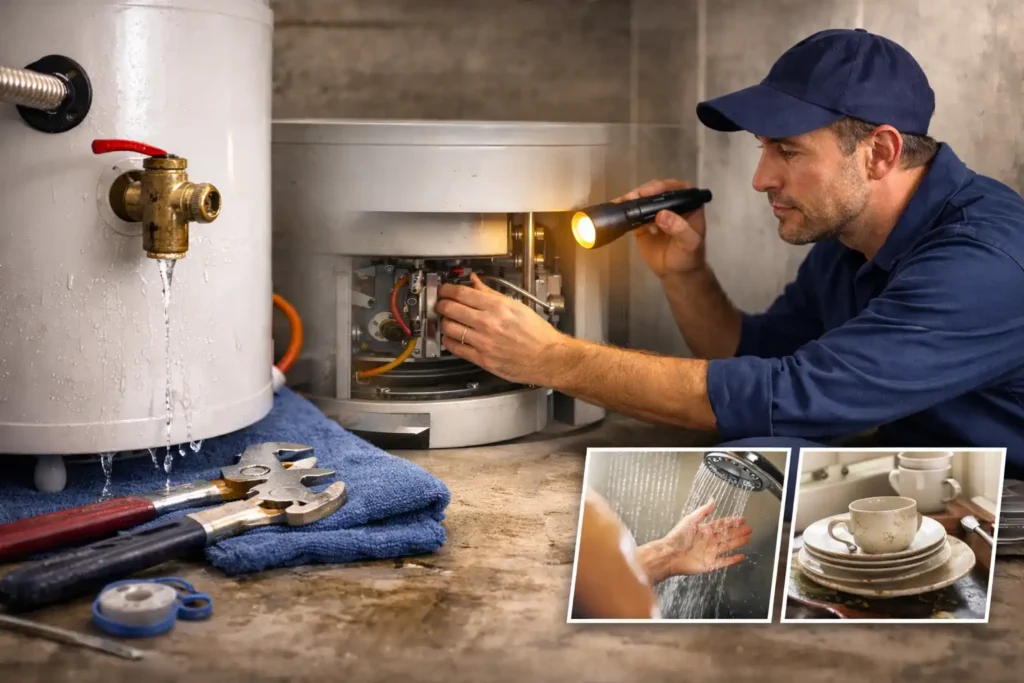
A Perth morning without hot water changes the rhythm of the entire home. Showers feel rushed, dishes pile up, and daily routines suddenly revolve around a cold tap. That moment reveals how essential a working system really is. Hot Water Service Repairs are not just technical fixes. They restore comfort, hygiene, and household flow. Living in Perth means your home deals with some unique environmental stress. Between the mineral-heavy water, shifting temperatures, and older plumbing, water heaters really take a beating. Even a perfect installation will eventually show wear, like leaks or patchy heat. Catching those signs early is the only way to stop a total shutdown. Getting reliable Hot Water Service Repairs starts with actually listening to what your system is saying. Things like odd noises, slow heating, or discolored water don’t just happen by accident. Every symptom points to a real internal problem, and jumping on it fast protects your unit and your pipes. Understanding Common Hot Water Failures Most Perth households experience a predictable pattern of faults. Sediment build-up is one of the most frequent culprits. Minerals settle inside tanks, reducing efficiency and straining heating components. Gas and electric units respond differently, yet both eventually show performance decline. Faulty pressure valves are another common culprit. If a valve is leaking, it’s a sign of internal pressure build-up that puts your safety and efficiency at risk. Beyond that, electrical parts simply wear down, while gas pilot lights often flicker out because of poor airflow or old age. Catching Hot Water Service Repairs early is the best way to avoid a total system meltdown. Being proactive keeps your bills down and helps your heater last years longer. Perth plumbing professionals frequently see how skipping basic maintenance can end up doubling your costs over time. Early Warning Signs Perth Homes Should Not Ignore A hot water system rarely fails without warning. Temperature fluctuation is often the first sign. Water that suddenly turns cold suggests a heating element issue or a thermostat malfunction. Discoloured water indicates corrosion or sediment disturbance inside the tank. Unusual sounds such as popping or rumbling signal trapped mineral deposits heating unevenly. External moisture or pooling water suggests seal degradation. Each of these symptoms warrants immediate attention and targeted Hot Water Service Repairs. Simple, routine checks are your best defense against a sudden cold shower. By keeping an eye out for leaks, listening for weird sounds, and timing how fast the water heats up, you can spot trouble before it actually ruins your morning. Repair Versus Replacement Decisions You don’t always need a brand-new heater just because something breaks. Smart Hot Water Service Repairs can bring a unit back to life if you act fast. Age is the big factor here; if it’s under ten years old, a repair usually makes sense, whereas older units might be worth replacing to save on energy. Efficiency matters more than most people realize. Newer models heat water faster while using way less juice. Fixing a dying system might stop the leak today, but it’ll keep your bills high. Many Perth households now look at repairs based on how much they’ll save in the long run. Safety Considerations During Repairs Climate Factors Affecting Perth Hot Water Systems The mineral-heavy water in Perth is notorious for causing sediment buildup. On top of that, seasonal temperature shifts put a lot of physical stress on the unit, causing tanks to expand and shrink until seals and fittings eventually give way. Flushing the tank regularly helps clear out that sediment and keeps things running smoothly. Combining professional maintenance with quick Hot Water Service Repairs is the only way to keep a system stable against those harsh local conditions. To learn more about keeping your hot water efficient and safe, check out the resources provided by Australian energy authorities. They offer great tips on maintenance and safety standards here: Cost Expectations and Repair Planning Repair costs vary depending on component failure. Thermostat replacement is relatively minor, while tank corrosion demands more extensive work. Transparent assessment helps households plan financially without surprises. Preventive servicing reduces emergency repairs. Scheduled inspections identify minor faults before they evolve into expensive breakdowns. Consistent Hot Water Service Repairs planning ultimately lowers total ownership cost. How Perth Water Quality Impacts Repair Frequency Water quality is the “silent” reason why you might need Hot Water Service Repairs more often. Because Perth has such mineral-heavy water, gunk builds up inside the tank. Eventually, that sediment acts like a thick blanket over the heating elements, making the system work overtime for lukewarm results. All that extra strain burns out thermostats and valves much faster. You’ll start noticing the water takes forever to get hot or stays patchy. Routine service clears that pressure, keeping things efficient and cutting down on repairs. Homes that stay on top of mineral buildup usually see fewer emergencies and get way more years out of their gear. Energy Efficiency and Repair Decisions Nowadays, repairs are just as much about energy bills as they are about hot water. A system that’s struggling will hog power or gas just to stay warm, which can hike your monthly costs. Quick Hot Water Service Repairs fix those cycles and stop that wasted energy. Households can review official energy efficiency guidance and system performance standards. Many Perth households don’t realize how much a “small” fault actually tanks their efficiency. A dying thermostat or a scaled-up element can force the system into endless reheating cycles. Once fixed, the system settles back into a steady rhythm, cutting down on strain and keeping energy use predictable. Efficient units don’t just lower your bills; they’re also quieter. Seasonal Stress on Hot Water Systems Perth’s climate introduces seasonal pressure on hot water equipment. During cooler months, heating components run longer cycles to maintain temperature. During warmer periods, internal expansion and contraction gradually put stress on seals and joints. Without preventative maintenance, this cycle accelerates component fatigue. Routine inspections reduce the likelihood of sudden system shutdowns during peak demand. Seasonal awareness supports
Hot Water Leak Repair for Perth Homes: A Homeowner’s Guide
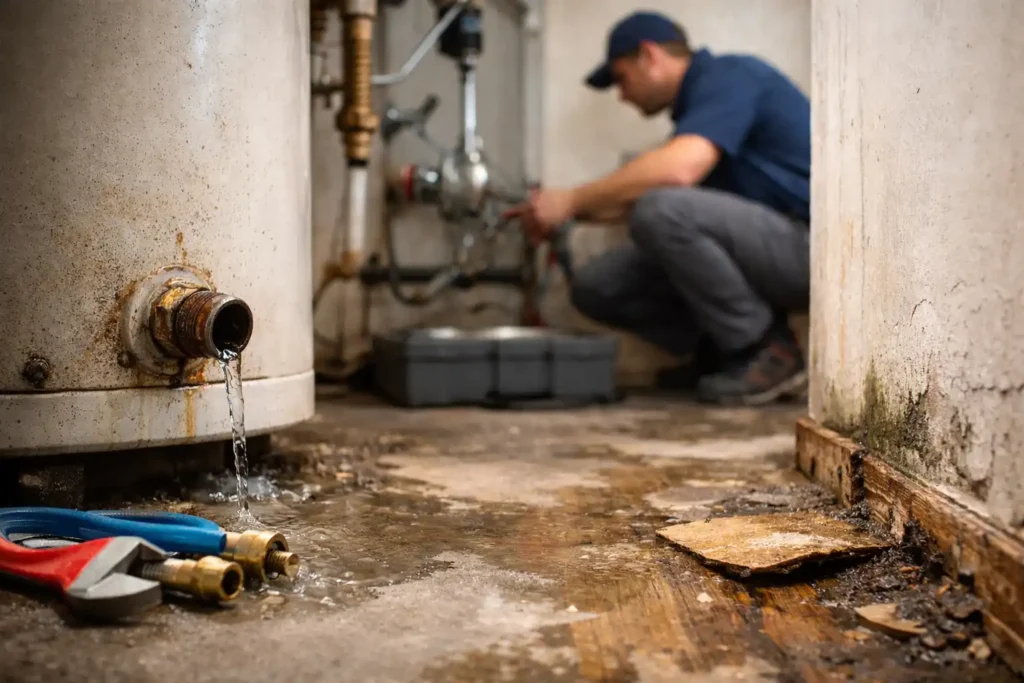
A hot water leak never shows up at a convenient time. It usually happens when the morning shower is already running late, when guests are coming over, or when the electricity bill is already looking rude. In Perth homes, hot water systems work hard all year, and when something goes wrong, the leak can go from “small drip” to “serious damage” faster than expected. Hot Water Leak Repair is not just about stopping water from escaping. This is really about saving your walls and floors from rot and making sure a simple leak doesn’t turn into a massive renovation. Most people in Perth don’t realize how much a leaking hot water system can destroy, especially when it is tucked away behind a wall or under a concrete slab. We are breaking down everything you need to know about fixing hot water leaks here in Perth. We will cover the red flags, what it costs to fix, and when calling a pro for emergency plumbing Perth is your only real move. Why Hot Water Leaks Are a Bigger Deal in Perth Homes Between the salty coastal air and our mix of old houses and new apartments, Perth has a perfect storm for pipes to start wearing out way sooner than they should. Many properties still rely on ageing pipes, older hot water systems, and fittings that were installed years ago. Hot water leaks are also more aggressive than cold water leaks because heat expands materials. That means seals weaken faster, joints loosen quicker, and corrosion speeds up. Ignoring Hot Water Leak Repair can lead to: A small leak today can become a flooded laundry tomorrow. Common Signs That Hot Water Leak Repair Is Needed A leak doesn’t always look like a flood; sometimes it is just a sneaky thief draining your wallet through high bills and rotting your floorboards. These are the main signs local homeowners usually spot first. 1. Puddles Around the Hot Water Unit If water keeps appearing around the system, the leak may be coming from the tank base, valve, or pipe fittings. 2. Hot Water Pressure Drops Suddenly A leaking pipe or pressure relief valve can cause weak hot water flow in taps and showers. 3. Rusty or Brown Water This can mean internal tank corrosion, which often leads to a leak soon after. 4. Hissing, Popping, or Rumbling Noises Sediment buildup can overheat the tank, damage internal components, and trigger leaks. 5. Higher Water Bills A leaking hot water system can easily dump hundreds of litres of water before you even notice anything is wrong. 6. Damp Smell or Mould Growth A hidden hot water pipe leak behind walls can cause moisture buildup and mould patches. Where Hot Water Leaks Usually Come From Hot Water Leak Repair starts with identifying the source. Most leaks fall into a few predictable areas. Leaking Hot Water Tank Storage hot water systems can crack or corrode over time. Once the tank itself leaks, hot water leak repair options become limited, and replacement is often the smartest move. Temperature Pressure Relief Valve (TPR Valve) The TPR valve releases excess pressure. If there is a constant drip, it usually means a part is failing, and hot water leak repair may be needed immediately to prevent bigger damage. Loose Pipe Connections Pipe connections can slowly rattle loose over time due to constant vibration and heat expansion. In many cases, hot water leak repair involves tightening or replacing these worn fittings. Corroded Copper Pipes Plenty of older Perth houses still have copper pipes, and after years of use, corrosion eventually causes those tiny pinhole leaks. Faulty Seals and Gaskets Rubber seals eventually give up after being baked by the heat, and once they crack, a leak is pretty much guaranteed. Overflow Pipe Dripping Some overflow is normal, but constant flow suggests the system is under stress and needs inspection. Hot Water Leak Repair Methods Used by Professionals Not every leak is fixed the same way, so proper hot water leak repair follows a clear process to ensure the job is done right, not just covered up with a temporary patch that fails later. Step 1: System Shut-Off and Safety Check During hot water leak repair, the hot water supply and power/gas are turned off first. Electrical safety checks matter because water near power connections is always risky. Step 2: Leak Detection Inspection This is where professional leak detection methods in Perth come in, especially if the leak is hidden behind walls or under floors. Step 3: Component Testing We check all your valves and pressure controls for any signs of stress or rust to catch a failure before it happens. Step 4: Repair or Replacement Depending on the issue, the fix may involve: Emergency Hot Water Leak Repair: What Happens When It’s Urgent Some leaks cannot wait until Monday morning. Hot water leak repair becomes urgent when the situation turns risky or starts causing serious property damage. Emergency plumbing Perth services are usually required when: If you put off a fix for too long, you are going to see your repair bills absolutely skyrocket. A solid emergency plumbing Perth service focuses on shutting the system down fast to stop the damage before swapping out the broken parts immediately. What Causes Hot Water Systems to Leak in Perth? Perth hot water systems usually fail for predictable reasons. Hard Water and Sediment Many Perth suburbs experience mineral-heavy water. Sediment collects in storage tanks, accelerating corrosion. Water leaks also contribute to unnecessary water waste, which is why water efficiency and system maintenance are emphasised by the Australian Government’s Department of Climate Change, Energy, the Environment and Water. Ageing Hot Water Units Most storage systems last 8–12 years. Once past that mark, leaks become more likely. Pressure Problems When your water pressure is too high, it forces the valves to bleed water constantly, which eventually weakens all your joints. Coastal Corrosion Living in the coastal suburbs means your tank and fittings are fighting salty air, which makes
Why Shower Repair Shouldn’t Be Ignored in Perth Homes
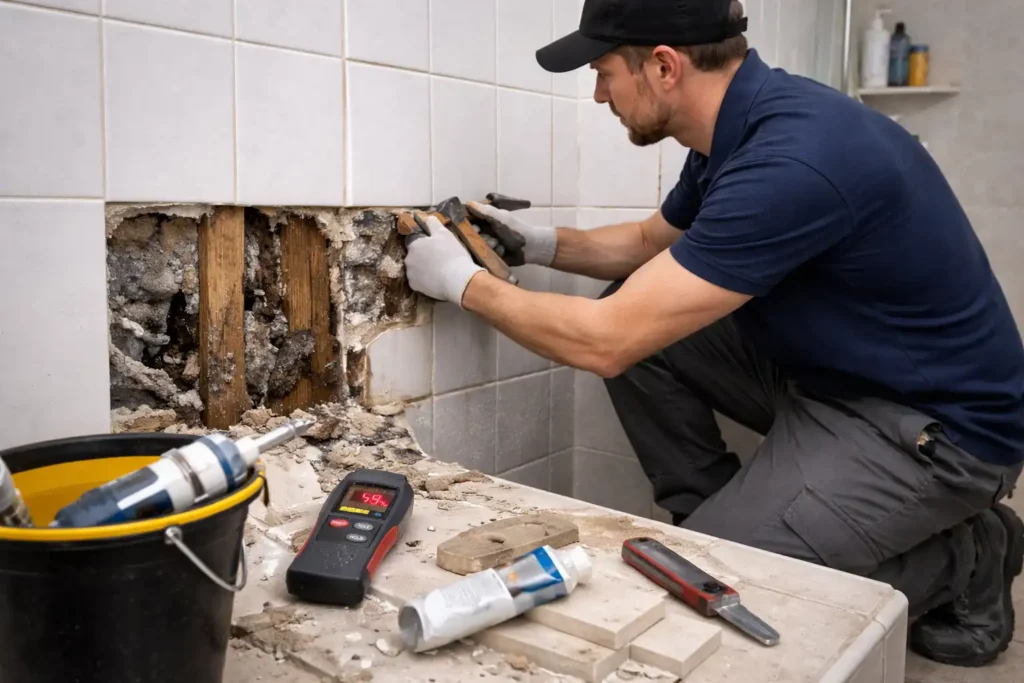
Shower problems always start small. A tiny crack in a tile. A little water is pooling near the drain. A faint musty smell that feels “normal” after a hot shower. But in Perth homes, ignoring these signs is like ignoring a warning light on a car dashboard. Everything might seem fine today, until the entire bathroom turns into a renovation bill nobody wanted. Fixing a shower isn’t just about stopping a drip. It’s about saving your home’s value, keeping the bathroom from getting gross, and stopping water from silently rotting out the space behind your walls. Perth’s climate, mixed with modern bathroom designs, makes shower areas one of the most common places for hidden structural issues to begin. This blog guide breaks down why Shower Repair matters, what happens when it gets delayed, and what Perth homeowners should watch for before the damage becomes expensive. Why Shower Issues Are So Common in Perth Bathrooms Bathrooms in Perth are often designed with sleek finishes, tiles, frameless glass, modern drains, and minimal grout lines. Looks great, sure. But the reality is simple: Water always finds a way through weak spots. Perth homes face common triggers such as: Even a premium bathroom can develop problems if small maintenance is ignored. The biggest mistake made is assuming water damage must be “visible” to be real. Most shower leaks stay hidden until serious damage shows up. Early Warning Signs That Shower Repair Is Needed A shower rarely collapses overnight. The warning signs appear slowly, like a bad relationship. Subtle, annoying, and easy to ignore. Here are the most common red flags Perth homeowners should take seriously: 1. Loose or Hollow-Sounding Tiles When tiles sound hollow, it usually means moisture has weakened the adhesive underneath. 2. Persistent Musty Smell A damp smell is not “just steam.” It’s often trapped moisture and mould growth. 3. Cracked Grout Lines Grout cracking is basically a welcome sign for water intrusion. 4. Peeling Silicone Around Corners Silicone seals around the base and edges are critical. Once peeling starts, water follows. 5. Water Stains on Adjacent Walls Stains outside the shower area often mean a leak has already spread. These signs are exactly where Shower Repair should begin—not after the ceiling downstairs starts dripping. The Real Damage Caused by Ignoring Shower Repair Shower damage is rarely “just a leak.” It becomes a chain reaction. And that chain reaction loves money. Ignoring Shower Repair can cause: And here’s the part nobody enjoys hearing: water damage spreads quietly. The longer it’s ignored, the more areas become affected, tiles, flooring, plaster, paint, and even cabinetry. How Perth’s Weather Makes Shower Leaks Worse Perth has a unique climate: long dry summers, cooler winters, and fluctuating humidity indoors. That shift can cause materials to expand and contract. Over time, that leads to: This is why bathroom waterproofing Perth searches are so common, because many homeowners only discover the problem once damage becomes visible. The harsh truth: waterproofing failure is often already happening long before the bathroom looks “bad.” Shower Repair vs Full Bathroom Renovation: The Cost Difference One of the smartest reasons to act early is cost control. Minor repairs are manageable. Major rebuilds are brutal. Here’s a quick comparison: Issue Level Typical Problem What Happens Cost Impact Minor Cracked grout, loose silicone A small leak begins Low Moderate Tile movement, moisture smell Waterproof layer weakening Medium Severe Water damage in walls/subfloor Mould + Structural damage High Extreme Rotten timber, collapsing tiles Full strip-out required Very High When Shower Repair is delayed, the cost jumps because repairs stop being surface-level and become structural. Common Shower Repair Solutions Used in Perth Homes Perth shower repairs usually fall into a few core categories. The best solution depends on the cause, not the symptom. 1. Shower Regrouting Grout isn’t permanent. Over time, it crumbles, cracks, and becomes porous. Shower regrouting Perth is one of the most common fixes, especially for older bathrooms. It seals gaps and reduces water penetration. 2. Shower Resealing Silicone around corners and joints acts as a flexible barrier. Once it shrinks or lifts, leaks begin. Shower resealing includes: This is a simple repair that can prevent major damage. 3. Shower Leak Detection Leak detection is critical when the water source is unclear. Professionals use moisture meters and testing methods to pinpoint leaks without ripping up tiles unnecessarily. Shower leak detection Perth services are especially useful in apartments and double-storey homes. 4. Waterproofing Repairs When membranes fail, surface repairs may not be enough. Bathroom waterproofing repairs can involve: 5. Tile Replacement If you see tiles cracking or lifting, there’s almost certainly moisture trapped underneath. Swapping them out now stops the water from traveling and makes the whole floor solid again. Why DIY Shower Repair Often Backfires DIY shower fixes feel tempting. A tube of silicone from Bunnings, a quick patch, and job done, right? Not really. DIY attempts often fail because: A rushed DIY repair can actually trap moisture inside, accelerating mould and timber rot. In Perth homes, that’s a dangerous game, especially with enclosed bathrooms and limited airflow. The Hidden Link Between Shower Repair and Indoor Air Quality Many people think mould is just a visual issue. But mould spores can affect air quality inside the home, especially in bathrooms connected to bedrooms or hallways. Poor shower maintenance can lead to: Fixing a shower leak isn’t just a bathroom issue; it becomes a health issue. That’s why mould prevention bathroom strategies often start with one simple thing: proper Shower Repair before moisture becomes permanent. How Shower Repair Protects Property Value in Perth Perth’s real estate market is competitive, and buyers notice bathrooms first. A clean, modern shower creates confidence. A stained, leaking one raises suspicion. A shower leak can reduce value because: Even rental properties can suffer. Tenants report water damage quickly, and landlords end up with emergency repairs plus vacancy gaps. Early Shower Repair protects resale value and avoids future disputes. Best Maintenance Habits to Avoid Shower Repairs in the Future Some shower
How Hot Water Tank Maintenance Works in Perth Homes
Most of us don’t even think about our hot water until we’re hit with an icy surprise in the shower. In Perth homes, hot water tanks work behind the scenes every single day, handling showers, laundry, dishes, and general comfort. With Perth’s mineral-heavy water and warm climate, Hot Water Tank Maintenance becomes less of a nice-to-have and more of a smart habit. A well-maintained system works quietly, safely, and well. If you neglect the system, small issues snowball until the whole unit quits, usually right when you’re in the middle of a shower. Your system will last longer, have fewer malfunctions, and cost less to operate if you know how to maintain it. Why Hot Water Tank Maintenance Matters in Perth Minerals in Perth’s water supply slowly settle into tanks. Over time, this silt builds up into a thick layer at the bottom, which makes the system work harder. It loses its ability to hold heat, internal pressure starts to climb, and the components simply burn out long before they should. Hot Water Tank Maintenance focuses on keeping internal components clean, balanced, and protected from corrosion. Keeping up with services is the best way to catch a small glitch before it turns into a midnight emergency. Key benefits include: Maintenance acts as prevention rather than reaction. How Perth’s Climate Affects Hot Water Systems Perth’s summers that are warm and mild summers and winters create steady temperature changes inside tanks. Metal shrinks and grows. Intense heat makes rubber seals brittle and age prematurely, while your pressure valves have to work overtime just to keep up. Because of the harsh local conditions we deal with, keeping up with regular maintenance isn’t just a suggestion; it’s a necessity. Without regular cleaning, rust sets in fast. You’ll usually spot it first around the fittings or eating away at the base of the tank. Local plumbers will tell you that environmental wear and tear is one of the biggest reasons systems die years earlier than they should. What Hot Water Tank Maintenance Actually Involves Maintenance is not guesswork. It follows a structured process designed to assess safety, efficiency, and internal condition. Core Maintenance Steps Every one of these checks acts as a safety net for your heater. Early Warning Signs Maintenance Is Overdue Hot water systems rarely fail without warning. Signals appear gradually. Common indicators include: Ignoring these signs often leads to larger hot water service repairs later. Timely Hot Water Tank Maintenance keeps minor issues from escalating. Sediment Buildup: The Silent System Killer When minerals settle at the bottom, they act like a thick blanket that traps heat, forcing your system to work twice as hard. This creates “hot spots” that stress the metal. Eventually, that built-up silt can actually crack or leak through the internal lining. Flushing out that gunk restores your heating efficiency so you aren’t wasting money waiting for the water to get hot. Experienced specialists know that managing sediment is the single most important part of long-term care, yet it’s the most overlooked. Understanding Safety Standards and Energy Guidance Safety authorities emphasize that keeping your system efficient is critical, especially if you’re running an older unit that’s seen better days. National energy performance recommendations say that regular maintenance improves the performance of hot water systems, lowers their energy use, and makes them safer to use. You should maintain your hot water tank for reasons other than just comfort, and this is just one more. The Role of the Anode Rod in Tank Longevity Inside every tank sits an anode rod designed to attract corrosion. Think of the anode rod as a bodyguard; it rusts so your tank’s interior walls don’t have to. Once depleted, corrosion shifts to the tank walls. Anode inspection is a critical part of Hot Water Tank Maintenance. Replacing it early can add years to the system life and prevent premature hot water leak repair scenarios. Hot Water Leak Repair Starts With Maintenance Leaks often start small. A slow drip. A damp patch. Moisture around fittings. Maintenance detects these early signs before structural damage occurs. Hot water leak repair becomes simpler, cheaper, and far less disruptive when caught early. Tanks left unchecked often require complete replacement instead of repair. Plumbers who work with hot water use maintenance checks to find hidden pressure problems that can lead to leaks over time. How Often Should Hot Water Tank Maintenance Be Scheduled Most people in Perth think that homes should be cleaned at least once a year. If your heater is an older model or your household goes through a ton of hot water, you’ll want to check on it more frequently. Maintenance frequency depends on: A steady service schedule is the best way to dodge a midnight emergency repair bill and keep your monthly costs down. Indoor vs Outdoor Systems: Maintenance Differences Outdoor units take a beating from dust and UV rays, while indoor setups need a close eye on humidity and proper ventilation to last. Maintenance adapts to the location by focusing on: Both setups benefit equally from structured Hot Water Tank Maintenance. Energy Efficiency and Cost Control Water in a well-maintained tank warms up more quickly and lasts longer. This results in the heater using less energy and requiring fewer runs. Benefits include: Energy efficiency is not accidental. It is a direct result of regular upkeep. When you really need professional help Many types of maintenance work need a license. As part of expert care, you should test, check, and look at electrical parts. A licensed pro ensures everything is up to code and fixes things the right way the first time, rather than just patching the problem. Professional tune-ups are great for spotting a potential breakdown before it actually happens and leaves you stranded. Skipping these expert checks isn’t just bad for the tank’s lifespan; it’s a genuine safety hazard for your home. Common Maintenance Myths That Cause Damage Several misconceptions still circulate. Every myth makes individuals less likely to act and costs more to
Emergency Plumbing Service in Perth When Plumbing Goes Wrong

Ever had that sinking feeling? You step barefoot on your bathroom floor in Perth at 6 am and suddenly realize your house is an indoor pool. In those moments, you don’t need coffee – you need an Emergency Plumbing Service. We’ll walk you through what counts as a plumbing emergency, what to do first, and how to summon the right help (before your carpet is ruined). Whether it’s midnight or mid-morning, a burst pipe or gas leak is no joke. By the end of this article, you’ll know exactly when to call an Emergency Plumbing Service, how to keep your cool (and carpet) dry, and even tips to stop disasters before they start. When to Call an Emergency Plumbing Service Not every drip or clog is a crisis, but some situations demand immediate action. Call a 24/7 Emergency Plumbing Service if you see or experience any of the following: If you recognize any of the above, don’t hesitate – call a licensed Emergency Plumbing Service immediately. In any of these cases, your first call should be to a professional, 24/7 emergency plumbing service. It’s better to be safe and dial an Emergency Plumbing Service than to watch leaks worsen. A top Perth emergency plumber will decide if it really needs immediate fixing. Waiting too long will cost more. Common Plumbing Emergencies in Perth Even though Perth has mild winters, homes here still face plenty of plumbing drama. The usual suspects include: A trustworthy Emergency Plumbing Service will handle all these issues safely and efficiently, giving you peace of mind. Having a reliable service on speed-dial means you’ll know exactly who to call when these nightmares strike. Steps to Take During a Plumbing Emergency Here’s your emergency checklist – do these before the plumber arrives: These steps are like CPR for your home. For example, one guide advises placing buckets under leaks and then shutting off the main line immediately. Remember, safety first – then quick action to limit the damage. Once you’ve secured the scene, call your local Emergency Plumbing Service next. They’ll take it from here. Keep calm and trust the experts to arrive soon. The longer a leak flows, the more damage – and higher the repair bill – you’ll face. Choosing the Right Emergency Plumbing Service A plumbing emergency is stressful – don’t make hiring a plumber one. When your walls are sweating water, you need a friendly pro with experience on speed-dial. Here’s what to consider: Licensed and Insured: In WA, only licensed plumbers can legally do plumbing work. in your home. The WA Government clearly states what plumbing jobs must be done by a licensed professional, which is exactly why calling an Emergency Plumbing Service is not just smart — it’s the law. You can read the official guidelines here: https://www.wa.gov.au/organisation/building-and-energy/plumbing-work-your-home The Master Plumbers & Gasfitters Association of WA (MPGA) notes that its members follow a strict code of conduct, so hiring MPGA-affiliated plumbers gives you extra peace of mind. Never settle for a “handyman” offering emergency calls without credentials. 24/7 Availability: Emergencies don’t wait for daylight. Make sure the company clearly states 24-hour service. A good Emergency Plumbing Service guarantees round-the-clock response (some even promise to reach you in 30 minutes). Experience and Reputation: How long have they been doing emergency calls? Check reviews or ask neighbors. A veteran plumber is less likely to panic when midnight water is pouring. Transparent Pricing: Ask about call-out fees and rates upfront. A trustworthy service will explain costs clearly – for example, many Perth plumbers have $50–$150 call-out fees plus higher night rates. Always get an estimate before work begins. Local Knowledge: Choose a Perth-based emergency plumber. They know local issues (hard water, soil shifts) and can often get to you faster than an out-of-town van. Communication: They should explain the fix in plain English, not plumber-jargon. If they answer the phone with tips or have a 24/7 live operator, that’s a good sign. Having a trusted Emergency Plumbing Service on call means you’re prepared when the next disaster strikes. It’s like hiring a surgeon for your house – make sure they’re qualified, available 24/7, and transparent about costs. What Happens When the Emergency Service Arrives Minutes (hopefully) after you call, a plumber in a branded van pulls up. What next? Here’s what to expect: Assessment: When your emergency plumbing service arrives, they will re-check the problem and inspect the damage. They may use tools (flashlight, moisture meter, or even a drain camera) to pinpoint the issue. Explanation & Quote: A good plumber will tell you what’s wrong in clear terms (no confusing jargon) and give an upfront repair plan and cost estimate. Repair Work: Armed with wrenches, sealant and sometimes a small jackhammer, they’ll go to work. From unclogging drains to replacing pipe sections, most on-the-spot fixes are done then and there. Safety Checks: If it was a gas or hot-water issue, they’ll test the fix before finishing. No gas smell or leaks should remain. Clean-Up: Top pros will tidy the area before leaving (it might help if you roll out a spare towel or two just in case). Final Advice: Before heading out, a courteous plumber may give you tips on prevention or schedule a follow-up check. Some companies even offer a return visit to make sure the repair held. Once the fix is done, they’ll usually demonstrate that the leak is truly stopped. Don’t be shy about asking questions: for example, “What caused this?” or “Should I do anything differently now?”. Let the Emergency Plumbing Service walk you through it in normal language. Then pat yourself on the back – you just avoided a home disaster! Emergency Plumbing Service Costs It’s no secret that emergency repairs cost more than routine jobs. In Perth, expect: Service/Item Typical Cost (AUD) After-hours Call-out Fee $50 – $150 Emergency Labor (per hour) $120 – $250 Note: These are rough estimates. Every job is different. For example, clearing a blocked drain at midnight might be on the lower end,
Emergency Burst Pipe Repair in Perth: What You Should Know
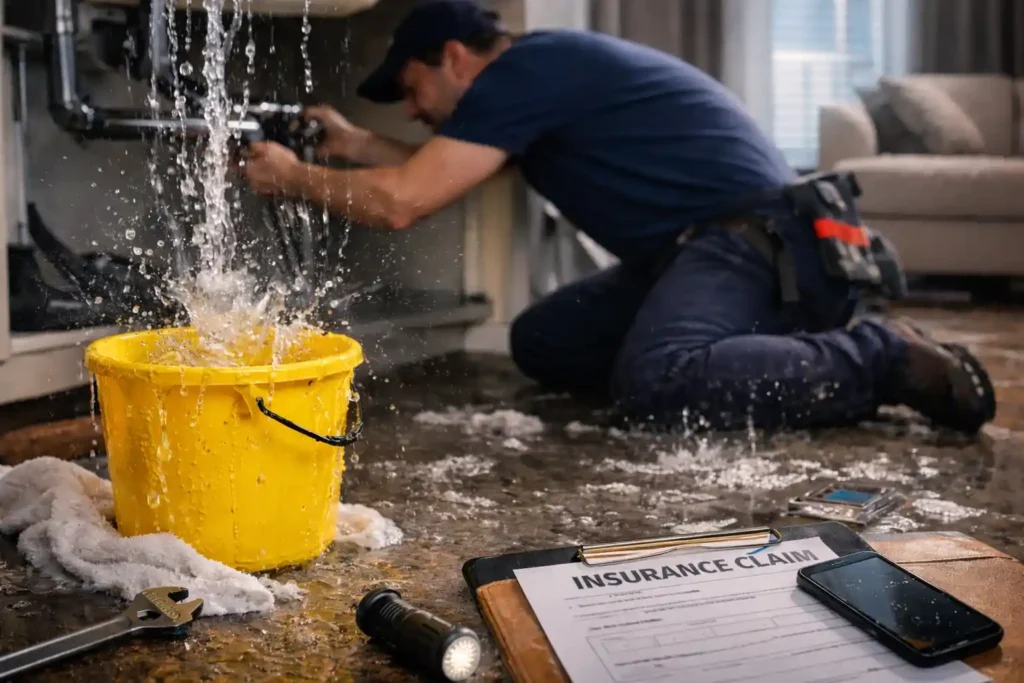
Imagine waking up to the sound of rushing water. For a homeowner, that is the moment of an Emergency Burst Pipe Repair alert. The kitchen floor is turning into a mini-Lake Perth. The only thing on your mind is Emergency Burst Pipe Repair. It’s a homeowner’s nightmare: something you never expect to happen – until it does. For an Emergency Burst Pipe Repair, every second counts. In Perth, any burst pipe can quickly become an Emergency Burst Pipe Repair scenario. Our weather can surprise us with sudden cold snaps or heavy storms, and sometimes plumbing fails at the worst times. When water starts gushing through your ceiling, remember: calm action is key. Let’s break down exactly what to do, who to call, and how to stop the flood. What Is a Burst Pipe Emergency? An emergency burst pipe means a water pipe has cracked or split open suddenly, sending water gushing out violently. This isn’t a slow drip or a minor leak – it’s an indoor fountain gone wrong. Pipes can burst for various reasons: freezing water expanding (even Perth can get surprise frosts), old corroded pipes giving way, tree roots pushing into underground drains, or even a spike in water pressure. Imagine turning on your tap and instead of a gentle stream, water blasts out from a hole. Common warning signs include: Speaking from experience, I once ignored a surging water bill – only to wake up to a puddle in the kitchen the next morning. Don’t be like me – you’ll know something’s wrong (and hopefully avoid an Emergency Burst Pipe Repair disaster). Immediate Steps to Take In an Emergency Burst Pipe Repair, first things first: act fast and smart. Here’s what to do immediately: These steps may sound basic, but each one saves you hours of cleanup and thousands in repairs. Seriously – scooping water with the kitchen measuring jug is totally worth it if it keeps your floors dry. Once that’s done, call a professional right away. For Perth locals, search “Emergency Burst Pipe Repair Perth” or dial a plumber you trust. If possible, verify they’re licensed (you can check on the WA government trades portal). Explain your situation clearly – most emergency plumbers will guide you through these steps over the phone and reassure you until help arrives. Why Emergency Response Matters Letting a broken pipe run unchecked is like leaving your front door open during a monsoon. Burst pipes flood rooms in minutes. Imagine a torrent gushing through your living room – soaking carpets, drenching furniture and electronics. Even after you shut the water off, the damage keeps unfolding. Pooled water breeds mould and mildew (and even mosquitoes), while moisture creeping into walls or foundations can cause lasting cracks and rot. When a licensed plumber arrives, they’ll locate the break (sometimes cutting into a wall or floor to reach the pipe). They may then cut out the damaged section and fit a new piece or clamp in its place. After the repair, they’ll turn the water back on and test thoroughly to make sure nothing is still leaking. This stops the flow completely – unlike DIY tapes or gel, which are only temporary. Once dry, they’ll restore everything as much as possible. Getting expert help fast isn’t just about fixing a pipe – it’s about protecting your home and health. For instance, even in cooler Perth winters a tiny leak can trigger mould growth by spring. So if you ever doubt it’s an emergency, remember: calling a plumber quickly means less destruction, fewer secondary problems, and a smaller insurance bill. Sometimes you have to improvise. Use anything on hand – even a saucepan or large bowl – to catch drips and spare your floor from an impromptu swimming lesson. Finding a 24/7 Emergency Plumber in Perth After you’ve stabilized the situation, the next move is to find a plumber who can fix it—now. Perth has plumbing companies on call 24/7 for emergencies. When you ring around, say it’s an emergency burst pipe to get top priority. Ask if they charge after-hours fees (many will, usually $100–$150 extra, but that’s cheaper than a ruined kitchen). Make sure whoever you call is fully licensed. In WA, you can verify a plumber’s registration online. A licensed pro won’t just patch it up; they’ll use safe materials and follow the plumbing code. If possible, verify they’re licensed. You can check the requirements for licensed plumbers in Western Australia on the WA Government website before allowing any emergency repairs to proceed. Once on site, a good plumber will explain your options: sometimes they might do a quick stop-gap fix tonight and plan a full replacement tomorrow, or if they have parts ready they’ll handle it completely. They should give an upfront quote (watch out for surprise upsells!). If they hesistate or seem shady, hang up and find someone else. What to Expect During the Repair For an Emergency Burst Pipe Repair, when the plumber arrives, they’ll locate the break (often by listening or using moisture meters) and then remove the damaged section. They may need to cut into walls or floors to reach hidden pipes. Next, they install a replacement pipe or fitting and seal everything up. Finally, they’ll turn the water back on and test to confirm the leak is gone. Depending on how hard-to-reach the pipe is and the extent of the damage, this can take from an hour or two up to a whole day. But by the end, your home is safe and dry again – and hopefully without a surprise indoor waterfall. The Cost and Insurance Angle Let’s talk money (not fun, but important). Emergency call-outs cost more than a regular appointment, especially late at night. Expect a higher hourly rate and possibly a minimum fee. For example, many plumbers tack on an “after-hours” surcharge (commonly $100–$200) just to drive to you. Once there, simple fixes (say, clamping a pinhole) might only run a few hundred dollars total. But big jobs – think
A Homeowner’s Guide to Kitchen Renovation Service in Perth

Renovating the kitchen is more than just a fresh coat of paint and shiny new appliances—it’s about creating a space that feels right for your daily life. Think of a Kitchen Renovation Service as your home’s personal upgrade squad: designers, builders, plumbers, electricians and more who handle everything from layout to installation. They’re the superheroes of home improvement, tackling the messy and technical bits so you can focus on the fun part—like choosing your island stools or that eye-catching backsplash. You might be surprised: in Perth’s sunny climate, kitchen design often blends indoor and outdoor styles. A great renovation service will recommend materials that handle the WA weather and colours that keep the room bright. Local pros like Ross’s Discount Home Centre have been helping Perth homeowners create kitchens they love since 1973. As they put it, a kitchen reno isn’t just a quick fix—“it’s an investment that adds style, functionality, and value to your space”. By hiring a service you’re tapping into decades of experience and local know-how. Why a Kitchen Renovation Service Is a Smart Investment Hiring a professional Kitchen Renovation Service is often a very smart investment. In fact, Australian data shows kitchen makeovers typically recoup around 60–80% of their cost on resale. For example, spending $30,000 on a mid-range kitchen might boost your home’s value by roughly $18k–$24k (that’s a 60–80% return). Even modest projects pay off: one study noted a $15k regional reno added about $25k in value (67% ROI). Minor remodels still fetch around 40–50% back, according to renovation reports. But it’s not just about numbers. Remember, the kitchen sells the house. A builder notes that kitchen renovations consistently rank as one of the top value-adds to an Aussie home. A bright, functional kitchen makes your whole home feel fresher every day. You’ll enjoy cooking and entertaining more (goodbye cramped layouts and dreary cupboards!), and your house will have a serious “wow” factor when it’s time to sell. In short, hiring a top-notch kitchen renovation service pays dividends in your lifestyle and in your home’s market value. Beyond style, a Kitchen Renovation Service also handles the legal and safety side. In Perth, major structural changes or plumbing/electrical work usually require a building permit. A licensed renovator will take care of these approvals and make sure all tradespeople (plumbers, electricians, carpenters) carry the required WA licences. This way the job stays above board and safe, saving you hassles and headaches. Renovating with a professional kitchen renovation service ensures a cohesive design tailored to Perth’s style. For example, many locals favour clean, contemporary lines or warm wood tones that match our bright, outdoor lifestyle. In fact, the Houzz Australia Kitchen Trends Study reports that 24% of renovators chose a contemporary kitchen and 23% chose a modern look last year. This translates into sleek surfaces, warm accents, and uncluttered layouts. Little touches – gold tapware or creamy taupe cabinetry – make a big impact, and the kitchen island itself continues to be a popular gathering spot. What Services Does a Kitchen Renovation Service Include? The Kitchen Renovation Process (Step by Step) Why Choose a Kitchen Renovation Service Over DIY Thinking of going the DIY route? A full kitchen renovation is a major undertaking, and the wrong move can cost you more in the long run. A dedicated Kitchen Renovation Service makes the process smoother from start to finish. Here are some perks of hiring a professional team instead: It’s like ordering a gourmet meal instead of heating up instant ramen – more work for them, delicious results for you! Costs and Budgeting Renovation costs vary a lot. In Australia, a full kitchen redo might run $15,000–$50,000 or more. A simple facelift (new paint, benchtop and hardware) sits at the low end, while a top-of-the-line reno (custom cabinetry, stone benchtops, designer appliances) reaches the high end. Experts suggest not spending more than about 5% of your home’s value on the kitchen. For perspective, Jonathan Homes notes that Perth projects often fall in the $15k–$40k range. Here’s a rough breakdown for illustration: Project Scope Typical Cost Added Home Value ROI (%) Mid-range Perth kitchen $30,000 ~$18,000–24,000 ~60–80% High-end metro kitchen $70,000 ~$100,000 ~43% Budget-friendly reno $15,000 ~$25,000 ~67% Table: Example kitchen renovation budgets and ROI in Australia. Many kitchen renovation services will share money-saving tips (like reusing your existing kitchen footprint or refacing cabinets) to stretch your budget further. Trends in Australian Kitchen Renovations Australia’s kitchens are embracing a few clear trends. Sustainability is a big one: 95% of renovators include eco-friendly features like LED lighting, water-saving taps and energy-efficient appliances (because long-term savings matter!). Style-wise, neutral palettes still dominate. White is the star – think white walls and cupboards – but moody contrasts (like deep green or black cabinetry) are popping up for visual interest. Natural materials add warmth, too: stone countertops and warm woodgrain finishes bring an organic vibe. Function and storage are trending, too. Open-plan layouts and islands that double as prep space, dining, and storage continue to be sought-after. Houzz found that 53% of renovators added a pantry cabinet (and 27% a walk-in pantry), reflecting our desire for clutter-free kitchens. Smart technology is on the radar as well – think Wi-Fi ovens and smart taps – although it’s still early days (only about 13% have smart appliances so far). Bottom line: the most successful kitchen renovations blend contemporary style with clever function and a dash of personal flair. A good kitchen renovation service will help you incorporate these trends in a way that fits your life and your home. Tips for Choosing the Right Service in Perth Conclusion A professional Kitchen Renovation Service is more than just a contractor—it’s your partner in creating the kitchen you deserve. By hiring experts, you leverage their experience, style sense, and project management to get a result that’s both stunning and durable. In Perth’s competitive market, this translates to better daily living and stronger resale value. You’ve learned how design trends, budgeting, and local regulations come into play.