What Are the Signs You Need Water Pipe Repair Services in Perth?
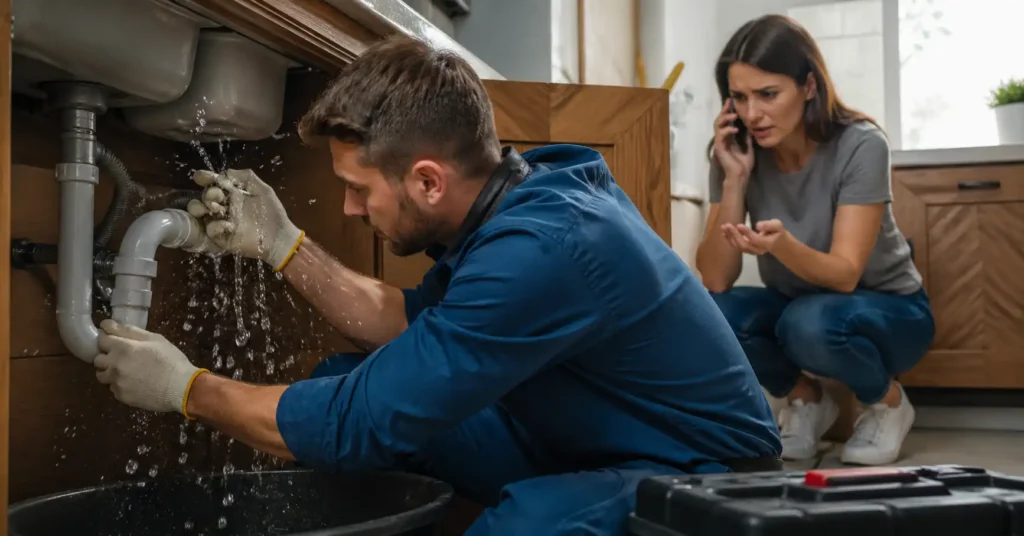
Water problems rarely begin with a dramatic burst. A small damp patch, unusual sound or sudden increase in water use may be the first warning. Knowing these signs early can help Perth homeowners arrange water pipe repair services before a minor fault becomes property damage, water waste or an urgent plumbing problem. Pipes operate every day behind walls, beneath floors and underground. When something changes, it is worth investigating rather than waiting for the problem to become obvious. Early water pipe repair services can help restore reliable water flow and reduce the chance of a more disruptive failure. Why Water Pipe Repair Services Matter A damaged pipe can release water slowly or suddenly, depending on the fault. Small leaks may remain hidden for some time, while a split supply pipe can cause rapid flooding. Water Corporation advises that hidden leaks can occur behind walls, under floors and in other difficult-to-access areas. Unusual bills, dampness and continuously moving meters can all provide useful clues. For Perth households, water pipe repair services may involve locating the leak, assessing the surrounding pipework and deciding whether a section can be repaired or needs replacement. The aim is not simply to stop visible water, but to identify the cause and restore the system properly. Good water pipe repair services also consider the surrounding pipe condition. 7 Signs You May Need Water Pipe Repair Services 1. Your Water Bill Suddenly Increases An unexplained rise in water use is one of the clearest warning signs. If household habits have not changed but your bill is noticeably higher, a leak could be contributing to the increase. The Water Corporation reported in 2025 that close to 15% of Perth homes had a leak on any given day during its study period. That makes unexpected water use worth checking rather than automatically treating it as a billing issue. A licensed plumber can determine whether the source is a fixture, fitting or damaged pipe. If pipework is responsible, water pipe repair services may be required to stop ongoing water loss. Early water pipe repair services can also help prevent a small leak from becoming a larger plumbing failure. 2. Damp or Discoloured Areas Appear Damp walls, ceilings or floors can indicate water escaping from a concealed pipe. Other clues include bubbling paint, peeling surfaces, mould, mildew or a musty smell. Water Corporation lists damp or discoloured spots and mould growth among possible signs of hidden leaks. Drying the surface may remove the visible symptom, but it will not solve the source if water continues to escape. Professional water pipe repair may be needed when inspection confirms that damaged pipework is behind the moisture. In these situations, water pipe repair services should focus on finding the source rather than simply drying the affected surface. 3. You Hear Running Water When Everything Is Off A faint hiss, trickle or rushing sound can be easy to ignore. However, if taps, toilets and appliances are not being used, unexplained water noise deserves attention. The sound may come from pipework inside a wall, beneath a floor or below outdoor paving. Check your meter when no water should be running. If it continues to register use, arrange an inspection. Early water pipe repair services can be particularly useful when the source is concealed and cannot be identified through a basic visual check. 4. Water Pressure Becomes Unusually Low A sudden or persistent drop in water pressure can have several causes, including fixture problems, restrictions, supply issues or a leaking pipe. Low pressure becomes more concerning when it occurs alongside dampness, unusual sounds or higher water consumption. A plumber can assess whether the issue is localised or connected to damaged pipework. For homeowners looking for water pipe repairs Perth, accurate diagnosis matters because repairing the wrong section will not resolve the underlying fault. 5. Water Pools in the Yard or Near Paving Unexpected wet ground can indicate a leaking underground line, particularly when there has been no recent rain or irrigation. Consistently greener grass, soft soil or pooling water should not be ignored. Water Corporation identifies greener-than-surrounding lawn, spongy ground and wet areas that do not dry as possible signs of hidden leakage. Random digging can make the problem worse and may disturb other services. Underground water pipe repair should therefore begin with proper leak identification and an assessment of the pipe’s location. 6. You See Cracks or Damaged Pipework Exposed pipes can develop cracks, corrosion, loose joints or other visible defects. Outdoor pipework can also be affected by impact, movement or general deterioration. A visible defect does not always mean the entire system needs replacing. The appropriate solution depends on pipe material, age, location and the condition of surrounding sections. Where the damage is isolated, damaged water pipe repair may restore the affected section without unnecessary replacement. A local repair may be suitable when the fault is isolated and surrounding pipework remains sound. Water pipe repair services can help assess that distinction. 7. A Pipe Suddenly Bursts A burst pipe needs a much faster response than a minor drip. Large volumes of water can quickly affect floors, walls, cupboards, ceilings and outdoor areas. If a pipe bursts, shut off the main water supply if it is safe and accessible. Move valuables away from affected areas and contact a licensed plumber. Avoid opening walls or excavating underground lines yourself. Burst water pipe repair should follow an assessment of the failed section so the underlying fault is properly addressed. What Can Cause Water Pipe Problems in Perth? Different properties experience different pipe faults. Common causes include: Older homes may be more vulnerable because plumbing materials and fittings can deteriorate over time. Water Corporation also notes that old plumbing, worn fittings and tree roots can contribute to leaks in older properties. The cause matters because a repair should address more than the water that happens to be visible. If the source is not correctly identified, the problem can return. How Professionals Handle Water Pipe Repair Services A professional inspection
What Are the Benefits of Using a Professional Gas Fitting Service?

Gas is an efficient choice for cooking, hot water and heating, but every connection, appliance and pipe needs to be installed and maintained correctly. A professional gas fitting service helps Perth property owners manage gas systems safely, legally and efficiently while reducing the risk of faults caused by incorrect work. A professional gas fitting service is not simply about connecting an appliance. It can involve assessing the existing system, selecting suitable components, installing or altering gas lines, testing for leaks and checking that the completed work meets applicable requirements. For Perth homes and businesses, using qualified tradespeople supports compliant gas work. What Does a Professional Gas Fitting Service Include? A professional gas fitting service can cover a range of tasks depending on the property, appliance and type of gas installation. Typical work may include: The exact scope depends on the gasfitter’s authorisation and the work involved. In Western Australia, Building and Energy states that gasfitting includes work connected with the installation, removal, replacement, alteration, maintenance or repair of a gas installation. Why Use a Professional Gas Fitting Service in Perth? 1. Improved Gas System Safety The first benefit of a professional gas fitting service is safer work. Gas systems must be gas-tight, and poor connections, damaged pipework or incorrectly installed appliances can create serious hazards. A qualified gasfitter understands how gas lines, fittings, valves, regulators and appliances should be installed and tested. They can also identify poor ventilation, damaged components or incorrect connections. Western Australian guidance advises consumers to use a licensed gas fitter for gas installations, repairs and renovations. The government also warns against DIY or unlicensed gas work because it can create risks to occupants and the wider community. 2. Compliance With WA Requirements Gas work is regulated in Western Australia, so compliance is an important reason to choose a licensed gas fitter. A professional gas fitting service should be carried out by someone with the appropriate authority for the type of work. Building and Energy explains that licensed gasfitters must comply with the Gas Standards Act 1972 and the Gas Standards (Gasfitting and Consumer Gas Installations) Regulations 1999. This framework helps ensure gas work is performed by people with the required competency. Before work begins, check credentials. The WA Government provides an online service to verify licensed tradespeople. 3. Correct Gas Appliance Installation Homes can contain cooktops, ovens, hot water systems, heaters and other gas appliances. Each has installation requirements that should be followed carefully. A professional gas fitting service takes account of the appliance manufacturer’s instructions, location, ventilation and connection requirements. This matters because an appliance can appear to operate normally while still having an unsafe installation. Building and Energy states that gas appliances must be installed in a suitable location and in accordance with the manufacturer’s instructions or recommendations. Professional installation therefore involves more than simply connecting the appliance to a gas line. 4. Reliable Gas Pipe Installation Gas pipework forms the foundation of a gas system. When a new appliance is added or a property is renovated, existing pipework may need to be extended, altered or replaced. A professional gas fitting service can assess whether existing pipework is suitable for proposed work, including pipe sizing, connections, routing and pressure requirements. Correct installation helps appliances receive the gas supply they need. Poorly planned alterations may contribute to pressure problems, leaks or unreliable performance. 5. Faster Gas Leak Detection and Repairs A gas smell should never be ignored. A leak may originate from an appliance connection, fitting, pipe or another part of the installation. Finding the source can require specialist knowledge and appropriate testing methods. Professional gas leak detection can help identify the location of a fault without relying only on visible signs. Once the problem is identified, gas fitting repairs can address the affected component and restore the installation to a safe condition. For more information on identifying and responding to gas-related faults, see the gas fitting and gas leak repairs service page. 6. Better Appliance Performance Correct installation and maintenance can support consistent appliance operation. A gas cooktop, heater or hot water system that has an installation fault may show symptoms such as poor performance, unusual operation or repeated shutdowns. A professional gas fitting service can investigate these issues rather than replacing an appliance immediately. A qualified gasfitter can determine whether the problem relates to the appliance, connection, pipework or another system component. Professional Gas Fitting Service vs DIY Work Gas work is not an area where trial and error is appropriate. Western Australian requirements place gasfitting work within a regulated framework, and the person carrying out the work must have the appropriate licence or permit for the relevant scope. Area Professional gas fitting DIY or unqualified work Safety assessment Considers installation, connections and appliance requirements May overlook hidden risks Leak testing Uses appropriate professional testing methods Testing may be incomplete Compliance Work is performed within applicable licensing requirements May not meet WA requirements Appliance installation Follows manufacturer requirements and relevant standards Incorrect connection is possible Repairs Faults can be diagnosed and rectified systematically Problem may remain unresolved Documentation Required notices may be provided for applicable work Compliance documentation may be missing The difference is particularly important because gas installations must be gas-tight. Building and Energy states that there is no allowable leakage rate for gas installations in Western Australia. What Should Perth Property Owners Check Before Hiring a Gas Fitting Service? Choosing a professional gas fitting service involves more than comparing prices. Before work begins, property owners can check: The WA gas safety guidance also recommends using a licensed gas fitter and explains the requirements around gasfitting work. When Is Gas System Maintenance Worth Considering? Gas system maintenance is useful when an installation is aging, an appliance is behaving differently, or a property has undergone changes. Maintenance can help identify worn components, damaged connections and other issues before they develop into larger faults. A gas fitting service may be relevant when a gas appliance is installed or replaced, pipework is altered, a
How Do I Know If I Need Blocked Drain Clearing? Proven Signs Your Southern River Home Needs Help in 2026
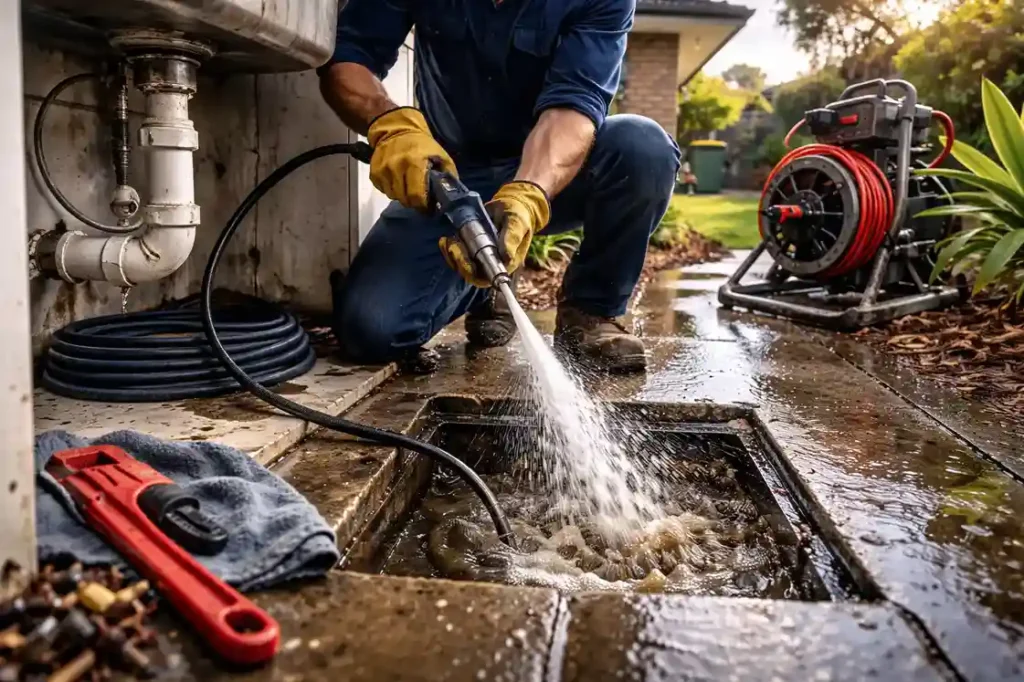
How Do I Know If I Need Blocked Drain Clearing? Proven Signs Your Southern River Home Needs Help in 2026 Blocked drain clearing is usually required when water drains slowly, unpleasant smells appear, or wastewater starts backing up around your home. If you notice gurgling pipes, recurring blockages, or overflowing drains in Southern River, the issue may need professional attention before it leads to further plumbing damage. Drain problems often begin with small warning signs that are easy to overlook. A slow-draining shower or kitchen sink may seem like a minor inconvenience, but it can indicate a deeper restriction inside your pipework. Acting early can help prevent larger issues and unexpected repairs. Common Signs You May Need Blocked Drain Clearing Many homeowners only think about their drains when a blockage becomes severe. However, your plumbing system often provides warning signs before a complete blockage occurs. Some common signs include: If you notice these issues around your Southern River property, it may indicate a blockage somewhere within your drainage system. The cause could be built-up debris, tree roots, grease, foreign objects, or damaged pipework. Homes throughout Southern River and nearby Perth suburbs such as Canning Vale and Harrisdale can experience drainage problems due to ageing plumbing systems, landscaping changes, and underground pipe issues. Identifying the cause early can reduce the chance of more serious problems developing. What Causes Blocked Drains Around Southern River? Drain blockages can develop for many reasons, and the cause is not always obvious. Some problems build slowly over time, while others happen suddenly due to a major obstruction. Tree Root Growth Into Pipes Tree roots are one of the most common causes of underground drainage problems. Roots naturally search for moisture and can enter small cracks or joints in pipes. Over time, this growth can restrict water flow and create repeated blockages. Properties with established gardens around areas such as Gosnells, Thornlie, and Huntingdale may experience issues caused by nearby trees and underground root systems. Grease, Food Waste and Build-Up Kitchen drains often become blocked when oils, fats, and food scraps are washed down sinks. These materials can stick to the inside of pipes and gradually reduce the available space for water flow. Even small amounts of grease can combine with other debris and create stubborn blockages over time. Hair, Soap and Bathroom Waste Bathroom drains commonly collect hair, soap residue, and personal care products. When these materials combine inside the pipe, water can begin draining slower until a blockage forms. Regularly cleaning drain covers can help reduce the amount of debris entering your plumbing system. Damaged or Older Pipework Cracked pipes, collapsed sections, or poor drainage installation can contribute to ongoing issues. In some cases, simply removing the blockage may not solve the underlying problem. A professional inspection can determine whether the issue is a simple obstruction or a larger drainage concern. Why DIY Drain Cleaning Does Not Always Solve the Problem Many homeowners attempt to fix blocked drains using store-bought chemicals or basic tools. While these methods may work for small surface issues, they often do not address deeper blockages inside underground pipes. Chemical drain cleaners can also be unsuitable for certain plumbing systems if used incorrectly. They may temporarily improve drainage while leaving the main cause unresolved. For minor drainage problems, you can try: If the problem continues, professional blocked drain clearing can help locate the exact cause and restore proper water flow. How Professionals Complete Blocked Drain Clearing Professional plumbers use specialised equipment to identify and remove drainage problems safely. The process depends on where the blockage is located and what has caused it. A typical drainage assessment may include: Advantage Plumbing & Gas provides drainage solutions for Southern River homes and surrounding Perth areas. The team focuses on identifying the actual cause of the problem rather than only treating the visible symptoms. Maintaining Your Drains to Prevent Future Issues Preventative maintenance can help reduce the chance of unexpected drainage problems. Simple habits around your home can protect your plumbing system. Consider these steps: Homes across suburbs including Piara Waters, Forrestdale, and Seville Grove can benefit from regular drain care, especially where gardens, older pipework, or larger properties increase the chance of drainage issues. Australian plumbing work must comply with the Plumbing Code of Australia and relevant local requirements. Using suitable methods and equipment helps maintain safe and reliable drainage systems. When to Call a Professional You should contact a professional plumber when drainage issues continue despite basic maintenance, affect multiple fixtures, or begin causing water backups. Professional assistance is recommended if you notice: Advantage Plumbing & Gas provides professional blocked drain clearing in Southern River and surrounding Perth suburbs, including areas such as Armadale, Kelmscott, and Maddington. The team can inspect your drainage system and recommend the right solution based on the cause of the blockage. Contact Advantage Plumbing & Gas today for expert advice and professional drainage support. Conclusion Blocked drains often provide warning signs before they become a major plumbing issue. Slow drainage, unusual noises, bad smells, and recurring problems should not be ignored. Understanding the causes of drainage problems can help you take action sooner and avoid unnecessary damage. If you need blocked drain clearing in Southern River, Advantage Plumbing & Gas can help identify the issue and restore your plumbing system. Frequently Asked Questions How do I know if I need blocked drain clearing? You may need blocked drain clearing if you notice slow drainage, overflowing water, unpleasant smells, gurgling pipes, or repeated blockages throughout your home. Can I clear a blocked drain myself? Small surface blockages may be cleared using a plunger or by removing visible debris. If the blockage returns or affects multiple drains, professional assessment is recommended. What causes drains to become blocked? Blocked drains are commonly caused by tree roots, grease build-up, hair, soap residue, foreign objects, and damaged pipes. How can I prevent blocked drains? You can reduce the chance of blockages by avoiding grease disposal down sinks, using drain covers, maintaining
What Plumbing Needs to Be Done During a Bathroom and Kitchen Renovation? Essential 2026 Guide for Southern River
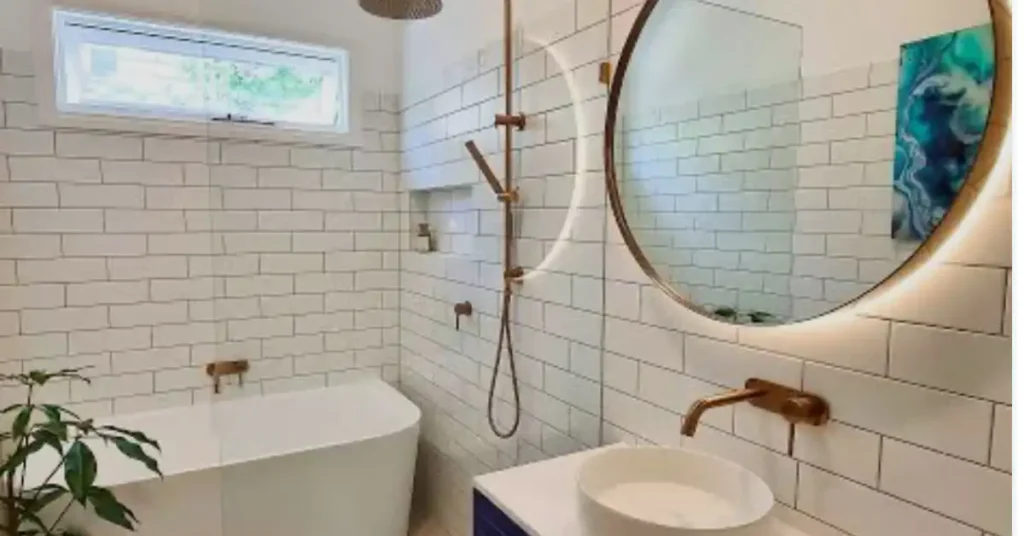
What Plumbing Needs to Be Done During a Bathroom and Kitchen Renovation? Essential 2026 Guide for Southern River A Bathroom and Kitchen Renovation in Southern River often requires changes to water supply pipes, drainage, fixture connections and appliance plumbing. A licensed plumber can inspect the existing system, prepare new plumbing points and install fixtures correctly. Planning this work early helps prevent leaks, drainage problems and costly changes once cabinets, walls or tiles are finished. Plumbing is easy to overlook when you are choosing new tiles, cabinetry, benchtops and fixtures. However, what sits behind the walls and beneath the floor can determine how well your renovated kitchen or bathroom works. Why Plumbing Planning Should Happen Early Before demolition starts, decide where major fixtures and appliances will go. Moving a toilet, shower, vanity or kitchen sink can require changes to both water supply and waste pipes. This is particularly relevant when renovating established homes in Southern River or nearby Canning Vale. Existing pipe locations may limit your new layout unless plumbing alterations are planned before other trades begin. Early planning also allows your plumber, builder, cabinetmaker and tiler to work from the same layout. It reduces the risk of discovering that a new vanity, kitchen island or appliance does not line up with the required plumbing points. What Plumbing Is Required for a Bathroom and Kitchen Renovation? The exact work depends on the age of your property, its existing plumbing and how much you want to change the layout. A Bathroom and Kitchen Renovation may involve anything from replacing existing fixtures in the same positions to rerouting significant sections of water and drainage pipework. Water Supply Pipework Your taps, shower, bath, toilet cistern and kitchen appliances need suitable water connections. If fixtures are moving, your plumber may need to extend or reroute the existing water supply. Homes being renovated in Harrisdale and Piara Waters may have relatively modern plumbing, but that does not automatically mean the existing locations suit a redesigned room. The plumbing still needs to be checked against the proposed layout. Drainage and Waste Pipes Every sink, basin, shower and toilet needs an appropriate waste connection. Drainage requires more than simply running a pipe to the nearest outlet. Pipe sizing, positioning and fall all affect how wastewater moves through the system. If you are substantially changing a bathroom layout in Huntingdale or Gosnells, for example, relocating fixtures can require alterations below the floor or within walls. This should be assessed before waterproofing and tiling begin. Taps, Sinks and Bathroom Fixtures Installing new fixtures is another major stage of renovation plumbing. Depending on your design, this can include: Advantage Plumbing & Gas can assess the proposed fixture positions and existing plumbing before installation. This helps identify potential compatibility or access problems while they are still easier to address. Should You Move Plumbing During a Renovation? You can often relocate plumbing, but just because something can be moved does not always mean it should be. Keeping a kitchen sink or toilet close to its existing position may simplify the renovation. However, moving plumbing can make sense when the current layout is impractical or prevents you from using the space effectively. For homes in Thornlie and Maddington, renovations can sometimes involve updating older room layouts to better suit modern households. A plumber can explain what changes are practical once the existing pipework and drainage have been inspected. Do not finalise cabinetry or fixture locations based only on appearance. Confirm the plumbing requirements first. Check Existing Pipes Before Covering Them Renovation work creates an opportunity to inspect plumbing that is normally hidden behind walls, cabinets or flooring. Look for signs such as corrosion, previous repairs, moisture damage or deteriorated connections. If a section of pipe is already showing problems, dealing with it while the area is open can be more practical than repairing it after new finishes have been installed. This can be particularly useful when updating older properties around Armadale, Kelmscott and Seville Grove. The age of a house alone does not tell you whether pipes need replacing, so an inspection is more useful than automatically replacing everything. Don’t Forget Your Hot Water Requirements Your renovation plans may change how your household uses hot water. A larger shower, additional bathroom or different tapware can affect demand. A plumber can check whether your existing hot water system and pipework are suitable for the proposed fixtures. This is also a good time to discuss any existing problems with inconsistent temperature, slow hot water delivery or poor flow. Homeowners undertaking renovations in Forrestdale or Camillo should consider this before selecting fixtures rather than discovering performance issues after installation. Plumbing Must Work With Waterproofing Bathroom plumbing and waterproofing need to be carefully coordinated. Once pipe penetrations, wastes and fixtures are positioned, waterproofing must be completed correctly before tiles and final fixtures are installed. Wet-area construction in Australia is subject to requirements under the National Construction Code and applicable Australian Standards. Plumbing work must also comply with relevant Western Australian requirements and be completed by appropriately licensed trades where required. This is one area where shortcuts can create expensive problems. Water escaping behind tiles or into adjoining rooms can damage cabinetry, plaster, flooring and structural materials. A Practical Renovation Plumbing Checklist Before your Bathroom and Kitchen Renovation reaches the construction stage, work through these steps: This process can help homeowners in Martin, Langford and Ferndale coordinate plumbing with the other trades involved in the project. Can You Handle Any Renovation Plumbing Yourself? You can make plenty of renovation decisions without a plumber. You can compare fixture styles, plan storage, choose finishes and think about how you want to use the room. However, regulated plumbing work should be left to an appropriately licensed plumber. Incorrect connections can cause leaks, drainage issues and water damage, while some plumbing work must meet specific regulatory requirements. If you are renovating in Leeming, Riverton or Cannington, speak with a plumber before assuming an existing connection can simply be moved or altered. An
Why Are Professional Gas Leak Repairs Important for Home Safety?
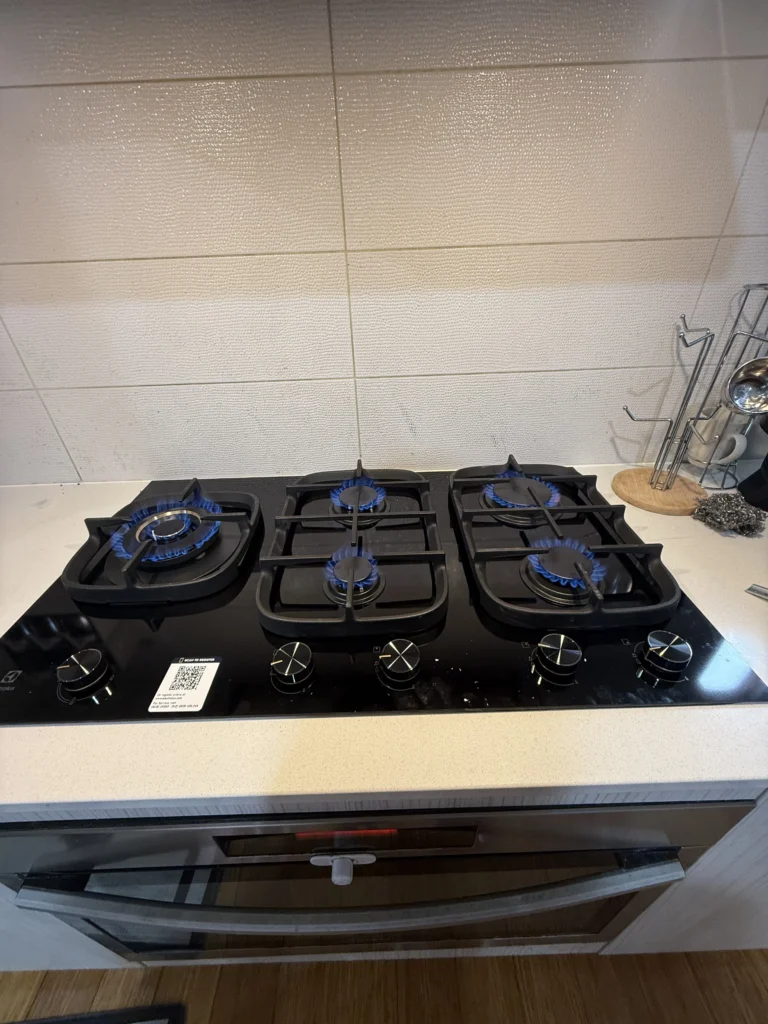
Gas is a practical energy source for many Perth homes, but a damaged pipe, faulty connection or poorly operating appliance can create a serious safety concern. Gas leak repairs should therefore never be treated like an ordinary household maintenance job. A suspected leak needs to be identified, isolated and repaired correctly by an appropriately licensed professional. A gas smell, unusual hissing sound, damaged gas pipe or appliance that is not operating normally can all warrant further investigation. Acting early can help reduce the risk of fire, explosion, carbon monoxide exposure and damage to the property. For Perth homeowners, professional gas leak repairs are particularly important because gas installations need to be maintained and worked on according to Western Australian requirements. Understanding what causes leaks, how professionals locate them and what to do when one is suspected can make a significant difference to household safety. What Causes Gas Leaks in Perth Homes? Gas leaks can develop for several reasons. Some problems are obvious, while others can remain hidden inside a wall, beneath flooring or around an appliance connection. Common causes include ageing pipework, loose fittings, damaged flexible connections, corrosion, accidental damage and faults around gas appliances. Changes to a property, renovations and unapproved modifications can also affect an existing gas installation. Outdoor gas lines may be exposed to weather, physical impact or gradual deterioration. Indoor connections can also become problematic when appliances are moved, replaced or incorrectly connected. Regular gas leak detection can help identify problems before they become more serious. However, a homeowner should never attempt to dismantle a gas appliance or repair a gas pipe simply to investigate a suspected leak. What Are the Warning Signs of a Gas Leak? Gas supplied to homes is given a distinctive odour to help people notice a leak. The Western Australian Government states that a gas smell in the home is not normal and may indicate a hazard. Other warning signs can include: A smell does not tell you exactly where the leak is located. Gas can move through cavities and enclosed spaces, meaning the source may be some distance from where the odour is noticed. This is why gas leak detection service work should be carried out using suitable equipment and safe testing procedures rather than guesswork. Why Are Professional Gas Leak Repairs Safer Than DIY Work? Gas systems require specialist knowledge. A person may be able to identify a loose-looking fitting, but that does not mean they can safely determine whether the entire installation is sound. Professional gas leak repairs involve more than simply tightening a connection. A qualified gas fitter needs to consider the condition of the pipework, appliance connections, valves, ventilation and other parts of the installation. There is also an important compliance issue. Gasfitting work in Western Australia is regulated, so homeowners should use an appropriately authorised person for gas work. DIY repairs can create additional problems if the original fault is misdiagnosed or a connection is disturbed incorrectly. A temporary-looking fix may also allow gas to continue escaping from another part of the system. Professional gas leak repair service work provides a more controlled approach because the technician can identify the source, isolate the affected section and determine the appropriate repair. How Does Professional Gas Leak Detection Work? A professional gas leak inspection normally starts with a safety assessment. The technician considers the reported symptoms, checks the surrounding area and identifies immediate hazards. Suitable detection equipment can then be used to locate the likely source. Depending on the installation, the process may involve checking pipework, appliance connections, valves and other components. Once the source has been identified, the technician can determine whether the issue involves a connection, pipe, appliance or another component. This approach is more reliable than replacing random parts. Accurate gas pipe leak detection can help reduce unnecessary disturbance to walls, floors or cabinetry because the repair can be focused on the affected area. What Happens During Gas Leak Repairs? The exact process depends on the type and location of the fault. However, professional gas leak repairs generally follow a logical sequence. First, the gas supply and immediate surroundings are assessed. The affected section may need to be isolated so the technician can work safely. The leak is then located and the faulty component is examined. Depending on its condition, the repair may involve replacing a damaged fitting, repairing or replacing pipework, correcting a connection or addressing a faulty appliance. After the physical work is completed, appropriate checks are carried out to confirm that the installation is safe and operating as intended. The important point is that gas leak repairs should address the cause of the problem rather than simply hiding the visible symptom. What Should You Do If You Suspect a Gas Leak? If you smell gas inside your Perth home, treat the situation seriously. Do not try to find the leak by switching appliances on and off or using electrical equipment around the suspected area. Western Australian Government guidance recommends turning off the gas supply if possible, evacuating when necessary, removing ignition risks, ventilating the building and not re-entering until it is safe. For detailed local guidance, see the WA Government’s Gas Safety at Home information. Once the immediate danger has been addressed, an appropriately licensed professional can investigate the installation and determine whether emergency gas leak repair work is required. If there is an immediate threat to life or property, contact emergency services on 000. How Do Gas Leak Repairs Protect Indoor Air Quality? A gas leak is not only a fire concern. Problems involving gas appliances can also be associated with combustion and ventilation issues. Carbon monoxide is particularly concerning because it has no colour, taste or smell. WA Government guidance notes that poorly maintained or incorrectly used gas appliances, particularly where ventilation is inadequate, can contribute to carbon monoxide risks. This means gas leak repairs should not be considered separately from the overall condition of the gas installation. A professional assessment can identify whether pipework, appliance connections or
How Can Pipe Leak Detection Services Prevent Costly Water Damage?

Water leaks can develop behind walls, beneath floors or underground without obvious signs. In Perth, pipe leak detection services can help identify hidden water loss early, reducing the risk of structural damage and expensive repairs. Early detection also helps property owners understand where a leak is occurring before moisture spreads to surrounding materials. Using pipe leak detection services can support a more targeted repair while helping minimise water wastage and unnecessary property disruption. Why Pipe Leak Detection Services Matter for Perth Properties Water Corporation advises Perth customers that unexpected increases in water use can indicate a leak. Its current guidance also provides a simple meter-based leak test. This is a useful first check, but a meter reading cannot normally identify the exact failed section. That is where pipe leak detection services become useful. A dripping tap is easy to notice. A concealed leak is not. Water may escape into a wall cavity, beneath a floor, around a foundation or through outdoor soil without producing an obvious puddle. By the time staining or dampness becomes visible, the leak may have been present for some time. Common warning signs include: How Pipe Leak Detection Services Find Difficult Problems The purpose is to narrow down the likely source so the repair can be planned with less guesswork. Depending on the property, pipework and symptoms, a technician may use acoustic equipment, pressure testing, thermal imaging, moisture assessment or tracer methods. Acoustic equipment can detect sound associated with pressurised water escaping from a pipe. Pressure testing can show whether an isolated section is losing pressure. Thermal imaging can be helpful around hot-water pipework because escaping water may create a temperature difference. However, a thermal image is a diagnostic clue rather than automatic proof of a leak. Combining observations and test results generally provides a stronger basis for locating the problem. This is the practical role of non-invasive leak detection: investigate concealed pipework while limiting unnecessary disturbance to walls, tiles, floors or landscaping. It does not mean every leak can be found or repaired without access; some faults still require opening or excavation. Hidden Pipe Leak Detection Can Reduce Unnecessary Damage Accessing a leak can sometimes create almost as much disruption as the original fault. If a wall, tiled area or driveway is opened simply to search for a problem, additional restoration may be required. Hidden pipe leak detection aims to identify the most likely location before destructive access is considered. This can be valuable where pipes run behind finished walls, beneath concrete slabs or below established gardens. The important point is accuracy. A damp patch does not always sit directly above the failed pipe because water can travel through building materials or soil. Targeted testing can therefore help distinguish the visible symptom from the likely source. Comparing Detection Approaches Approach Where it can help Main advantage Important consideration Visual inspection Accessible pipes, fittings and surfaces Quick first assessment Cannot see concealed pipework Acoustic testing Pressurised water lines Can help pinpoint leak sounds Background noise can affect results Pressure testing Isolated pipe sections Indicates pressure loss Requires suitable system isolation Thermal imaging Hot-water pipe areas and moisture patterns Shows temperature differences Images need skilled interpretation Tracer methods Difficult or very small leaks Can help identify escape paths Method must suit the plumbing system The Cost of Ignoring a Leak Without Pipe Leak Detection Services A slow leak can seem harmless because it does not immediately flood a room. The problem is that its effects can accumulate. There is the cost of wasted water, followed by the possibility of property damage. Persistent moisture may affect plasterboard, flooring, insulation, cabinetry and finishes. Damp conditions can also contribute to mold-related problems if they remain unresolved. Water Corporation states that leaks can lead to higher bills or property damage and reports that around 30% of Perth homes have a water leak each year. That makes water leak detection services relevant not only after visible damage appears, but also when a property owner notices a change in normal water use. Pipe leak detection services can then help narrow down the source. Underground Pipe Leak Detection and Pipe Leak Detection Services Outdoor plumbing faults can be particularly difficult to trace. A pipe may sit beneath paving, soil, garden beds or a driveway, while escaping water travels away from the actual break before reaching the surface. Underground pipe leak detection can help narrow the affected section before excavation. Pressure behaviour, acoustic information, surface moisture and knowledge of the pipe route can all contribute to the assessment. Perth’s water-use monitoring also provides another layer of awareness. Water Corporation’s smart meter programme gives participating customers greater visibility of hourly water use and possible leaks. The organisation explains that continuous flow when water-using fixtures are switched off can be a useful warning sign. For Perth properties that need further plumbing assistance, the Advantage Plumbing & Gas service page provides information about available plumbing support. Residential Pipe Leak Detection with Pipe Leak Detection Services Residential pipe leak detection often starts with a simple question: has something changed? A sudden rise in water use, a damp cupboard, an unusual floor temperature or a persistent sound near a wall can justify further investigation. Homeowners should avoid making large openings based only on a guess. Instead, record where and when the symptom appears, check the meter where appropriate and arrange an assessment if the cause remains uncertain. This approach can also help after a previous plumbing repair. If moisture returns near an old repair, the cause could be another pipe section, a connection or a separate source of water. Water pipe leak detection helps investigate the system rather than assuming the first repair was responsible. Commercial Leak Detection Services and Pipe Leak Detection Services Businesses face a different set of plumbing risks. Offices, restaurants, retail sites, warehouses and other commercial properties may have multiple amenities, irrigation systems, kitchens, plant areas and longer pipe runs. Commercial leak detection services can be useful when water use does not match normal business
How Can a Kitchen Renovation Service Improve Perth Homes?

A functional kitchen should make cooking, cleaning and storage easier, not create unnecessary movement or clutter. A kitchen renovation service can improve an outdated space by addressing layout, storage, lighting, appliance placement and everyday workflow. In Perth homes, thoughtful kitchen renovation service planning can also consider available space, ventilation, natural light and how the kitchen connects with nearby living areas. This approach helps create a practical kitchen that supports everyday household needs. What Does a Kitchen Renovation Service Change? A kitchen renovation service can improve functionality by assessing the whole room rather than replacing individual cabinets or finishes. This includes the position of the sink, cooktop, oven, refrigerator, preparation surfaces, storage and circulation paths. A practical renovation starts with how the kitchen is used. Someone who cooks most evenings may need generous preparation space, while a household that entertains may value better serving access and open circulation. The goal is not simply a modern kitchen design. It is a room where everyday tasks can be completed comfortably, safely and with less wasted effort. Better Kitchen Layout and Space Planning One of the biggest functional improvements comes from changing the layout. Poor positioning can force people to walk repeatedly between the refrigerator, sink, cooktop and preparation areas. An efficient kitchen layout keeps related activities within convenient reach. Kitchen space planning should also consider door openings, drawers, walkways and appliance clearances. An island may work well in a large room but restrict circulation in a smaller one. Common layouts include single-wall, galley, L-shaped and U-shaped arrangements. The best option depends on the room rather than a trend. A kitchen renovation service can assess the existing footprint and determine whether moving work zones would genuinely improve daily use. Improved Storage and Accessibility Storage is another area where kitchen renovation can make a noticeable difference. Older kitchens may have deep cupboards, awkward corners or limited drawer space, making everyday items difficult to organise. Modern kitchen design can place storage according to frequency of use. Pots and pans can sit near the cooking area, preparation tools near work surfaces, and everyday crockery within easy reach. Useful kitchen storage solutions may include wider drawers, adjustable shelving, pantry systems, corner storage and dedicated appliance spaces. The objective is to make contents visible and accessible without filling every benchtop with loose items. A kitchen renovation service can help identify storage features that solve genuine problems rather than simply adding more cabinetry. Better Work Zones for Everyday Tasks A functional kitchen is easier to use when preparation, cooking, cleaning and storage work together. A preparation zone needs sufficient uninterrupted surface area. The cooking zone should provide convenient access to utensils and ingredients, while the cleaning zone needs usable space around the sink. This approach supports practical kitchen design because each area has a clear purpose. It can also make the room easier for several people to share. Smarter Appliance Placement Appliances can improve or restrict functionality depending on where they are installed. A refrigerator positioned too far from the preparation area may create unnecessary movement. An oven opening into a narrow walkway can affect circulation and safety. During kitchen renovation planning, appliance dimensions, door swings, ventilation requirements and servicing access should be considered before cabinetry is finalised. Integrated or compact appliances can save visual space, but functionality should remain the priority. A streamlined design that leaves too little bench space may not work well every day. Lighting, Ventilation and Comfort Lighting affects food preparation, reading labels and cleaning. A functional kitchen usually benefits from general illumination combined with task lighting over work areas. Natural light should also be considered. In Perth, strong daylight can make a kitchen pleasant, although glare and heat gain may need to be managed through suitable design choices. Ventilation is equally important. Cooking creates heat, moisture and airborne particles, so effective extraction can improve comfort and help reduce cooking residue. A kitchen renovation service should consider the rangehood or exhaust requirements before cabinetry and finishes are completed. How a Kitchen Renovation Service Can Improve Safety Functionality is closely connected to safety. Clear walkways, suitable lighting and sensible appliance positioning can reduce everyday hazards. Electrical and plumbing work require qualified tradespeople. Western Australian Government guidance states that electrical work must be carried out by appropriately licensed people, while water supply, sanitary and drainage plumbing generally needs a licensed plumber. Homeowners can check credentials through the official licence search. The WA Government’s building and renovating guidance provides useful information about homeowners’ rights, responsibilities and requirements when planning renovation work. For larger alterations, approvals may also be relevant. The City of Perth says building permits are generally required for many renovation, alteration or improvement projects, although some minor work is exempt. Requirements depend on the project and local government area, so they should be checked before work begins. A kitchen renovation service that considers these requirements early can reduce the risk of last-minute changes. Comparing Functional Improvements Kitchen area Common problem Functional improvement Everyday benefit Layout Long travel paths Reposition key work zones Less unnecessary movement Storage Crowded cupboards Drawers and pantry storage Easier access to essentials Benchtops Limited preparation area Redistribute work surfaces More comfortable preparation Appliances Poor positioning Review placement and clearances Better flow and safer use Lighting Shadows over work areas Add task lighting Better visibility Ventilation Heat and cooking residue Improve extraction Greater indoor comfort Sink area Congestion Rework sink and drainage position Smoother cleaning Why Kitchen Renovation Planning Matters Good results depend on decisions being made in the right order. Kitchen renovation planning should begin with measurements, household needs and an assessment of the existing room. Record what works and what causes frustration. Are cupboards difficult to access? Is there enough preparation space? Do appliance doors interfere with movement? Is the bin too far from the sink? These observations provide more useful design information than choosing finishes first. A kitchen renovation service can turn those observations into a coordinated layout. Plumbing, electrical points, cabinetry, appliances, lighting and surfaces should be considered together
Essential 2026 Guide to a Successful Bathroom and Kitchen Renovation in Southern River

Essential 2026 Guide to a Successful Bathroom and Kitchen Renovation in Southern River A Bathroom and Kitchen Renovation requires properly planned water lines, drainage, waste connections, fixture positioning and appliance plumbing. In Southern River, getting the plumbing sorted before walls, tiles and cabinetry are finished can prevent leaks, drainage issues and costly rework while helping your renovated spaces function reliably for years. Why Plumbing Planning Matters Before Renovating Bathrooms and kitchens contain some of the most important plumbing systems in your home. Moving a sink, shower, toilet or appliance can affect water lines and waste pipes hidden behind walls or beneath floors. Before demolition begins, it is worth checking where existing pipes run and whether they suit your proposed layout. This is particularly important for established homes across Southern River, Canning Vale and Huntingdale, where previous renovations or ageing plumbing may influence what can be reused. Keeping fixtures close to existing plumbing points can also simplify the renovation. However, your preferred layout should still be assessed properly rather than assuming every existing connection is suitable. What Plumbing Is Needed for a Bathroom and Kitchen Renovation? The plumbing required for a Bathroom and Kitchen Renovation depends on the condition of your existing system, your new layout and the fixtures you plan to install. Typical plumbing work can include: For homeowners in Harrisdale and Piara Waters, planning these stages early can also help plumbers coordinate effectively with builders, cabinetmakers, electricians and tilers. Bathroom Plumbing Requirements Bathroom plumbing usually involves hot and cold water lines, sanitary drainage and connections for showers, toilets, baths and vanities. If you plan to change your bathroom layout, some of these services may need to be repositioned. Moving a toilet can involve more work than changing a tap or vanity position because the sanitary waste connection needs to maintain appropriate drainage. Shower and bath alterations can also require changes beneath the floor. In areas such as Thornlie and Gosnells, established properties may have plumbing that has been altered over the years. An inspection during the early renovation stages can identify ageing fittings, damaged pipes or previous work that needs attention before waterproofing and tiling begin. Kitchen Plumbing Is More Than the Sink Modern kitchens can have several plumbing connections. Along with your sink and mixer tap, you may need connections for a dishwasher, filtered water system, fridge or other plumbed appliance. If your design includes an island bench with a sink, the plumbing should be considered before cabinetry and flooring are finalised. Depending on the property, water and waste pipes may need to travel beneath the floor. For homes in Forrestdale, Seville Grove and Armadale, having existing kitchen plumbing assessed before new cabinetry is installed can reduce the risk of discovering problems after expensive finishes are completed. Understanding the Plumbing Rough-In The rough-in is a critical stage of a Bathroom and Kitchen Renovation. It generally involves positioning water and waste pipes before walls, cabinetry, waterproofing and final fixtures are installed. Accurate rough-in measurements matter because the connections must align with your selected taps, basins, sinks, toilets and appliances. Choosing major fixtures before this stage gives your plumber the product specifications needed to position connections correctly. This approach is equally useful for renovation projects in Camillo and Kelmscott, where changing older room layouts may require existing plumbing points to be relocated. Should You Replace Existing Pipes? Not every renovation requires complete pipe replacement. If the existing plumbing is in good condition, correctly installed and suitable for the new design, some sections may be retained. However, renovation provides an ideal opportunity to inspect pipes that are normally hidden. Corrosion, recurring leaks, low water pressure, slow drains or deteriorated fittings should be investigated before new finishes cover the area. Homes in Maddington, Martin and Langford can vary considerably in age and plumbing configuration. A professional inspection helps determine what genuinely requires replacement rather than changing serviceable pipes unnecessarily. Plumbing Compliance in Western Australia Plumbing work in Western Australia is regulated, and certain water supply, sanitary plumbing and drainage tasks must be completed by appropriately licensed professionals. Renovation work needs to meet applicable requirements under the Plumbing Code of Australia and relevant Australian Standards. These requirements exist to protect drinking water, ensure wastewater is discharged correctly and reduce the risks associated with poor plumbing installation. While you can choose your fixtures, colours and room layout yourself, regulated plumbing work should not become a DIY project. Homeowners across Southern River and the wider Perth area should check requirements before altering water, sanitary or drainage systems. Coordinating Plumbing With Other Renovation Trades Plumbing does not happen independently of the rest of your renovation. Your plumber may need to coordinate with builders, waterproofers, tilers, electricians and cabinetmakers at different stages. For example, rough-in work needs to happen before walls are closed, while final plumbing fit-off occurs after many surfaces and fixtures are ready. Poor scheduling can leave trades waiting or require completed work to be removed. If you are renovating in Cannington or Ferndale, having a clear sequence of work from the beginning can make the project easier to manage and reduce unnecessary disruption. Common Renovation Plumbing Mistakes to Avoid One common mistake is finalising cabinetry or bathroom fixtures without confirming the plumbing locations. A design may look ideal on paper but require significant changes to drainage or water lines once work begins. Another mistake is purchasing fixtures without checking their connection requirements. Toilets, tapware, basins and sinks can differ in how and where they connect. Homeowners in Leeming and Riverton should also avoid ignoring small existing problems during renovation. A minor leak or slow drain is much easier to investigate while walls and floors are accessible than after new tiles and cabinetry have been installed. When to Call a Professional You should involve a licensed plumber early when your renovation requires relocating fixtures, changing drainage, installing water lines or altering existing plumbing infrastructure. Early advice can help determine whether your proposed layout is practical before construction begins. This becomes particularly important when undertaking
Ultimate Stress-Free Guide: How to Clear a Blocked Drain in Southern River 2026
Ultimate Stress-Free Guide: How to Clear a Blocked Drain in Southern River 2026 A blocked drain is usually caused by a build-up of grease, hair, debris, foreign objects, or tree roots restricting water flow through your pipes. You can try simple solutions like removing visible debris, using a plunger, or flushing with hot water, but recurring issues often need professional attention. Blocked drainage problems are common in Southern River homes and across nearby Perth suburbs, including Canning Vale, Harrisdale, and Huntingdale. Understanding the warning signs, common causes, and correct solutions can help you protect your property and prevent more serious plumbing issues. Understanding Common Drain Problems in Southern River Homes Your plumbing system plays an important role in removing wastewater from your kitchen, bathroom, laundry, and outdoor areas. Every day, pipes handle soap, food waste, grease, and other materials that can gradually collect and restrict normal water flow. Many homeowners in Southern River experience drainage issues due to everyday household use, changing weather conditions, and the natural environment surrounding their properties. Homes in areas such as Gosnells, Thornlie, and Armadale may also experience drainage concerns caused by ageing pipework or nearby tree growth. Some common causes of drainage problems include: Identifying the cause of the issue is important because a temporary solution may only provide short-term relief. A proper assessment helps determine whether the problem is a minor obstruction or a deeper plumbing concern. How to Clear a Blocked Drain Safely If you notice slow water flow, unusual sounds from your pipes, or water taking longer to drain, there are a few safe steps you can try before arranging professional assistance. Start by checking the drain area and removing any visible debris. Cleaning drain covers and using a plunger can sometimes resolve minor restrictions by creating pressure that helps move the blockage. For kitchen sinks, carefully flushing the drain with hot water may help loosen small amounts of grease and residue. However, avoid using harsh chemical cleaners too often, as they may damage certain pipe materials and often fail to remove deeper blockages. When the issue is more serious, professional plumbers use specialised equipment such as CCTV drain cameras, electric drain machines, and high-pressure water jetting systems. These methods allow the blockage to be located and removed effectively without unnecessary disruption. Warning Signs Your Drain Needs Professional Attention Some drainage problems may appear minor at first but can quickly become more disruptive if ignored. Recognising the early warning signs allows you to address issues before they lead to water damage or larger repairs. Common signs include: Homeowners in suburbs such as Piara Waters, Forrestdale, and Seville Grove may notice these issues after periods of heavy rainfall, especially where outdoor drainage systems collect leaves, dirt, and other debris. If the same drainage problem keeps returning, it may indicate a deeper issue such as tree roots inside pipes, damaged plumbing lines, or significant internal build-up that requires professional equipment. Professional Blocked Drain Cleaning Solutions in Southern River Professional drainage services focus on finding the reason behind the blockage rather than only treating the visible symptoms. A qualified plumber can inspect the system, identify the issue, and recommend the most suitable solution for your property. Advantage Plumbing & Gas provides drainage assistance for homes throughout Southern River and surrounding areas, helping residents manage everything from minor drainage concerns to more complex plumbing issues. Modern diagnostic equipment, including CCTV drain inspections, allows plumbers to inspect the inside of pipes and identify problems such as cracks, root intrusion, or areas where debris has collected. This technology helps provide accurate solutions while reducing unnecessary work. Whether you are located in Camillo, Kelmscott, Maddington, or nearby Perth areas, professional drainage support can help restore proper water flow and protect your plumbing system. All plumbing work should be completed by qualified professionals in accordance with Australian requirements, including the Plumbing Code of Australia. This ensures drainage repairs and installations are carried out safely and correctly. Preventing Future Drainage Issues Regular maintenance and good household habits can significantly reduce the chance of future plumbing problems. Small changes can help keep your drains flowing properly and minimise unexpected disruptions. Here are some practical prevention tips: Properties across Cannington, Ferndale, Leeming, and Riverton can benefit from routine drain care, especially where older plumbing systems or surrounding vegetation may contribute to drainage problems. Taking preventative steps not only protects your pipes but can also help identify potential issues before they become major plumbing emergencies. When to Call a Professional You should contact a qualified plumber when basic cleaning methods do not solve the problem, when drainage issues keep returning, or when water begins backing up into your home. Professional assistance is recommended if you notice multiple blocked fixtures, sewer smells, overflowing drains, or signs that your pipes may be damaged. These problems often require specialised tools and experience to resolve properly. Advantage Plumbing & Gas provides professional drainage solutions for Southern River and surrounding suburbs, including Harrisdale, Huntingdale, Gosnells, Thornlie, Martin, Langford, and nearby Perth locations. Their team can assess your plumbing system and provide practical solutions designed around your property’s needs. Conclusion Drainage problems can quickly become frustrating when they interrupt your daily routine. Understanding the causes, trying safe solutions, and recognising when professional help is needed can help protect your home and prevent further damage. From Southern River to surrounding areas such as Canning Vale, Armadale, Kelmscott, and Piara Waters, maintaining a healthy drainage system is an important part of keeping your property running smoothly. If you need expert assistance with drainage concerns, Advantage Plumbing & Gas is ready to provide reliable plumbing support and help restore your drainage system. Frequently Asked Questions What causes a blocked drain in Southern River homes? Common causes include grease build-up, hair, foreign objects, tree roots, and damaged pipes. Household habits and environmental factors can also contribute to repeated drainage issues. Can I clear a blocked drain myself? Minor blockages may improve with a plunger, hot water, or removing visible debris. If the
Water Filtration System Perth: Do Homeowners Really Need It?
If you’ve ever filled a glass from the tap, caught a faint whiff of chlorine, and wondered whether you should really be drinking it, you’re not the only one. It’s one of the most common questions we get asked on plumbing jobs across Perth: is a water filtration system actually necessary, or is it something companies push because it’s good business? Fair question. The honest answer is that it depends on where you live, what your water source is, and what problem you’re actually trying to fix. A water filtration system isn’t a one-size-fits-all product, and the right answer for a house in Joondalup with bore-fed irrigation can look completely different to the right answer for an apartment in the city running purely on scheme water. Before we get into that, it’s worth knowing that not every household needs the same setup. Some homes just want better-tasting drinking water, while others are dealing with hard water damaging appliances or bore water that needs treating before it touches anything indoors. If you’re at the point of comparing options, our team can walk you through Advantage Plumbing & Gas’s water filtration services in Perth and recommend something sized to your actual water quality rather than a generic package. Perth’s Water Isn’t as Simple as “Tap Water” Most people assume everyone in the city gets water from the same place, but Perth is a bit unusual. Water Corporation supplies a blend that changes depending on the season and the suburb, drawing from desalination plants, groundwater sources, and dam water. That mix affects taste, hardness, and mineral content, and it’s not identical from Joondalup to Armadale. On top of scheme water, a huge number of Perth homes also run a private bore for the garden. Bore water is a different story altogether. It’s untreated, often high in iron and manganese, and it’s not meant for drinking, but plenty of households end up connecting it to outdoor taps or even garden irrigation without giving it much thought. If that’s you, a home water filtration system designed for bore water treatment becomes a bit more relevant than a standard drinking water filter. There’s also a seasonal element to this that catches people out. The Water Corporation adjusts the desalinated-to-groundwater ratio depending on rainfall and dam levels, which means the same household can notice a change in taste or hardness between winter and summer without anything on their own property changing at all. If you’ve ever wondered why your tap water seemed fine for months and then suddenly tasted different, that’s usually why. This is really the starting point for the whole conversation: your postcode, your water source, and how hard your local supply runs all shape whether a water filtration system makes sense, and if so, which type suits your household. Is Perth Tap Water Actually Safe to Drink? Yes, generally. Water Corporation’s scheme water is treated and monitored to meet the Australian Drinking Water Guidelines, which are set by the National Health and Medical Research Council and used by water regulators across the country. So this isn’t really a safe conversation for most Perth households. What it does come down to is taste, hardness, and how the water affects your appliances and skin over time. That’s where a home water filtration system earns its keep, not by making unsafe water safe, but by making already-safe water better to live with. The Real Reasons Perth Homeowners Look Into a Water Filtration System We install a lot of these systems, and it’s rare because someone read a scary headline. It’s usually one of the following: None of these is emergencies. That’s the key difference between filtration and something like a burst pipe or gas leak. A water filtration system is a quality-of-life upgrade, not a safety fix, and that changes how you should approach the decision. What a Water Filtration System Actually Improves Once a household decides to go ahead, the benefits tend to show up in a few practical ways rather than anything dramatic: None of these is guaranteed to be dramatic, but for households already noticing one or two of the issues above, a properly sized system tends to fix them for good rather than papering over them. Types of Home Water Filtration Systems “Water filtration system” gets used as a catch-all term, but there are a few genuinely different setups, and picking the wrong one is the most common mistake we see. System Type Best For Treats Typical Maintenance Under-sink water filter Drinking and cooking water only Single kitchen tap Cartridges change every 3–6 months Whole-house water filter Homes with hard water or sediment throughout Every tap, shower, and appliance Filter change every 6–12 months Reverse osmosis system Households wanting the cleanest possible drinking water Wide range of dissolved contaminants Membrane change annually, more frequent cartridge checks Water softener Homes with heavy-scale build-up Hardness (calcium and magnesium), not contaminants Salt top-ups plus annual service A quick way to think about it: filters clean the water, while softeners change the water’s hardness. The two aren’t always interchangeable, and buying the wrong one based on marketing alone is easier to do than you’d think. We walk through this distinction with almost every client before recommending anything. Filtration and Your Hot Water System One thing that doesn’t get talked about enough is the relationship between water hardness and your hot water system’s lifespan. Mineral build-up inside a hot water tank reduces efficiency and can shorten the unit’s working life considerably, which is part of why regular servicing matters so much in hard water areas. If you’re already noticing scales on taps and showerheads, there’s a good chance the inside of your tank is accumulating the same build-up, just out of sight. We’ve covered this in more detail in our guide to hot water tank maintenance for Perth homes, which is worth a read if you’re seeing reduced hot water performance alongside hard water symptoms. So, Do You Actually Need One? If you’re on scheme water, generally
Need a Blocked Toilet Plumber? How to Fix a Clogged Toilet

Blockages in toilets can strike anytime, turning your morning routine into a horror show. Maybe you flushed too much paper or the kids flushed their toy car (true story!). Whatever caused it, a blocked toilet is a messy emergency. In this guide, I’ll walk you through DIY fixes and when to call a blocked toilet plumber. We’ll keep it casual (no plumber-speak!), with some humor and real talk. Let’s plunge right in! Why Toilets Clog (The Usual Suspects) Toilets can clog for all sorts of reasons. Here are the most common culprits: Too much toilet paper or wiping – Even regular toilet paper can pack up a bowl if you use a double layer. Wet wipes (even “flushable” ones) and paper towels are worse; they swell and snag pipes. Habitual flushers often shockingly learn the hard way to never flush wipes or pads. Foreign objects – Kids’ toys, cotton buds, dental floss, or grandma’s jewelry can slip into the bowl by accident. These will jam the trap quickly. Sanitary products – Sanitary pads, tampons, and even those tamper-proof toilet fresheners don’t dissolve. Flush them, and they’ll hold on for dear life, gumming up the trap or sewer line. Toilet malfunctions – A faulty or undersized toilet cistern (tank) can leave too little water flow to push waste away. Low-flow or EcoToilets often struggle if overloaded with paper. Tree roots and pipe damage – In Perth, stubborn tree roots and shifting clay soil sometimes crack underground pipes. Roots can pierce old drain lines, creating partial blockages that get worse over time. Or a collapsed pipe (from corrosion or settling soil) will snag anything passing by. Pro Tip: If your toilet keeps clogging repeatedly, it usually means a deeper problem: warped pipes, roots, or damage down the line. In short, toilets are NOT trash cans. Only pee, poo and toilet paper belong down there (and always in moderation). Everything else should go in the bin. Many plumber sites warn that recurring clogs often come from flushing the wrong stuff. Learning what not to flush can prevent hours of frustration later. Quick DIY: How to Unclog the Toilet Yourself Before dialing up a plumber, try these home fixes. (Legally, in WA you’re allowed to clear a blockage with a plunger; anything more complex needs a licensed pro.) Before dialing up a plumber, try these home fixes. (Legally, in WA you’re allowed to clear a blockage with a plunger; anything more complex needs a licensed pro.) For more information about what plumbing work homeowners can do themselves and when a licensed plumber is required, see the WA Government’s guide to plumbing work in your home. Prep the scene. If the bowl is dangerously full, first turn off the water at the isolation tap behind the toilet (or stop the tank fill). You don’t want an overflow flood! If the bowl is moderately full, make sure there’s enough water to cover the head of a plunger. Plunge it good. Use a flange plunger (the kind made for toilets). Position it firmly over the hole, push down gently to seal out air, then pump up-and-down vigorously 10–20 times. The goal is to create suction to yank the blockage loose. After a few pumps, pull straight up sharply. If the clog moves, flush to test. If it still sits there, repeat. A decent plunger often does the trick for minor clogs. Hot water + dish soap. If plunging fizzles out, try this old trick: Pour about a cup of dish soap into the bowl. Let it sit 10 minutes – the soap can lubricate and break down fatty deposits (like grease from baby wipes or oily matter). Then pour 2–3 litres of very hot (not boiling) water from waist height into the bowl. The combination of soap and heat can soften and wash away the blockage. Wait a few minutes and try plunging again. Baking soda & vinegar fizz. Hilton Plumbing (Perth) suggests a fizzy cure: add one cup of baking soda to the bowl, then slowly pour in two cups of white vinegar. Wait a few minutes for the fizzing action, then pour in 3 litres of boiling water. The chemical reaction can sometimes clear minor clogs or clean the pipe lining. (Hint: This is essentially a homemade drain-cleaner; it works best on paper/paste clogs.) Toilet auger (snake). For a tougher clog, a toilet auger (closet snake) can help. Feed the spiral end into the bowl’s outlet and crank the handle. It’ll either break the clog up or hook it. You can buy a manual one from Bunnings. (Be careful: aggressive snaking might scratch your porcelain if you pull it too hard or push at the wrong angle.) Avoid harsh chemicals. Skip store-bought drain cleaners for toilets. Most contain caustic lye or acids that can crack porcelain, dissolve seals, and damage pipes. They can also harm septic or sewer bacteria. Plumbers generally prefer mechanical methods (snakes, jetters) over chemicals for good reason. Quick Safety Note: If flushing fails twice and water starts rising, stop immediately. Don’t keep flushing or you’ll flood. If your DIY attempts aren’t budging the clog, it’s time to call in the experts. When to Call a Blocked Toilet Plumber You’ve tried everything short of breaking the toilet – but that clog ain’t going anywhere. Now it’s time to pick up the phone. Here’s when a blocked toilet plumber is your best ally: Persistent or recurring clogs: If the same toilet blocks again and again (even after you fix it temporarily), there’s probably something deeper. Maybe a soil stack (the main vertical pipe) is partially blocked or cracked. Multiple backups: Drains elsewhere clogging too? If your toilet spillover backs up into sinks, showers or floor wastes, or a bathroom gurgles when you flush the loo, consider it an emergency. That likely means the main sewer line is blocked or damaged. Don’t ignore it – sewage can start leaking into your house or yard. Overflow or sewage smell: If flush makes the bowl
Bathroom Renovation Services Perth: Costs, Tips & Ideas
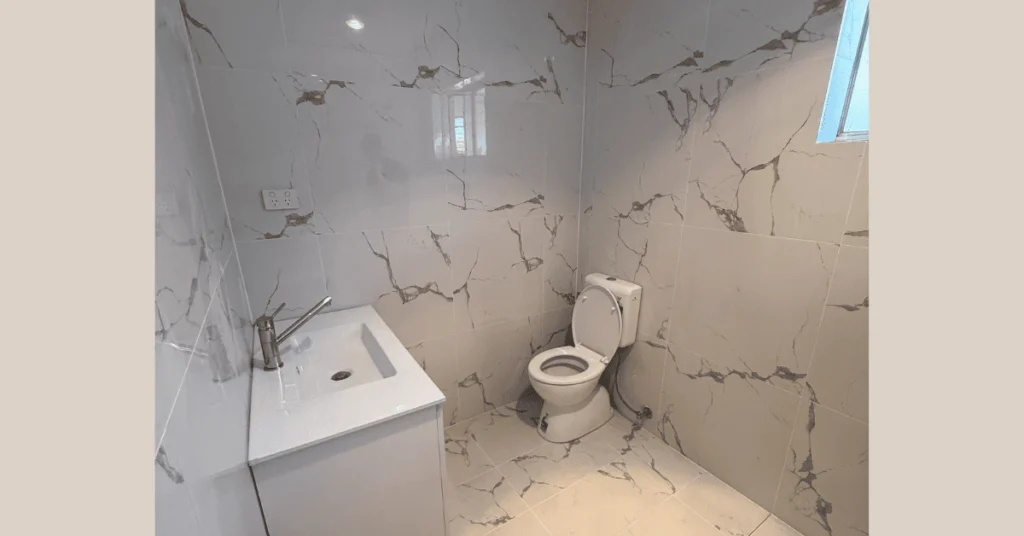
Bathroom renovation Services in Perth can be thrilling – think stepping into a spa-like retreat every morning. But it’s also a big project with lots of moving parts: plumbing, permits, budgets and design choices. So where do you start? First, let’s answer the big one: how much does a Perth bathroom reno cost? Industry data gives us a ballpark. For example, Hipages reports the average Perth bathroom renovation around $15,667, while the Housing Industry Association notes Western Australian projects averaging closer to $26,000 (the gap is due to sample differences – HIA covers bigger jobs, Hipages surveys typical homeowners). Generally speaking, a very basic refresh might start around $8,000–10,000, whereas a high-end full remodel can easily exceed $30,000–$35,000. In practice, costs scale with size and scope. For rough guidance: Renovation Tier Typical Cost (AUD) Scope / Inclusions Budget / Cosmetic $8,000 – $17,000 New tiles/fixtures in existing layout; no major plumbing moves. Mid-Range Full Reno $12,000 – $35,000 New fixtures, tiling, minor layout tweaks, updated fittings. Luxury / High-End $20,000 – $35,000+ Premium finishes (stone, freestanding bath, custom elements), significant layout changes. According to Hipages, a small bathroom (under 6 m²) typically runs $6–10K, a standard bath (6–10 m²) about $10–18K, and large ensuites start around $18K+. Remember, an ensuite often costs 20–30% less than a main bathroom of similar size because materials and time scale, even if hourly rates stay fixed. When comparing Bathroom Renovation Services, it’s important to understand how size, layout, and material choices can significantly affect the overall budget. The biggest cost drivers are often hidden at first glance. Moving plumbing (for example, shifting a toilet or shower drain) is notoriously expensive – we’ve seen jobs where sliding a toilet just 600mm into a new spot added over $3,000 in plumbing and concrete work. Structural changes (knocking out a wall), removing asbestos in older homes, or splurging on top-tier fixtures can all inflate your budget. On the other hand, keeping your layout and walls as-is is incredibly cost-effective. Perth renovators will tell you: if you can tolerate the existing layout, leave the pipes where they are. When to renovate? Seasonality matters in Perth. Trade availability and pricing can dip in autumn, after the busy summer construction rush. If you can book your project for March–May, you might find better dates and rates. Lastly, add a buffer in your budget (about 10-15%) for the unexpected – hidden water damage or other surprises happen in one-in-five renos. Permits, Licensing & Regulations Perth is not Melbourne, and WA has its own rules. The good news: simple like-for-like swaps (new toilet in the same spot, new tile, new vanity in place) usually don’t need council approval. The moment you start relocating walls or pipes, though, you’re in permit territory. Here’s the short version: all plumbing and electrical work must be done by licensed trades. There’s no DIY plumber or sparky exemption in WA. Always ask your tradie for their licence and check the WA Building Commission register to be safe. If your total reno bill exceeds $20,000, WA law requires a registered builder to perform the work and mandates Home Indemnity Insurance (HII) – a homeowner’s protection if the builder dies, disappears, or becomes insolvent. For your part, don’t pay the final bill until you receive that HII certificate from your builder. Another local quirk: the Water Corporation may require a plumbing permit if you move any drainage points (for instance, shifting a toilet or shower waste). Ask your plumber up front if one is needed. And if you are changing the footprint – removing a wall, enlarging a window, or anything structural – you will need a building permit. In-fill renos inside the existing space usually avoid permits, but always double-check with the City of Perth or your local council before work starts to avoid nasty fines. Planning Your Bathroom Renovation Careful planning is the secret sauce. Think of the layout as ground zero: it influences cost, storage, and styling. Keep plumbing in the same spot whenever possible – moving drains is shockingly expensive. Measure your space meticulously: check wall dimensions, door swings and clearances. (I once helped a mate who’d fallen in love with a freestanding tub only to discover it didn’t leave enough room behind the tap wall – yes, measure twice, order once.) Use the National Construction Code clearances as a guide if you’re moving fixtures. Storage and lighting deserve early thought. Figure out your vanity, towel rails and niches before the walls are wet – you can’t easily add a shower niche after tiling without tearing the tiles back out. Incorporate plenty of light: install a correctly sized exhaust fan to clear steam (Perth’s warm showers still grow mould without airflow), and consider adding a skylight or window if you can. Natural light not only makes the space feel larger, it cuts down on daytime electricity use. Finally, book your tradespeople before finalising your fixture selections. In Perth the demand for good plumbers and carpenters often outstrips supply. Confirm lead times on everything (custom cabinets or stone tops can take 4–6 weeks). It’s best to lock in your plumber and electrician at rough-in stage. A common pitfall is waiting on a fancy vanity while the demo is done – that empty, gutted bathroom is costing you money every day it sits idle. Solidify your layout first. Decide where the toilet, shower and basin will sit. Saving existing drain locations is by far the cheapest option. Measure everything. Floor area and wall-to-wall at each fixture height. Don’t forget door swings and code-mandated clearances around toilets and sinks. Plan storage and lighting. Factor in niches, medicine cabinets, linen cupboards, and make space for a good exhaust fan or a window. Follow the right sequence. Order and receive all fixtures before demo. Then proceed: demolition (safe, with asbestos check), plumbing/electrical rough-in, waterproofing/screed, tiling, then fixture installation and finishing touches. Design Trends and Ideas (2026) Modern Perth bathrooms are moving away from the sterile white look of the 2010s. For