What Are Effective Tips for Emergency Burst Pipe Repair?
Emergency burst pipe repair situations can happen without warning and quickly turn a normal day into a stressful one. A burst pipe can flood rooms, damage furniture, and increase repair costs, making it essential to act fast and follow the right steps from the moment you notice the problem. When water starts spreading through your home, knowing how to respond can make a huge difference. Understanding the basics of emergency burst pipe repair helps you minimise water damage, protect your property, and communicate effectively with a plumber while waiting for professional assistance. Why Pipes Burst in Perth Before we dive into fixes, let’s talk about why pipes burst. In Perth, it often feels like one minute you have ice in your drink, the next your kitchen’s filling up. It turns out our unique WA conditions are prime for pipe trouble. Perth’s water pressure can be really high – think 500–800 kPa in some suburbs – and constant strain can cause pipes to give way. Older homes (pre-1990) often have ageing copper or galvanised plumbing that corrodes internally. Roots from tall trees can snake into underground pipes, and those salty sea breezes in coastal spots like Scarborough speed up corrosion. Even quick cold snaps in winter make pipes contract and crack. The result? Sudden leaks that ruin your day (and floorboards), often leading to a need for emergency burst pipe repair. Knowing these causes helps you spot trouble early. For example, if you live in a high-pressure area or near the coast, you might be due for a plumbing check. Regular inspections can catch small leaks or corrosion before Ka-boom, the pipe bursts. Taking preventive action can reduce the likelihood of needing emergency burst pipe repair and help protect your home from costly water damage. Being aware of these warning signs also makes it easier to respond quickly if a pipe fails unexpectedly. The sooner you identify a problem, the smoother the emergency burst pipe repair process will be and the less disruption you’ll face. Immediate Steps After a Pipe Bursts So, water’s spraying everywhere – now what? First things first: Turn off the main water supply. Find your stopcock (often near the water meter at the front of the house) and shut it off. If it’s stuck, call Water Corporation’s emergency line at 13 13 75. This is one of the most important actions during an emergency burst pipe repair situation. Next, cut the power from the main switchboard if any water’s near outlets or appliances. (Trust me, you don’t want electricity mixing with water!) Now, contain the leak to keep damage minimal. Place buckets under the leak, lay down towels, and catch what you can. If it’s a small crack on an accessible pipe, a quick clamp or pipe-repair tape can help stem the flow. These DIY tricks are like a band-aid – they buy time, but they’re not permanent fixes. While these measures help, a proper emergency burst pipe repair is still needed to prevent further issues. Finally, document the damage: take photos or a video of the burst pipe and any flooding. Insurance companies love dated evidence, so this little chore can speed up your claim later. Once you’ve done all that, it’s time to call an expert for a professional emergency burst pipe repair and a lasting solution. Temporary Fixes to Stop the Leak While you wait for help, a few temporary fixes can save you big headaches. Ideally, everyone should have a simple emergency plumbing kit at home. Think of it like a first-aid kit, but for pipes. Your kit should include: With these tools, you can slap a quick fix on many leaks. For example, if a copper pipe cracks, wrap it with rubber and clamp it – it might hold until the plumber arrives. But remember: these are temporary stop-gaps. They may leak a little or fail under pressure. Once you’re done with the bandage job, don’t be tempted to ignore the problem. Contact a plumber as soon as possible for a proper repair. Draining and Drying Out Water is sneaky – it gets behind walls and under floors in seconds. After stopping the flow, you need to start drying everything out. Grab mops, towels, buckets, even a wet/dry vacuum if you have one. Remove wet rugs and lift furniture off the floor. Open windows and fans to increase airflow; in Perth’s humid climate, mould can start growing in 24–48 hours. These actions are an important part of emergency burst pipe repair because they help limit further damage to your property. If the flood is serious, you might want to hire a water damage restoration service for extra help. Pros have heavy-duty pumps, dehumidifiers, and moisture-detection tools (like infrared cameras) to find hidden damp spots. Quick drying keeps your home and health safe while supporting a successful emergency burst pipe repair process. Even after visible water is removed, continue monitoring affected areas for lingering moisture. Thorough drying is one of the most overlooked yet essential steps in emergency burst pipe repair, helping to prevent mould growth, structural damage, and costly future repairs. When to Call an Emergency Plumber Now, how do you know when DIY just won’t cut it? The truth is, a burst pipe always needs professional attention. Emergency plumbing repair isn’t just a weekend project. Even a “quick patch job” often hides larger issues. So, once the immediate leak is under control, call an emergency plumber. In Perth you’re lucky – there are 24/7 burst pipe repair services ready to roll. Here’s how to choose a good one: According to one Perth plumbing guide, emergency plumbers typically charge from “$150–$350” just for the call-out on an after-hours visit. But they can stop more damage – so it’s worth it. Also, don’t forget the emergency lines: if your pipe burst involves the mains water supply or meter, call the WA Water Corporation at 13 13 75. They handle burst mains and major leaks outside your house. Professional Repair vs. DIY Once your plumber
Hot Water Plumber: Causes, Fixes & When to Call a Plumber
Having your hot water quit on you messes up your day faster than almost anything else. The shower goes ice cold, the sink fills with dirty dishes, and your home comfort is just gone. That’s when you really need a reliable Hot Water Plumber. These systems usually seem to die out of nowhere, but the truth is, the problems have probably been brewing for a while. Therefore, early awareness helps avoid costly breakdowns. Heating units, pipes, and valves all play a role in consistent performance. However, even minor faults can trigger major inconvenience. Modern homes depend heavily on efficient hot water systems, especially in busy urban lifestyles. Consequently, maintenance becomes more than a choice; it becomes a necessity. A skilled Hot Water Plumber identifies hidden faults, restores efficiency, and ensures long-term reliability. This guide explores common causes, practical fixes, and clear signs that demand expert intervention. Smart decisions begin with a better understanding of the system. Common Causes Behind Hot Water System Failures Hot water systems fail for several predictable reasons. However, these issues often remain unnoticed until a disruption occurs. Sediment buildup ranks among the most common problems. Over time, minerals settle at the tank base, reducing heating efficiency. Consequently, energy consumption rises while performance drops. Faulty thermostats also create inconsistent temperatures. Water may turn too hot or remain lukewarm. In such cases, a Hot Water Plumber quickly diagnoses the issue and restores balance. Additionally, worn-out heating elements often fail to generate adequate heat. Electric systems are more prone to this problem. Leaks present another serious concern. A tiny drip might not look like much, but it slowly rots out everything around it. Rust and corrosion also eat away at your tank and pipes until the whole thing just gives up. If you’ve got a gas setup, you might be dealing with a pilot light that won’t stay lit or some kind of break in the gas flow. On top of that, if the pressure valve acts up, you’re looking at a real safety risk. Those valves are there to keep the internal pressure from reaching dangerous levels. If they fail, the whole tank is at risk, so a quick check-up is the best way to catch those faults early. Quick Fixes Before Calling a Hot Water Plumber You can sometimes handle the small stuff with a quick fix before the pro gets there, but you’ve got to be careful when poking around. Often, just resetting the thermostat fixes those annoying temperature swings. Most units actually have a simple reset button just for these quick tweaks. Checking the power supply also helps. Tripped circuit breakers commonly interrupt heating. Flipping the breaker back on might be all it takes to get things moving. In the same way, checking the pilot light on a gas unit ensures it’s actually sparking right. If it’s gone out, relighting it carefully might get your hot water back on. Your water pressure needs to stay steady, too. If it drops, you’re likely looking at a hidden leak or a blockage somewhere. You might be able to clear a visible clog to help the flow, but the deeper headaches still need a Hot Water Plumber to actually get it sorted. Additionally, flushing the tank helps remove sediment buildup. This process improves efficiency and extends system life. Still, improper handling may cause damage. Therefore, caution remains critical. When to Call a Hot Water Plumber Immediately Certain warning signs demand immediate professional attention. If you ignore the signs, you’re just inviting a massive repair bill or a safety scare. Any weird noises usually mean something is broken inside. If you hear rumbling or banging, it’s typically just gunk building up at the bottom or a pressure problem. Water discoloration also signals trouble. Rusty or muddy water suggests corrosion inside the tank. In such cases, system replacement may become necessary. A qualified Hot Water Plumber accurately evaluates the situation. A sudden loss of hot water without a clear cause also requires urgent action. Electrical faults or gas issues may be involved. Also, if you see a puddle forming around the base of the heater, you’ve got a leak that needs a hot water system repair right now. Burning smells or gas odors present serious safety risks. Immediate shutdown and expert intervention become essential. These situations should never be handled without professional support. Refer to this resource for detailed safety standards on gas appliance handling, ventilation requirements, and emergency response procedures for hot water systems. Types of Hot Water Systems and Their Maintenance Needs Not every heater is the same, so they all need their own kind of care. Knowing how yours works is the best way to keep it running better and longer. Storage tank systems remain the most common option. They store heated water and release it when needed. However, sediment buildup frequently affects them. Tankless units are great for modern efficiency because they only heat water when you actually turn the tap on, so you aren’t wasting power. Nevertheless, mineral scaling may affect performance over time. Regular descaling ensures optimal operation. Solar hot water systems provide eco-friendly solutions. They depend on sunlight, reducing electricity consumption. However, weather conditions influence performance. Backup systems often support a consistent supply. Heat pump setups pull warmth from the air to heat your water. They’re super efficient but they need plenty of space to breathe. Doing regular water heater maintenance ensures the air flows right and the system stays reliable. System Type Key Benefit Common Issue Maintenance Need Storage Tank Reliable supply Sediment buildup Regular flushing Tankless System Energy efficient Mineral scaling Descaling Solar System Eco-friendly Weather impact Panel cleaning Heat Pump Low energy usage Airflow blockage Vent maintenance A Hot Water Plumber ensures each system receives appropriate care and attention. Hot Water System Maintenance Tips for Long-Term Efficiency Staying on top of things is the only way to stop a sudden breakdown. A little bit of effort goes a long way for the life of your machine. You really need
A Complete Guide to CCTV Camera Pipe Inspections in Perth
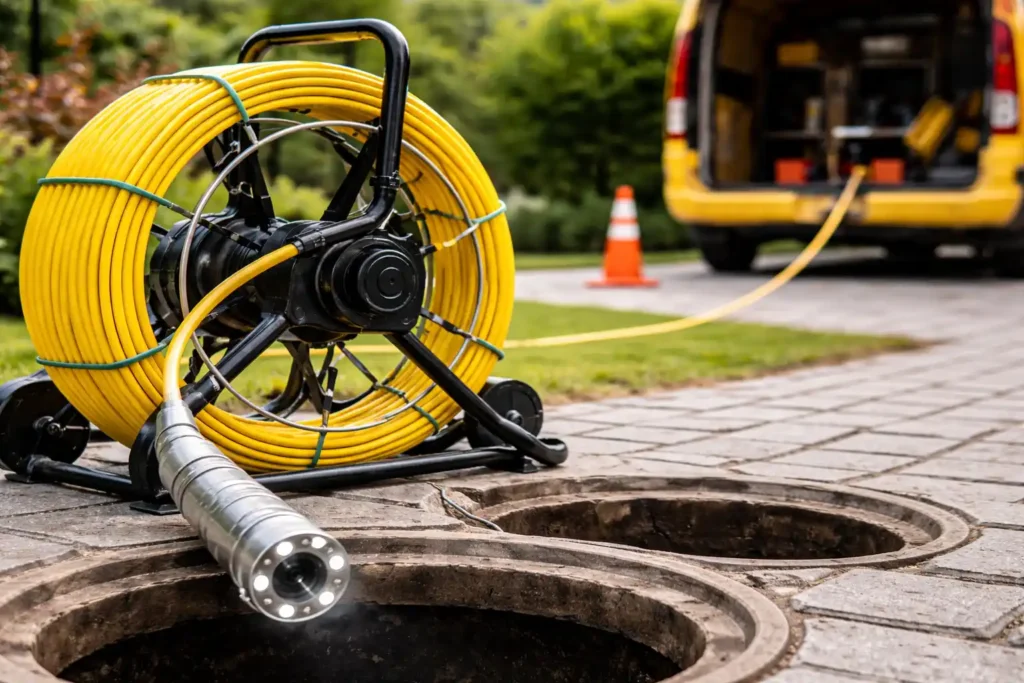
Imagine your plumbing as a hidden world beneath Perth’s streets – twisting tunnels filled with surprises. You might dread unearthing a cracked pipe or blockage under your lawn, but thanks to CCTV camera pipe inspections, there’s no need to grab a shovel first. With a tiny camera on a cable, technicians can snake through drains and sewers to find leaks, roots, and damage in real time. It’s like sending a miniature explorer into your pipes. I remember watching a Perth plumber carefully feed a CCTV camera down a home drain: the live video on his tablet showed every corner of the pipe, pinpointing exactly where a stubborn blockage lurked. No guesswork, no bulldozers – just precision. In fact, even the City of Perth schedules regular CCTV surveys of its stormwater pipes “to ensure the network is in good condition and to identify possible risks”. If the council trusts this high-tech trick, we should too. What is a CCTV Camera Pipe Inspection? At its core, a CCTV camera pipe inspection (also called a drain camera inspection) involves lowering a small video camera into your plumbing system to see inside pipes without digging them up. Think of it like a periscope for your drains. The camera is attached to a flexible cable or a remote-controlled crawler that can roll long distances and navigate bends. As the camera moves, it sends high-definition footage to a monitor so a technician can watch live. This means they can spot issues – blocked debris, cracks, corrosion or stray tree roots – the moment they appear. The camera often has a built-in transmitter (“sonde”) that allows plumbers to locate problems with pinpoint accuracy on the ground above, so repairs can be targeted exactly where needed. Why go through all this trouble? Because digging up driveways and lawns is expensive, messy and time-consuming. Instead, a CCTV camera pipe inspection is non-invasive – you keep your garden intact while the camera does the exploring. After the inspection, you get a detailed video report (often with maps or charts) showing exactly what’s wrong, where it is, and how bad it might be. It’s a bit like getting a doctor’s diagnosis for your pipes. Why Use CCTV Camera Pipe Inspections? Using a CCTV camera pipe inspection instead of traditional methods saves a ton of trouble. First, it precisely locates problems – no more guessing which pipe or manhole is the culprit. You’ll know if it’s a tree root breach, a crushed pipe, grease build-up or a mysterious foreign object. Second, it saves time and money. As one Perth expert explains, you avoid the hassle of tearing open pipes by trial and error. The camera finds the issue quickly so you can fix it fast, preventing ongoing damage and costlier repairs down the road. For example, if you have a stubborn blockage, the camera shows whether it’s just a clogged lip of soap or a full-blown collapsed pipe with roots intruding. Here are a few key benefits: Non-destructive inspection: As the no-dig philosophy goes, a CCTV camera inspection lets technicians “see inside your pipes and easily identify blockages, damage, cracks, corrosion, or tree root intrusion, without needing to dig”. Cost-effective: By quickly diagnosing the exact cause, you avoid unnecessary excavation. One Perth plumber notes that CCTV saves you from ripping apart your sewer lines “before being aware” of the real problem, leading to faster, cheaper repairs. Time-saving: The live feed means instant answers. Instead of days of trial-and-error, you get video proof of the issue on the spot. Accurate reporting: After the inspection, you receive a comprehensive report (often with footage clips and marked-up plans) showing what’s under your property. This helps plumbers or engineers plan repairs precisely and even serves as documentation for compliance or insurance. Preventative maintenance: Regular CCTV checks are a great way to catch slow leaks or early cracks. Experts recommend inspecting every 1–2 years for homes. This “catch problems before they escalate” and preserve your pipes before a disaster strikes. These advantages make CCTV inspections popular for blocked drains, home maintenance or new-build approvals. As Nuflow (a national pipe repair firm) sums it up: early detection of hidden issues saves time, money and stress, helping you make informed decisions on pipe maintenance. How CCTV Camera Pipe Inspections Work (Step-by-Step) A CCTV camera pipe inspection might sound high-tech, but the basic process is straightforward. It usually follows these steps: Access the pipes: The plumber locates an access point (like a drain cover or inspection port) where the camera can enter. For large jobs, this might be a manhole; for household plumbing, it could be a toilet drain or cleanout fitting. In tight spots, a small hole or existing drain opening is all that’s needed. Insert the camera: The flexible cable with the camera head is fed into the pipe. Sometimes the camera is mounted on a remote-controlled wheeled crawler (a bit like a tiny tank) to push it longer distances underground. The technician guides the cable carefully through bends, junctions and traps. Modern camera heads often have 360-degree rotation, letting you scan every part of the pipe’s circumference (no blind spots). Live video monitoring: As the camera moves, high-resolution footage is displayed on a screen. The technician watches for cracks, pinhole leaks, roots, sags or blockages. Every time something important appears – like a cracked joint or a growing tree root – it’s noted. Many systems can mark the footage time-stamp or add an electronic marker on the video. If the pipe is full of water, the camera is still designed to work in wet conditions. Location tracking: Thanks to that built-in transmitter (sonde), the exact position and depth of the camera is tracked on the ground above. This means if the camera finds a broken section 15 metres down your pipe, the plumber can pinpoint it on a map or measure from a manhole. Analysis and reporting: Once the inspection is done, all findings are compiled. Any damage or blockage is logged with its depth and
How CCTV Drain Inspection Services Help Perth Homeowners

Imagine sipping your morning flat white in sunny Perth when suddenly the shower gurgles ominously or water starts pooling outside. Yikes! Blocked drains are surprisingly common (and a real headache) after heavy rain in Perth. The good news? You don’t have to guess or start digging. CCTV Drain Inspection Services have emerged as a high-tech plumbing lifeline. Essentially, they send a tiny waterproof camera into your pipes to find clogs, cracks or tree roots – no digging required. In this article, we’ll show you how these services give Perth homeowners peace of mind and big savings, with no surprise caveats. What Are CCTV Drain Inspection Services? Think of CCTV drain inspection services as a drone mission for your plumbing. A plumber lowers a specialized camera on a flexible cable into your sewer or drain, live-streaming everything that happens underground. These cameras are waterproof and high-definition – basically an endoscope for pipes. As Wikipedia explains, they provide a “non-invasive and efficient way to assess the internal condition of drainage pipes”. In plain English, CCTV Drain Inspection Services mean you can see exactly what’s going on inside your pipes (like the photo above) without smashing up your walls or yard. It’s a lot less guesswork: instead of digging holes trying to find a clog, the camera lights up the culprit on-screen, whether it’s gunked-up grease, a cracked pipe, or sneaky tree roots. Why Use CCTV Drain Inspection Services? If you’ve ever wrestled with a stubborn blocked drain or paid for mysterious plumbing repairs, you get why these services are awesome. In short, CCTV Drain Inspection Services let you catch plumbing problems early and fix them smartly. Here’s why Perth homeowners are jumping on board: Pinpoint hidden issues A normal home inspection often misses underground gremlins. CCTV cameras spot trouble before it erupts. They’ll reveal blockages, cracks or root intrusions hiding in your drain lines. As one Perth plumber puts it, these inspections “locate problems accurately – so you know exactly what you’re dealing with”. In other words, no more racing for shovels in the dark. Save time and money Think it’s expensive? Actually, catching a small crack or clog early costs way less than a full-blown rebuild. A British plumbing wiki notes CCTV saves heaps by eliminating trial-and-error digging. Proud Plumbing agrees: it’s “second to none” for saving money since you avoid unnecessary excavation. Identifying a problem early means you can schedule a quick fix (like relining the pipe or jetting out debris) rather than pay for an emergency repair later. For example, one service quotes inspections from about $150–$500 – a bargain if it stops a $10,000 repair down the line. Non-invasive and fast No need to jackhammer your driveway. The whole process is done through your existing drain entry points. The camera tech has come a long way: some units even pan 360° to capture every joint and connection. This means minimal disruption to your home or garden. You’ll get a diagnosis without the mess and noise of digging, so life stays (mostly) normal. Peace of mind Once you’ve had a CCTV scan, you know the all-clear (or exactly what needs fixing). One plumbing blog points out that after an inspection, “you know there aren’t any undiscovered problems with your drainage system,” giving you real confidence. That is priceless peace of mind – especially before a big event like a home sale or just before Perth’s stormy season. Spot tree roots and leaks Perth’s gardens are lovely, but gum tree roots can be rotten thieves, sneaking into old clay or concrete pipes looking for water. CCTV cameras measure how deep roots have grown into the line and where they’re at. The camera also finds tiny cracks or leaks that could erode soil or let groundwater in. Detecting these early prevents nasty surprises like sunken driveways or a flooded yard in winter. Prevent health hazards A clogged or cracked drain can back up sewage, causing nasty odors or even contamination. CCTV inspections catch these issues early so you don’t end up with raw sewage in your home or garden. This proactive step helps keep your family safe and your home hygienic. Quick comparison: Approach Pros Cons CCTV Drain Inspection Non-invasive; precise (visual!) May not detect issues outside pipes Traditional Digging Can physically inspect everything Expensive, time-consuming, very disruptive With CCTV, you get a targeted diagnosis. Traditional excavation might find everything, but it costs more and wrecks the lawn. CCTV gives you the where so repairs can be exact. (Just know it won’t show things like overall stormwater capacity or multiple system issues – but for clogs and cracks, it’s golden.) How CCTV Drain Inspection Works Let’s walk through a typical service call (the image below gives you an idea). A licensed plumber arrives, armed with a van full of gear: high-def cameras, long cables, even sonar locators to find the pipe above ground. After you point out the problem area (say, a slow kitchen drain or a soggy lawn patch), they open an access point – often a drain cleanout or manhole. Then the magic happens: Once the CCTV camera is rolling, you get live footage on a monitor. The plumber slowly pushes the camera through the drain, navigating turns and junctions. As it glides along, you can literally watch roots wriggling in, chunks of debris, or cracks appear on screen. When the camera spots trouble – for instance, a massive root blockage – everyone sees it right away. This real-time video lets the plumber diagnose on the spot. By the end of the inspection, you’ve got concrete answers. The service provider will explain what they saw (“Ah, here’s a frayed pipe joint!”) and usually record the video. You often get to keep the footage or a report. No smoke and mirrors if there’s damage, you see it. If all is clear, you’ve just proved the drains are solid. CCTV Drain Inspection Services in Perth: Why They Matter Western Australia’s climate and geology make these services especially handy for Perth
How a Hot Water Plumber Identifies Hidden System Issues
Imagine stepping into a freezing shower, hot water gone cold in an instant. You scramble under the house or peek in cupboards, but the leak’s invisible. This is when a hot water plumber becomes a plumbing detective. Think of us as Sherlock Holmes for your heater: we follow clues instead of footprints. I once arrived at a Subiaco home where the grass in the backyard was oddly lush. Inside, the shower ran bone-cold. A trained eye (and my trusty thermal camera) eventually revealed a tiny crack in a hidden hot water line under the slab. Without damaging the house, the leak was found. In Perth’s dry, sandy soil, even a small hidden leak can waste tens of thousands of litres a year – so we take these sneaky problems seriously. Let’s walk through how your friendly hot water plumber uncovers what you can’t see. Spotting the Clues a Hot Water Plumber Uses A hot water plumber relies on subtle hints. Tiny puddles, mold in an odd corner, or unexplained high water bills are all red flags. For example, visual cues like water stains, discoloured patches, or bubbling paint often spell trouble behind walls. You might notice warped floorboards or peeling wallpaper around a bathroom – classic signs of hidden leaks . It’s like a detective spotting a clue. Visual Signs: Water stains on ceilings or walls, peeling paint, bulging wallpaper, or warped flooring are classic indicators. Even rust-colored streaks on the heater tank can mean trouble brewing inside. Environmental Clues: Unexplained mould growth or a musty smell in what should be dry areas hints at moisture behind the scenes. Plumbers also spot sudden lush patches in your yard (especially in Perth’s summer) – grass loves extra moisture! Audio Hints: Your ears are handy tools too. Listen for constant dripping sounds inside walls or water trickling when all taps are off. Gurgles or bubbles in pipes, or toilets that behave strangely, can betray a leak hidden from sight. A plumber investigating hidden pipes behind a wall panel. Subtle clues like discoloured walls or moist plaster guide the search. Even you might notice clues before calling us: a spiking water bill or hot showers lasting just a few seconds. In Perth, for example, hidden leaks waste up to 2,000–4,000 litres per month on average. If your meter’s off the charts, it’s a telltale sign a leak is feeding off your home somewhere. Advanced Tools Every Hot Water Plumber Has Once we’ve gathered clues, it’s gadget time. Plumbers nowadays are like tech wizards. We don’t just grab a wrench; we bust out thermal cameras, acoustic microphones, pressure gauges, and even tracer dyes. These tools let us “see” through walls and floors non-invasively. A plumber’s toolbox: inside you’ll find thermal cameras, listening devices, gauges and more. These tools help locate leaks without tearing apart your walls. Consider this quick comparison of methods a hot water plumber might use: Detection Method How It Works When It’s Used Visual Inspection Check accessible pipes and joints Spot obvious drips, corrosion or rust Pressure Testing Seal off a section, pressurize with water/air Detect hidden leaks by watching for pressure drops Acoustic Listening Use ground mics or “listening sticks” Pinpoint leaks under concrete or behind walls by sound Thermal Imaging Infrared camera scan for temperature changes Reveal cool spots from leaking water behind drywall Tracer Gas or Dye Inject non-toxic gas or colored dye into pipes Find very small or deep leaks; dye flows out where leak is Every hot water plumber has a routine. First, I might inspect visually under sinks and around the heater for corrosion or stains. Then I’ll pressure-test the system. We cap off sections and pump it up; if the gauge slips, there’s a leak inside. Think of it as submerging your plumbing in an invisible bubble and seeing if it deflates. For acoustic detection, we slip a sensitive microphone along the floor or outside walls. Water leaking under pressure makes tiny noises – a hissing or dripping sound that these devices amplify. It’s like eavesdropping on the pipes. We follow the sound until – voila – the leak’s hiding spot is revealed, no jackhammer needed. This is especially handy in slab-on-ground homes like many in Perth. Another trick: infrared cameras. These thermal imagers show temperature differences on surfaces. A hot water leak makes the surrounding area cooler (or warmer), which the camera picks up as a false-color “smoke signal.” I once mapped a leak behind a shower wall by spotting a cold patch on the camera screen. It looks like magic, but it’s really heat science. For really tricky cases, we might even use tracer dye. We pour colored dye into the hot water pipes or shower trap and watch where it appears. If it oozes from a wall seam or drains out of a distant drain, we know exactly where to dig. Local plumbers sometimes also insert a harmless gas mixture and use sniffers – the gas escapes through the tiniest crack and we chase it down with detectors. By combining these methods, a hot water plumber can pinpoint leaks behind tiles, under concrete, or in hidden pipe runs without tearing down your home. Step-by-Step Troubleshooting (Plumber Style) Let’s break down a typical diagnosis step-by-step – kind of like CSI: Plumbing. Confirm the Source: First, I verify the leak’s origin. Service Today advises checking if the water is truly from the heater tank or nearby plumbing. (Sometimes a toilet or external tap masquerades as “lost” hot water.) In Australia, hot water systems must meet strict safety and energy efficiency standards. If you’d like to understand how these systems are regulated, you can review the official guidance on hot water systems from the Australian Government. Turn off the heater and listen. If the dripping stops, it’s from that system. If not, it’s something else. Always shut off the water main if you suspect a major leak to avoid damage. Visual and Sense Check: I do a careful visual scan and smell test.
How to Handle Hot Water Service Repairs in Perth Homes
A Perth morning without hot water changes the rhythm of the entire home. Showers feel rushed, dishes pile up, and daily routines suddenly revolve around a cold tap. That moment reveals how essential a working system really is. Hot Water Service Repairs are not just technical fixes. They restore comfort, hygiene, and household flow. Living in Perth means your home deals with some unique environmental stress. Between the mineral-heavy water, shifting temperatures, and older plumbing, water heaters really take a beating. Even a perfect installation will eventually show wear, like leaks or patchy heat. Catching those signs early is the only way to stop a total shutdown. Getting reliable Hot Water Service Repairs starts with actually listening to what your system is saying. Things like odd noises, slow heating, or discolored water don’t just happen by accident. Every symptom points to a real internal problem, and jumping on it fast protects your unit and your pipes. Understanding Common Hot Water Failures Most Perth households experience a predictable pattern of faults. Sediment build-up is one of the most frequent culprits. Minerals settle inside tanks, reducing efficiency and straining heating components. Gas and electric units respond differently, yet both eventually show performance decline. Faulty pressure valves are another common culprit. If a valve is leaking, it’s a sign of internal pressure build-up that puts your safety and efficiency at risk. Beyond that, electrical parts simply wear down, while gas pilot lights often flicker out because of poor airflow or old age. Catching Hot Water Service Repairs early is the best way to avoid a total system meltdown. Being proactive keeps your bills down and helps your heater last years longer. Perth plumbing professionals frequently see how skipping basic maintenance can end up doubling your costs over time. Early Warning Signs Perth Homes Should Not Ignore A hot water system rarely fails without warning. Temperature fluctuation is often the first sign. Water that suddenly turns cold suggests a heating element issue or a thermostat malfunction. Discoloured water indicates corrosion or sediment disturbance inside the tank. Unusual sounds such as popping or rumbling signal trapped mineral deposits heating unevenly. External moisture or pooling water suggests seal degradation. Each of these symptoms warrants immediate attention and targeted Hot Water Service Repairs. Simple, routine checks are your best defense against a sudden cold shower. By keeping an eye out for leaks, listening for weird sounds, and timing how fast the water heats up, you can spot trouble before it actually ruins your morning. Repair Versus Replacement Decisions You don’t always need a brand-new heater just because something breaks. Smart Hot Water Service Repairs can bring a unit back to life if you act fast. Age is the big factor here; if it’s under ten years old, a repair usually makes sense, whereas older units might be worth replacing to save on energy. Efficiency matters more than most people realize. Newer models heat water faster while using way less juice. Fixing a dying system might stop the leak today, but it’ll keep your bills high. Many Perth households now look at repairs based on how much they’ll save in the long run. Safety Considerations During Repairs Climate Factors Affecting Perth Hot Water Systems The mineral-heavy water in Perth is notorious for causing sediment buildup. On top of that, seasonal temperature shifts put a lot of physical stress on the unit, causing tanks to expand and shrink until seals and fittings eventually give way. Flushing the tank regularly helps clear out that sediment and keeps things running smoothly. Combining professional maintenance with quick Hot Water Service Repairs is the only way to keep a system stable against those harsh local conditions. To learn more about keeping your hot water efficient and safe, check out the resources provided by Australian energy authorities. They offer great tips on maintenance and safety standards here: Cost Expectations and Repair Planning Repair costs vary depending on component failure. Thermostat replacement is relatively minor, while tank corrosion demands more extensive work. Transparent assessment helps households plan financially without surprises. Preventive servicing reduces emergency repairs. Scheduled inspections identify minor faults before they evolve into expensive breakdowns. Consistent Hot Water Service Repairs planning ultimately lowers total ownership cost. How Perth Water Quality Impacts Repair Frequency Water quality is the “silent” reason why you might need Hot Water Service Repairs more often. Because Perth has such mineral-heavy water, gunk builds up inside the tank. Eventually, that sediment acts like a thick blanket over the heating elements, making the system work overtime for lukewarm results. All that extra strain burns out thermostats and valves much faster. You’ll start noticing the water takes forever to get hot or stays patchy. Routine service clears that pressure, keeping things efficient and cutting down on repairs. Homes that stay on top of mineral buildup usually see fewer emergencies and get way more years out of their gear. Energy Efficiency and Repair Decisions Nowadays, repairs are just as much about energy bills as they are about hot water. A system that’s struggling will hog power or gas just to stay warm, which can hike your monthly costs. Quick Hot Water Service Repairs fix those cycles and stop that wasted energy. Households can review official energy efficiency guidance and system performance standards. Many Perth households don’t realize how much a “small” fault actually tanks their efficiency. A dying thermostat or a scaled-up element can force the system into endless reheating cycles. Once fixed, the system settles back into a steady rhythm, cutting down on strain and keeping energy use predictable. Efficient units don’t just lower your bills; they’re also quieter. Seasonal Stress on Hot Water Systems Perth’s climate introduces seasonal pressure on hot water equipment. During cooler months, heating components run longer cycles to maintain temperature. During warmer periods, internal expansion and contraction gradually put stress on seals and joints. Without preventative maintenance, this cycle accelerates component fatigue. Routine inspections reduce the likelihood of sudden system shutdowns during peak demand. Seasonal awareness supports
Emergency Plumbing Service in Perth When Plumbing Goes Wrong
Ever had that sinking feeling? You step barefoot on your bathroom floor in Perth at 6 am and suddenly realize your house is an indoor pool. In those moments, you don’t need coffee – you need an Emergency Plumbing Service. We’ll walk you through what counts as a plumbing emergency, what to do first, and how to summon the right help (before your carpet is ruined). Whether it’s midnight or mid-morning, a burst pipe or gas leak is no joke. By the end of this article, you’ll know exactly when to call an Emergency Plumbing Service, how to keep your cool (and carpet) dry, and even tips to stop disasters before they start. When to Call an Emergency Plumbing Service Not every drip or clog is a crisis, but some situations demand immediate action. Call a 24/7 Emergency Plumbing Service if you see or experience any of the following: If you recognize any of the above, don’t hesitate – call a licensed Emergency Plumbing Service immediately. In any of these cases, your first call should be to a professional, 24/7 emergency plumbing service. It’s better to be safe and dial an Emergency Plumbing Service than to watch leaks worsen. A top Perth emergency plumber will decide if it really needs immediate fixing. Waiting too long will cost more. Common Plumbing Emergencies in Perth Even though Perth has mild winters, homes here still face plenty of plumbing drama. The usual suspects include: A trustworthy Emergency Plumbing Service will handle all these issues safely and efficiently, giving you peace of mind. Having a reliable service on speed-dial means you’ll know exactly who to call when these nightmares strike. Steps to Take During a Plumbing Emergency Here’s your emergency checklist – do these before the plumber arrives: These steps are like CPR for your home. For example, one guide advises placing buckets under leaks and then shutting off the main line immediately. Remember, safety first – then quick action to limit the damage. Once you’ve secured the scene, call your local Emergency Plumbing Service next. They’ll take it from here. Keep calm and trust the experts to arrive soon. The longer a leak flows, the more damage – and higher the repair bill – you’ll face. Choosing the Right Emergency Plumbing Service A plumbing emergency is stressful – don’t make hiring a plumber one. When your walls are sweating water, you need a friendly pro with experience on speed-dial. Here’s what to consider: Licensed and Insured: In WA, only licensed plumbers can legally do plumbing work. in your home. The WA Government clearly states what plumbing jobs must be done by a licensed professional, which is exactly why calling an Emergency Plumbing Service is not just smart — it’s the law. You can read the official guidelines here: https://www.wa.gov.au/organisation/building-and-energy/plumbing-work-your-home The Master Plumbers & Gasfitters Association of WA (MPGA) notes that its members follow a strict code of conduct, so hiring MPGA-affiliated plumbers gives you extra peace of mind. Never settle for a “handyman” offering emergency calls without credentials. 24/7 Availability: Emergencies don’t wait for daylight. Make sure the company clearly states 24-hour service. A good Emergency Plumbing Service guarantees round-the-clock response (some even promise to reach you in 30 minutes). Experience and Reputation: How long have they been doing emergency calls? Check reviews or ask neighbors. A veteran plumber is less likely to panic when midnight water is pouring. Transparent Pricing: Ask about call-out fees and rates upfront. A trustworthy service will explain costs clearly – for example, many Perth plumbers have $50–$150 call-out fees plus higher night rates. Always get an estimate before work begins. Local Knowledge: Choose a Perth-based emergency plumber. They know local issues (hard water, soil shifts) and can often get to you faster than an out-of-town van. Communication: They should explain the fix in plain English, not plumber-jargon. If they answer the phone with tips or have a 24/7 live operator, that’s a good sign. Having a trusted Emergency Plumbing Service on call means you’re prepared when the next disaster strikes. It’s like hiring a surgeon for your house – make sure they’re qualified, available 24/7, and transparent about costs. What Happens When the Emergency Service Arrives Minutes (hopefully) after you call, a plumber in a branded van pulls up. What next? Here’s what to expect: Assessment: When your emergency plumbing service arrives, they will re-check the problem and inspect the damage. They may use tools (flashlight, moisture meter, or even a drain camera) to pinpoint the issue. Explanation & Quote: A good plumber will tell you what’s wrong in clear terms (no confusing jargon) and give an upfront repair plan and cost estimate. Repair Work: Armed with wrenches, sealant and sometimes a small jackhammer, they’ll go to work. From unclogging drains to replacing pipe sections, most on-the-spot fixes are done then and there. Safety Checks: If it was a gas or hot-water issue, they’ll test the fix before finishing. No gas smell or leaks should remain. Clean-Up: Top pros will tidy the area before leaving (it might help if you roll out a spare towel or two just in case). Final Advice: Before heading out, a courteous plumber may give you tips on prevention or schedule a follow-up check. Some companies even offer a return visit to make sure the repair held. Once the fix is done, they’ll usually demonstrate that the leak is truly stopped. Don’t be shy about asking questions: for example, “What caused this?” or “Should I do anything differently now?”. Let the Emergency Plumbing Service walk you through it in normal language. Then pat yourself on the back – you just avoided a home disaster! Emergency Plumbing Service Costs It’s no secret that emergency repairs cost more than routine jobs. In Perth, expect: Service/Item Typical Cost (AUD) After-hours Call-out Fee $50 – $150 Emergency Labor (per hour) $120 – $250 Note: These are rough estimates. Every job is different. For example, clearing a blocked drain at midnight might be on the lower end,
Emergency Burst Pipe Repair in Perth: What You Should Know
Imagine waking up to the sound of rushing water. For a homeowner, that is the moment of an Emergency Burst Pipe Repair alert. The kitchen floor is turning into a mini-Lake Perth. The only thing on your mind is Emergency Burst Pipe Repair. It’s a homeowner’s nightmare: something you never expect to happen – until it does. For an Emergency Burst Pipe Repair, every second counts. In Perth, any burst pipe can quickly become an Emergency Burst Pipe Repair scenario. Our weather can surprise us with sudden cold snaps or heavy storms, and sometimes plumbing fails at the worst times. When water starts gushing through your ceiling, remember: calm action is key. Let’s break down exactly what to do, who to call, and how to stop the flood. What Is a Burst Pipe Emergency? An emergency burst pipe means a water pipe has cracked or split open suddenly, sending water gushing out violently. This isn’t a slow drip or a minor leak – it’s an indoor fountain gone wrong. Pipes can burst for various reasons: freezing water expanding (even Perth can get surprise frosts), old corroded pipes giving way, tree roots pushing into underground drains, or even a spike in water pressure. Imagine turning on your tap and instead of a gentle stream, water blasts out from a hole. Common warning signs include: Speaking from experience, I once ignored a surging water bill – only to wake up to a puddle in the kitchen the next morning. Don’t be like me – you’ll know something’s wrong (and hopefully avoid an Emergency Burst Pipe Repair disaster). Immediate Steps to Take In an Emergency Burst Pipe Repair, first things first: act fast and smart. Here’s what to do immediately: These steps may sound basic, but each one saves you hours of cleanup and thousands in repairs. Seriously – scooping water with the kitchen measuring jug is totally worth it if it keeps your floors dry. Once that’s done, call a professional right away. For Perth locals, you can book a fast response through our emergency plumbing service in Perth or dial a plumber you trust. If possible, verify they’re licensed (you can check on the WA government trades portal). Explain your situation clearly – most emergency plumbers will guide you through these steps over the phone and reassure you until help arrives. Why Emergency Response Matters Letting a broken pipe run unchecked is like leaving your front door open during a monsoon. Burst pipes flood rooms in minutes. Imagine a torrent gushing through your living room – soaking carpets, drenching furniture and electronics. Even after you shut the water off, the damage keeps unfolding. Pooled water breeds mould and mildew (and even mosquitoes), while moisture creeping into walls or foundations can cause lasting cracks and rot. When a licensed plumber arrives, they’ll locate the break (sometimes cutting into a wall or floor to reach the pipe). They may then cut out the damaged section and fit a new piece or clamp in its place. After the repair, they’ll turn the water back on and test thoroughly to make sure nothing is still leaking. This stops the flow completely – unlike DIY tapes or gel, which are only temporary. Once dry, they’ll restore everything as much as possible. Getting expert help fast isn’t just about fixing a pipe – it’s about protecting your home and health. For instance, even in cooler Perth winters a tiny leak can trigger mould growth by spring. So if you ever doubt it’s an emergency, remember: calling a plumber quickly means less destruction, fewer secondary problems, and a smaller insurance bill. Sometimes you have to improvise. Use anything on hand – even a saucepan or large bowl – to catch drips and spare your floor from an impromptu swimming lesson. Finding a 24/7 Emergency Plumber in Perth After you’ve stabilized the situation, the next move is to find a plumber who can fix it—now. Perth has plumbing companies on call 24/7 for emergencies. When you ring around, say it’s an emergency burst pipe to get top priority. Ask if they charge after-hours fees (many will, usually $100–$150 extra, but that’s cheaper than a ruined kitchen). Make sure whoever you call is fully licensed. In WA, you can verify a plumber’s registration online. A licensed pro won’t just patch it up; they’ll use safe materials and follow the plumbing code. If possible, verify they’re licensed. You can check the requirements for licensed plumbers in Western Australia on the WA Government website before allowing any emergency repairs to proceed. Once on site, a good plumber will explain your options: sometimes they might do a quick stop-gap fix tonight and plan a full replacement tomorrow, or if they have parts ready they’ll handle it completely. They should give an upfront quote (watch out for surprise upsells!). If they hesistate or seem shady, hang up and find someone else. What to Expect During the Repair For an Emergency Burst Pipe Repair, when the plumber arrives, they’ll locate the break (often by listening or using moisture meters) and then remove the damaged section. They may need to cut into walls or floors to reach hidden pipes. Next, they install a replacement pipe or fitting and seal everything up. Finally, they’ll turn the water back on and test to confirm the leak is gone. Depending on how hard-to-reach the pipe is and the extent of the damage, this can take from an hour or two up to a whole day. But by the end, your home is safe and dry again – and hopefully without a surprise indoor waterfall. The Cost and Insurance Angle Let’s talk money (not fun, but important). Emergency call-outs cost more than a regular appointment, especially late at night. Expect a higher hourly rate and possibly a minimum fee. For example, many plumbers tack on an “after-hours” surcharge (commonly $100–$200) just to drive to you. Once there, simple fixes (say, clamping a pinhole) might only run a few hundred
Why You Need a Professional Gas Fitting Service in Perth

Gas powers our homes but also hides danger. In November 2022 a Perth kitchen explosion left a man badly burned – a stark reminder that DIY gas fiddling can go very wrong. That’s exactly why you need a professional gas fitting service in Perth: licensed experts handle any gas work safely and correctly. A quick tip: always verify your gasfitter’s licence. In WA, the law requires any gasfitting be done by a licensed pro. (For more details, check the WA Government’s Gas Safety at Home guide.) Messing with gas without a permit is not worth the risk – it’s illegal and could void your insurance. The Hidden Dangers of DIY Gas Work Let’s get one thing straight: gas is not like water or electricity – you can’t safely eyeball it or guess your way through it. That’s why relying on a professional gas fitting service in Perth is critical for any installation or repair. If you attempt gas fitting on your own, you’re risking: Risk of Gas Explosions in Perth Homes Even a tiny unnoticed leak can ignite. Australian authorities warn that a small amount of LPG or natural gas “can ignite explosively from the smallest spark”. Don’t be the homeowner who learns this the hard way. Carbon Monoxide Poisoning Risks Faulty gas work can pump odorless carbon monoxide into your home. A misaligned burner or bad joint can quietly fill a room with CO, which you can’t smell until it’s too late. Licensed technicians from a gas fitting service in Perth ensure correct combustion and safe ventilation to protect your family. Legal and Insurance Consequences in WA WA law flat-out bans unlicensed gas work. If you skip the certified fitter, you could void warranties and lose your insurance protection. Don’t call home insurance after a home explosion only to hear “it’s not covered.” What to Do in a Gas Leak Emergency If you smell gas — a rotten-egg odor, hissing sounds, or dimming pilot lights — treat it as an emergency. Turn off the meter, evacuate everyone, and contact a professional gas fitting service in Perth that offers emergency gas leak repairs immediately. As safety authorities stress, gas leaks require immediate action, not DIY fixes. What a Professional Gas Fitting Service Does (in Perth) Once you’ve called in a licensed gas fitting service, what exactly do they do? Think of them as part detective, part safety engineer: Safe Installations They install gas appliances (stoves, heaters, hot water systems) to Australian safety standards. Every connection is sealed and pressure-tested so that nothing leaks. Gas Line Work Need a new gas point for a renovation? Pros cut, thread and join pipes and then pressure-test the section to catch any hidden leaks before it’s turned on. Leak Detection If a leak is suspected, professionals use electronic gas detectors and pressure-tests on your entire system. Even tiny leaks that our noses would miss are found and fixed on the spot (they tighten or replace the faulty fitting immediately). Routine Servicing They inspect and clean burners, valves, and joints on your appliances. Experts recommend checking older gas appliances every 1–2 years to catch wear and tear early and keep things running efficiently. Compliance Certificates After any major gas work, a pro will issue a Notice of Completion (NOC). This official certificate proves the job was done by a licensed fitter. Gas suppliers need it before restoring supply, and it keeps your home sale and insurance paperwork in order. Each step a licensed gas fitting service takes is one you don’t have to worry about. For comparison: Task DIY (Amateur) Licensed Professional Service Cooktop/Appliance Install High risk of misconnection and leaks (illegal without permit) Proper hookup with gas-safe fittings; leak-tested. Compliance certificate provided. Gas Leak Repairs Can easily miss slow leaks; dangerous. Uses detectors and pressure tests. Guaranteed leak fix. Appliance Servicing Often skipped; can cause CO or inefficiency. Burns cleaned, parts checked; maximizes safety and efficiency. New Gas Line Runs Code violations likely; possible fines. Meets all AS/NZS 5601 standards; fully tested and certified. Legal/Insurance Compliance Illegal if unlicensed; voids insurance. Fully licensed; work is insured and certified. Gas Fitting Service Laws and Safety Regulations in Western Australia For example, gas fitters carry a yellow GF-##### permit card in WA (showing they’re officially certified by the state). They use specialized tools like flow meters, pressure gauges and electronic gas detectors. They spot warning signs – like orange pilot flames (instead of normal blue) or flickering burners – that signal incomplete combustion or failing parts. Some even install carbon-monoxide detectors near heaters for extra safety. In short, they have training and gadgets we simply don’t. Gas Fitting Laws & Safety in WA WA treats gasfitting very seriously. The law is crystal clear: all gas installation or repair must be done by a licensed professional.For full details on home gas safety and legal requirements, refer to the WA Government gas safety at home guide.” https://www.wa.gov.au/organisation/building-and-energy/gas-safety-home This isn’t paperwork busywork – it’s your proof that the job meets safety standards. Gas suppliers and insurers will demand that certificate before letting you use gas again. Skipping this can leave you without cover or even get your supply cut off. Always insist on seeing your fitter’s licence number (“GF-xxxxx” in WA) and the NOC when they’re done. Choosing the Right Gas Fitting Service in Perth Finding the best local service is key. Here’s what to look for: Conclusion: Safety First, Always Gas fitting may not be glamorous, but it’s essential. A professional gas fitting service in Perth brings expertise, safety and peace of mind. They treat your gas like the powerful (and potentially dangerous) resource it is – not a DIY weekend project. By hiring licensed experts, you get appliances and lines installed correctly, leaks detected before disaster, and all the right paperwork in place. If you ever suspect a gas leak, don’t wait—contact a trusted provider for professional gas leak repairs in Perth to keep your home and family safe. So do the smart thing: always call
How Professional Plumbing Service in Perth Solves Issues
Imagine this: It’s a sunny Perth Saturday morning and you’re about to brew a cuppa, only to find your kitchen floor turned into a mini swimming pool thanks to a persistent leaky tap. Or picture stepping into the shower on a chilly winter day and realizing the hot water has gone on strike. These scenarios sound all too familiar, don’t they? In moments like these, you need more than a DIY YouTube tutorial – you need a professional Plumbing Service in Perth to come to the rescue and save the day. After all, as any savvy Perth local knows, plumbing woes can pop up at the worst times and create a big mess. When you see a puddle spreading or hear an ominous gurgle from your drain, your heart sinks faster than water down a plugged sink. That’s when a professional plumbing service swoops in like a plumbing superhero – armed with wrenches, cameras, and plenty of know-how – to fix the problem right. In fact, experts note that blocked drains are common worldwide, but Perth’s sandy soil makes them even more frequent. With a pro on the job, you avoid the guesswork and get a proper solution fast. Common Plumbing Problems in Perth (and How a Plumbing Service Fixes Them) Let’s talk about the plumbing headaches Perth folks face, and how a local pro handles each one: Blocked Drains Perth’s loose sandy soil can infiltrate cracks in sewer pipes and, coupled with grease and debris, clogs drains often. You might try plungers or drain cleaner, but professionals clear blocks using high-pressure water jets and CCTV cameras to see right into the pipes. A skilled plumber will unclog your drains thoroughly and advise on preventing future jams – something quick fixes rarely achieve. Leaking Taps and Toilets A dripping tap might seem tiny, but Water Corporation figures show one leak can waste up to 10,000L of water each year. Letting those drips go is like literally throwing money down the drain. A plumbing service replaces worn washers, seals and parts on the spot. These pros stock the right spare parts and tools, so they can fix a leaky tap immediately. They’ll make the sound stop – and your bills shrink. A professional Perth plumber fixing a kitchen tap – they have the tools to stop leaks fast (and save you a fortune in wasted water). Hot Water System Issues Perth’s famously hard water leaves calcium deposits in pipes and heaters. Over time, this scale build-up reduces flow and kills efficiency, making your hot shower turn tepid. You need that hot water working hard in winter! Professional plumbers can flush out scale or install water softeners to keep everything flowing. They also handle hot water tanks – from repairing heating elements to fitting new thermostats – and do it safely. One Perth plumbing guide warns that a leaking hot water system “can cause significant damage to your wallet” because heaters can account for about 30% of your power bill. A good plumbing service fixes leaks promptly, saving on big bills. Burst Pipes and Low Pressure Nothing signals trouble faster than a pipe suddenly bursting. In Perth’s climate, pipes can crack under temperature swings or simply age out. When a pipe explodes or your water pressure mysteriously drops, call a plumber immediately. Trained plumbers will safely shut off your water and replace the damaged section with the correct pipe, ensuring a proper seal. They’ll also check pressure regulators and fittings – loose installations there often cause low pressure. Any large leak or burst is a job for a licensed pro, not a DIY project. Hidden Leaks and Mold Ever notice a patch of damp on the wall or an unusually green patch of lawn? These are clues to hidden leaks. They’re tricky because you can’t see the water trickling behind walls or under floors. Pros use leak-detection tools like listening devices or thermal cameras to pinpoint the source without ripping everything up. Finding and fixing these early prevents mold growth and huge repair bills. Every one of these problems would be much worse without professional help. Plumbers arrive with the right equipment – from drain snakes and pipe cameras to industrial wrenches and sealants – so they solve the root issue. As one industry expert explains, plumbers use “the most efficient and cost-effective methods to resolve problems”, saving you time, water and money in the long run. Services a Plumbing Company Offers Professional plumbing service cover a wide range of tasks. For example, many Perth plumbers list these services: In Western Australia, plumbers must be licensed and certified to carry out plumbing work legally, as outlined by the WA Government’s information and obligations for licensed plumbers. So when you hire a plumbing service, you’re getting a qualified pro who follows local building codes. This means reliability and often a workmanship guarantee – you won’t have to worry about the same leak popping up again. DIY vs Professional Plumbing Service It’s tempting to try a quick fix yourself – and sometimes you can handle a loose tap washer or unclog a small drain. But even a tiny mistake in plumbing can quickly turn a small leak into a full-blown flood. DIY repairs can void warranties or even break your home insurance if something goes wrong. In Western Australia, only licensed plumbers are allowed to perform major plumbing work – and for a good reason. A professional plumbing service, by contrast, ensures the fix is complete and safe. Plumbers have the advantage of training and experience. One Fremantle plumbing specialist points out that certified plumbers are highly trained to diagnose and solve problems thoroughly. They won’t just treat symptoms; they get to the root cause. For example, if a faucet is leaking, a pro will replace the worn washer and inspect the connecting pipe. And they bring all the right gear – like drain cameras and specialized wrenches – so the job is done right the first time. Here’s a quick comparison of
24/7 Burst Pipe Plumber in Perth – Emergency Repairs
Imagine waking in the middle of the night to the sound of water gushing through your kitchen floor. You stumble out of bed and – horror of horrors – your kitchen is flooding. A burst pipe has struck, and you’re staring at a mini Niagara Falls in your own home. Panic is natural, but remember: you can stop this disaster in its tracks by calling a burst pipe plumber in Perth before the damage worsens. The first step is always to turn off your main water supply (often at an outdoor tap or basement valve) to stop the flow. Shutting off the main water valve at an exterior tap stops a burst pipe from flooding your home Keeping the water off and opening a few taps to drain remaining pressure will minimise damage. Once the taps are closed, it’s time to call in the cavalry: a licensed, 24/7 burst pipe plumber in Perth. These experts swoop in like superheroes for your pipes, armed with tools and know-how to fix the leak fast. As one Perth plumbing company puts it, burst pipe repair is available 24/7 for emergencies – meaning help can arrive at any hour to save the day. Recognising a Burst Pipe and What to Do Immediately Bursts can be sudden and dramatic, but sometimes they start quietly (a trickle here, a damp spot there) before exploding into a full-blown flood. Signs include a sudden drop in water pressure, brownish or cloudy water when you turn on taps (a clue of corroded pipes), unexplained puddles appearing under sinks or on floors, or the unmistakable sound of hissing or dripping inside walls. If any of these happen, treat it as an emergency. Here’s your quick action plan before the plumbers arrive: Turn off the water supply immediately Locate the main shut-off valve (usually near the water meter or an outdoor spigot). Cutting the water supply stops the flood at its source. Then open taps (cold and hot) around the house to drain remaining water from the lines. This step can save you thousands in water damage and is recommended by plumbing pros. Switch off electricity if needed If the leak is near electrical outlets or switches, turn off the power at your main switchboard to avoid any risk of electric shock. Safety first! Document the damage Before too much cleanup, take photos or videos of the leaking areas and any belongings getting wet. This helps with insurance claims later. (Flooding is a claimable event for many home insurance policies, so pictures are worth a thousand dollars later!). Start clearing valuables Remove rugs, furniture or boxes from the water to minimize water damage and mold growth. Every minute counts in an emergency. By taking these steps, you’re already miles ahead of someone who panics or ignores the drip. Next, you pick up the phone and dial your 24/7 burst pipe plumber in Perth. Calling a 24/7 Burst Pipe Plumber in Perth At this point, you want pros on the way now. In Perth, many plumbing companies offer true round-the-clock service, understanding that bursts don’t keep business hours. You might say, “I need an emergency plumber – and I need them tonight.” According to local experts, 24/7 emergency plumbers will rush out immediately to get to you, often within an hour. I once had a midnight flood and within 45 minutes the plumber was at my door in his van with flashing lights, toolbox in hand. When you call, make sure to mention it’s an emergency burst pipe. You’ll want a licensed plumber, ideally one with WA emergency plumbing experience. In Western Australia, only licensed plumbers can legally repair water supply pipes. This guarantees they know local building codes and safety standards. A reliable 24/7 burst pipe plumber will ask you questions about the leak, estimate arrival time, and may give preliminary advice (like leaving the water off). Why choose a 24/7 specialist rather than waiting until morning? Because delays = damage. Every minute water flows, the more damage to floors, walls and contents. Licensed emergency plumbers use advanced leak-detection gear (thermal cameras, electronic pipe locators, etc.) to quickly find hidden cracks or breaks. Early detection and repair reduces the risk of extensive water damage and costly repairs later. In other words, calling the pros immediately often saves you money in the long run by stopping a small leak before it turns into a ruinous flood. If you suspect the burst involves the public water supply or water is flooding from outside your property boundary, you should immediately report a water supply fault to Water Corporation WA while waiting for your plumber to arrive. What an Emergency Burst Pipe Plumber Will Do With the house prepped and you on the line, the emergency plumber arrives pronto. Here’s what typically happens next: Locate and Assess the Burst Pipe The plumber will inspect the scene to locate the burst. They may use listening devices or moisture meters if the break is hidden. If the pipe is exposed (like under the sink), it’s usually obvious – you’ll see a split or a gush. Stop the Leak and Secure the Area They might clamp the pipe or put a temporary patch to stop water while they work. Meanwhile, the plumber might ask you to help redirect any remaining drips into buckets. Repair or Replace the Damaged Pipe Depending on the damage, the plumber might cut out the damaged section and replace it with new pipe. Modern Perth homes often use materials like copper, PEX or poly pipe, and the plumber will match accordingly. (Notably, Perth had a storm of issues with old polybutylene pipes breaking – the state is even investigating these failures.) A licensed plumber ensures all joints and fittings are secure and leak-free. Test the System and Restore Water Supply After repairs, the plumber turns the water back on (slowly at first) and checks for leaks. They may open taps to ensure water flows normally and no drops are coming from any joints.
Expert Gas Leak Repairs in Perth – Fast and Safe Service

you’re preparing dinner on a cool Perth evening when suddenly you catch that unmistakable rotten-egg smell. Yikes – a gas leak! In moments like this, you need fast and safe help. As a homeowner, the thought of a gas leak can be nerve-wracking. You want expert Gas Leak Repairs done quickly – not a risky DIY hack. In this post, we’ll chat about the nitty-gritty of gas leak fixes, so you know exactly what to expect. Think of it as a roadmap: how to spot a leak, why you should always call a professional, and the step-by-step process a Perth gas specialist follows to keep you and your family safe. Gas leaks are serious business. Unlike a dripping tap or flickering light, a gas leak is an emergency – your well-being (and home) are at stake. We’ll break down: By the end, you’ll feel confident spotting trouble and knowing that when it comes to Gas Leak Repairs, Perth professionals have your back – fast and with your safety in mind. Why Gas Leak Repairs Are Crucial in Perth First off, let’s get real about danger. Gas leaks aren’t just inconvenient – they’re hazardous. Natural gas or LPG (like the propane in BBQs) is highly flammable, and even a tiny spark can trigger an explosion. Worse, leaks can produce carbon monoxide, a sneaky odourless gas that can make you sick or even cause death if you inhale it. In short: ignoring a gas leak is not an option. As soon as you suspect a leak, you should treat it like a top-priority emergency. Perth’s energy authorities stress this: if you smell gas, evacuate and get professional help immediately. For example, the WA Government’s gas safety guidelines advise to turn off the gas supply at the meter, ventilate the area, and contact emergency services. That’s because gas rises and can build up in confined spaces – turning a minor leak into a major disaster. Gas Leak Repairs are all about speed and safety. A quick response limits danger to your home and loved ones. In Perth, there are 24/7 emergency gas specialists ready to roll out. These pros use advanced leak-detection gear (think electronic sniffers and thermal cameras) to find trouble fast. They also follow strict safety protocols to contain any leak before it causes harm. In other words, Gas Leak Repairs by experts = peace of mind. Can You Spot a Gas Leak? Common Warning Signs Often the only clue to a gas leak is something you feel or smell. Here are the red flags to watch (and what to do): That rotten-egg smell: Gas companies add a stinky odorant to gas so you can smell leaks. If you suddenly notice a sulfur-like (rotten egg) odor, don’t ignore it. It means gas is escaping. Immediately turn off gas appliances and head outside for fresh air. Hissing or whistling noises: If a gas pipe has a leak, you might hear a faint hiss or whistle near it. This indicates gas under pressure is escaping. Again: stop what you’re doing, leave the area, and get help. Dying vegetation: Believe it or not, gas leaks can kill plants. If you see patchy dead grass or wilting plants around your gas meter or lines, that could be a sign of an underground leak venting gas into the soil. It might look like lawn neglect, but it could be your wake-up call. Physical symptoms: Unexplained headaches, dizziness, nausea or feeling sleepy when indoors (that improve once you step outside) can point to a gas or carbon monoxide leak. Never brush off these symptoms – they can be your body’s way of warning you about gas in the air. If you notice any of these signs, act immediately: turn off gas at the meter (if you can do so safely), leave the building, and call emergency services or your gas company’s 24-hour hotline. (In WA, dial 000 for major leaks.) Then contact a licensed plumber or gas fitter for repairs. Signs & Actions Table Warning Sign What It Means Immediate Action Sulfur smell (rotten egg) Odorant in gas indicates a leak Turn off gas, evacuate building, ventilate, call pro Hissing or whistling sound High-pressure gas escaping from pipe Leave area, shut off gas, call emergency/plumber Dead or discoloured plants Buried gas leak suffocating roots Keep distance, notify gas provider or licensed fitter Flickering pilot light (if any) Gas supply inconsistencies Turn off appliance, leave it off, call gas fitter Unexplained nausea/headache Possible exposure to gas/CO Evacuate, get fresh air, seek medical advice if needed Trust the Pros: Why Only an Expert Should Fix It You might be tempted to grab some duct tape or play DIY hero, but hold that thought. Gas systems are far too dangerous for untrained tinkering. In Australia, the law makes this crystal clear: only licensed gasfitters can work on gas lines. That means the person repairing your leak has undergone serious training and holds a certification. Here’s why DIY is a no-go: Safety protocols: Gas leak repairs require strict safety checks. Pros wear special equipment and follow steps to make sure there’s no spark or flame anywhere. They know to shut off the right valves, vent the gas safely, and keep everyone clear. Specialized tools: Detecting and fixing leaks isn’t about guessing. Licensed gas fitters use calibrated gas detectors, pressure gauges and even thermal cameras to pinpoint leaks. Most homeowners don’t have these – a quick soap-bubble test just won’t cut it if the leak is hidden behind walls. Compliance and insurance: Any gas work must meet Australian standards and code. If you attempt DIY repairs (or hire an unlicensed handyman), you could be breaking regulations. Worse, insurance companies can refuse a claim if a non-professional did unlicensed gas work. Save yourself the headache – call a pro and get a compliance certificate for any fix. Licensed gas fitters carry insurance and guarantees, too. If there’s any issue after the repair, they’re on the hook to fix it properly. You won’t