What are the most common plumbing emergencies? Burst pipes, overflowing toilets, major water leaks, blocked drains, sewer backups and hot water system failures are among the problems that may need urgent attention. Acting quickly can limit water damage, protect your plumbing system and help prevent a relatively small fault from becoming a larger problem.
For homeowners in Southern River and nearby areas such as Canning Vale, Harrisdale and Huntingdale, knowing what counts as a genuine plumbing emergency can make it easier to decide what you can safely handle yourself and when you need professional help. Some problems can wait until normal business hours, while others require immediate action.
What Are the Most Common Plumbing Emergencies in Southern River?
Plumbing emergencies are generally faults that create an immediate risk of water damage, sanitation problems, loss of essential water services or damage to the plumbing system.
The following are some of the common plumbing emergencies households may experience across Southern River and surrounding suburbs.
1. Burst or Broken Water Pipes
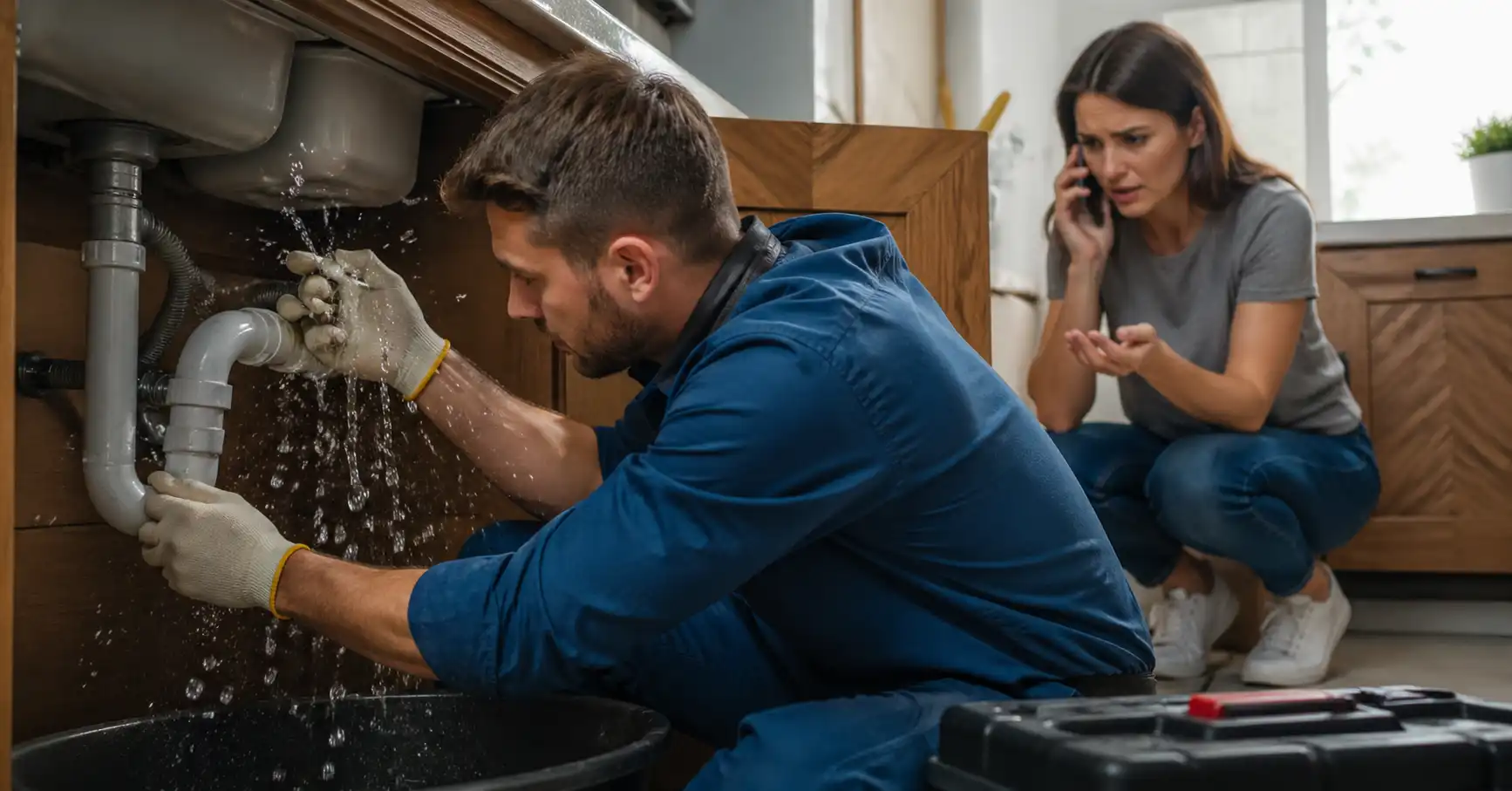
A burst pipe can release a large amount of water into walls, ceilings, cupboards or flooring within a short period. The first warning may be obvious flowing water, but you might also notice a sudden drop in water pressure, damp plaster, unusual noises or unexplained pooling.
Homes in Gosnells, Thornlie and Piara Waters can experience the same risks when ageing fittings, damaged pipework or sudden pressure changes cause a pipe to fail.
If you suspect a burst pipe, turn off the property’s main water supply where it is safe to do so. Move electrical appliances away from the affected area and avoid touching electrical fittings that have been exposed to water.
Once the immediate flow has stopped, a licensed plumber can locate the damaged section and determine whether it needs repair or replacement.
2. Severely Blocked Drains
A slowly draining basin is inconvenient, but a severe blockage can become an emergency when wastewater begins backing up into toilets, showers or floor wastes.
Blocked drains may result from grease, food waste, foreign objects, tree roots or damaged underground pipework. Properties in Forrestdale, Seville Grove and Camillo may also experience drainage issues where tree roots, older pipework or ground movement affect underground lines.
Warning signs can include gurgling drains, unpleasant smells, rising toilet water and several fixtures draining slowly at the same time.
You can use a plunger on a blocked fixture or waste pipe. WA Government guidance states that householders may clear a blocked fixture or waste pipe using a plunger, while most other sanitary and drainage plumbing work must be completed by an appropriately licensed plumber.
Avoid repeatedly using chemical drain cleaners when you do not know what is causing the blockage. They may not resolve structural pipe damage or tree root intrusion.
3. Overflowing Toilets
An overflowing toilet needs quick attention because wastewater can spread across bathroom floors and create hygiene concerns.
This type of problem can affect homes across Armadale, Kelmscott and Maddington, especially when a blockage sits deeper in the drainage system rather than directly within the toilet.
First, stop flushing the toilet. If possible, isolate its water supply and keep people away from the affected area until you know what caused the overflow.
A simple blockage close to the toilet may respond to careful plunging. However, repeated overflowing or problems affecting several drains can indicate a blockage farther along the sanitary drainage system.
4. Major Water Leaks
Not every dripping tap is an emergency. A leak becomes more urgent when water cannot be contained, is entering walls or ceilings, or is appearing near electrical fixtures.
Leaks may develop around flexible hoses, pipe joints, toilets, hot water units, taps or concealed pipes. Damp patches, bubbling paint, mould growth or unexplained water sounds can indicate a hidden leak even when you cannot see flowing water.
Homeowners in Martin, Langford and Cannington should also take unexplained water usage seriously, particularly when there is no obvious visible source.
If the leak is substantial, isolate the water supply and arrange an inspection rather than relying on a temporary patch.
Sewer Backups and Wastewater Problems
Sewage coming back through a toilet, shower or floor waste is one of the more serious common plumbing emergencies.
The problem may involve a major blockage, damaged drainage pipe or another fault within the sanitary drainage system. You may notice strong sewer smells, unusual gurgling or wastewater appearing through low-level drains.
Properties in Ferndale, Leeming and Riverton can face similar issues when shared drainage lines, root intrusion or damaged underground pipes restrict wastewater flow.
Avoid using toilets, showers and sinks until the cause has been identified. Continued water use can add more wastewater to an already restricted drainage system.
Keep children and pets away from contaminated areas and avoid direct contact with wastewater.
Hot Water System Failures
Losing hot water alone may not always require an emergency call-out, but some hot water system faults need prompt attention.
Water leaking heavily from the unit, unusual noises, damaged pipework or signs of an electrical or gas-related fault should not be ignored. Do not dismantle or attempt internal repairs to the system yourself.
Across Southern River and greater Perth, hot water system faults can affect both older homes and newer properties. If you smell gas, move away from the source and follow the appropriate emergency procedure for your gas supply rather than attempting to diagnose the appliance.
How to Respond to Common Plumbing Emergencies
When something goes wrong, a few sensible actions can help limit further damage.
- Identify where the water is coming from.
- Turn off the main water supply if a major leak cannot be controlled.
- Stop using affected toilets, sinks or showers if wastewater is backing up.
- Keep water away from electrical appliances, switches and fittings.
- Use towels or containers to control minor clean water leaks where safe.
- Take photos of visible damage if you may need them for insurance purposes.
- Contact a licensed plumber when the fault requires regulated plumbing work.
These steps apply whether you are in Southern River, Canning Vale, Harrisdale or another nearby suburb. The goal is to control the immediate risk without attempting work that requires a licensed plumber.
In Western Australia, homeowners can perform a limited range of basic jobs, including repairing certain taps, replacing a cistern washer, changing a water filter cartridge and using a plunger to clear a fixture or waste pipe. Most water supply, sanitary and drainage plumbing must otherwise be carried out by a licensed plumber or permit holder.
Why Plumbing Emergencies Should Not Be Ignored
The longer uncontrolled water or wastewater remains in your home, the greater the chance of damage to cabinetry, flooring, plasterboard and other building materials.
A small visible leak can also be the symptom of a larger problem inside a wall or beneath the ground. Likewise, clearing the immediate symptoms of a blocked drain does not necessarily fix broken pipework or root intrusion.
Residents in Huntingdale, Gosnells, Thornlie and surrounding areas should also pay attention to recurring plumbing problems. Repeated blockages, ongoing dampness or fluctuating water pressure can indicate a fault that needs proper investigation.
Understanding what are the most common plumbing emergencies helps you recognise when monitoring the problem is reasonable and when delaying repairs could make the situation worse.
Plumbing Standards in Western Australia
Plumbing work in Western Australia is regulated rather than being treated as general household maintenance.
The WA Government states that plumbing standards are principally prescribed through the Plumbing Code under the Plumbers Licensing and Plumbing Standards Regulations 2000. Current technical guidance also references AS/NZS 3500 for plumbing and drainage work in WA.
These requirements apply across Southern River and nearby Perth suburbs, including Piara Waters, Forrestdale, Armadale and Kelmscott.
Using a properly licensed plumber for regulated work helps ensure repairs are completed in line with applicable requirements rather than relying on temporary fixes that may create further problems.
When to Call a Professional
Call a licensed plumber when you have uncontrolled water, recurring drain blockages, sewage backing up, a burst pipe, a significant concealed leak or another fault that requires regulated plumbing work.
If you are dealing with common plumbing emergencies in Southern River, Canning Vale, Harrisdale, Maddington or nearby areas and cannot safely stop the problem yourself, Advantage Plumbing & Gas can assess the issue, locate the cause and carry out the required plumbing repairs.
Turning off the water can reduce immediate damage, but it does not replace repairing the source of the fault. Arrange professional help when you are unsure about the condition of your pipework, drains or plumbing fixtures.
Conclusion
So, what are the most common plumbing emergencies? Burst pipes, severe drain blockages, overflowing toilets, major leaks, sewer backups and serious hot water system faults are some of the situations that may require quick action.
Know where your main water isolation valve is located, stop using affected fixtures and avoid attempting plumbing work that requires a licence. If an urgent plumbing problem occurs at your Southern River property or in nearby areas such as Cannington, Ferndale, Leeming or Riverton, contact Advantage Plumbing & Gas for help identifying the cause and getting the plumbing system back into safe working order.
Frequently Asked Questions
Is a blocked drain considered a plumbing emergency?
It can be. A slow drain may not require immediate assistance, but wastewater backing up through toilets, showers or floor wastes can require urgent plumbing attention.
What should I do first if a pipe bursts?
Turn off the main water supply if it is safe to do so. Keep water away from electrical fittings and arrange for a licensed plumber to locate and repair the damaged pipe.
Is an overflowing toilet an emergency?
An overflowing toilet can become an emergency when wastewater cannot be contained or continues entering the room. Stop flushing, isolate the water supply if possible and avoid using connected fixtures until the blockage is assessed.
Can I fix a plumbing emergency myself in Western Australia?
Only certain basic plumbing tasks can legally be performed by homeowners. Simple actions such as using a plunger may be suitable in some cases, while most water supply, sanitary and drainage plumbing requires a licensed plumber.