Gas is widely used in Perth homes for cooking, heating and hot water, but a leaking pipe, loose connection or faulty appliance can quickly become a serious safety concern. Gas leak detection helps identify problems before a small leak develops into a larger hazard. Knowing the warning signs and understanding what to do when you suspect a leak can help protect your household, property and appliances.
A gas smell should never be ignored. Modern fuel gases have an added odour to make leaks easier to recognise, so an unusual rotten-egg or sulphur-like smell may be an important warning. Gas leak detection is not simply about finding the source; it is about responding safely and knowing when professional assistance is needed.
Why Is Gas Leak Detection Important in Perth Homes?
A gas leak may occur at an appliance connection, pipe joint, valve, regulator or section of pipework. Some leaks are obvious because they produce a strong smell, while others may be small enough to go unnoticed for a period of time.
Regular gas leak detection can help identify faults before they cause more serious problems. A leaking gas line can increase the risk of fire or explosion if gas accumulates near an ignition source. Poorly operating gas appliances can also contribute to carbon monoxide risks when combustion or ventilation is inadequate.
Western Australia’s Building and Energy guidance states that gas smells in a home are not normal and can indicate a hazard. It also recommends taking immediate precautions, including removing ignition risks, ventilating the building where appropriate and reporting the incident.
For Perth households, gas leak detection services can therefore form part of responsible gas system maintenance rather than being something considered only after an emergency.
What Are the Common Signs You May Need Gas Leak Detection?
The smell of gas is one of the clearest warning signs, but it is not the only one. A homeowner might also notice an unusual hissing sound near pipework, a gas appliance behaving differently or an unexpected change in gas usage.
Some warning signs can be easy to dismiss because they do not always appear dramatic. For example, a faint smell around a cooktop or heater may come and go depending on whether the appliance is operating.
Other signs that may justify gas leak detection include unexplained dead vegetation close to an underground gas line, visible damage around pipework, loose connections or a pilot light that repeatedly goes out.
A useful approach is to treat an unexplained gas smell or suspected fault seriously rather than attempting to identify the cause by dismantling an appliance or pipe connection.
How Can You Respond Safely to a Suspected Gas Leak?
The safest response depends on the circumstances. If there is a strong gas smell, an obvious leak, fire, injury or immediate danger, move away from the affected area and contact emergency services when necessary.
For a suspected leak, gas leak detection should never involve creating a flame to locate escaping gas. Matches, lighters and other ignition sources can turn a leak into a much more dangerous situation.
The Western Australian Government recommends removing ignition risks, avoiding electrical switches and ventilating the building by opening doors and windows where appropriate. It also advises turning off the gas supply if possible and not re-entering until the area is safe.
Immediate gas safety steps
- Avoid smoking, matches, lighters and naked flames.
- Do not switch electrical equipment or lights on or off if you suspect gas is present.
- If it is safe to do so, turn off the gas supply at the meter or cylinder.
- Leave the building or affected area if the smell is strong or the situation feels unsafe.
- Open doors and windows where this can be done without creating additional risk.
- Contact the relevant gas supplier or an appropriately licensed gas professional.
- Call 000 if there is an immediate threat to life, fire or another serious emergency.
These steps are for making the situation safer, not for repairing the leak yourself.
Gas Leak Detection: What Can Cause a Gas Leak?
Gas leaks can have several causes. Connections may loosen over time, pipework can deteriorate, appliances can develop faults and accidental damage can affect exposed gas lines.
Older installations may also require closer attention, particularly where pipework, valves or appliance connections have been exposed to wear for many years. Renovations, landscaping and building work can create another risk if existing gas services are disturbed.
The location of the leak matters because gas can escape from a point that is not immediately visible. This is why gas pipe leak detection may require more than a basic visual inspection.
A professional may assess the gas installation, isolate sections where appropriate and use suitable testing equipment to determine whether gas is escaping and where the fault is located.
How Does Professional Gas Leak Detection Work?
Professional gas leak detection is designed to identify a leak without relying on guesswork. The exact method depends on the property, type of gas installation and suspected location.
A qualified professional may inspect accessible pipework, appliance connections, valves and fittings. Gas pressure or other appropriate tests may also be used to assess whether the system is maintaining the expected conditions.
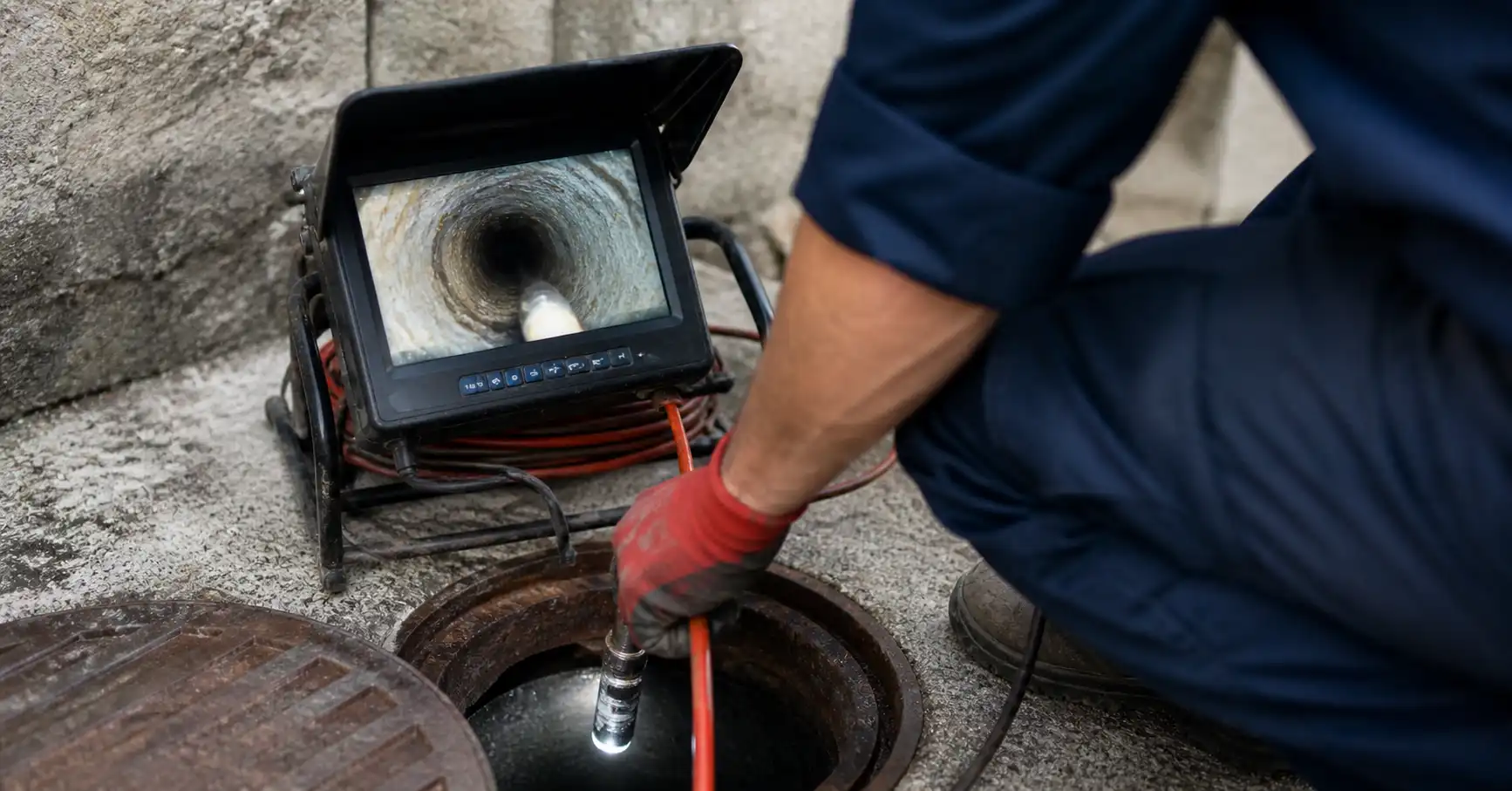
Specialised detection equipment can assist when the source is difficult to identify. This is particularly useful when there is no obvious visible damage or when the suspected leak is located behind, beneath or around other building elements.
The process may include inspection, testing, locating the source, assessing the condition of the affected component and recommending the appropriate repair. Gas leak testing should be carried out using suitable procedures and equipment rather than improvised household methods.
For more information about what to do when a gas problem occurs, the Western Australian Government provides detailed gas safety guidance for households, including advice about smells, ventilation, ignition risks and reporting incidents.
Gas Leak Detection Methods Compared
| Detection approach | What it can help identify | Suitable use | Important consideration |
| Visual inspection | Damaged pipes, fittings or connections | Initial assessment | Not every leak is visible |
| Odour awareness | Possible escaping fuel gas | Immediate warning sign | Never rely on smell alone to locate a leak |
| Pressure testing | Loss of pressure within a gas system | Professional assessment | Requires suitable equipment and procedures |
| Electronic detection equipment | Gas concentration around suspected areas | Difficult-to-locate leaks | Should be operated appropriately |
| Appliance inspection | Faults around appliance connections | Suspected appliance leak | Appliance work may require a licensed professional |
The table highlights an important point: no single method is appropriate for every situation. Professional gas leak detection may involve several checks before the source is confirmed.
When Should You Arrange Gas Leak Testing?
Gas leak testing may be appropriate when there is a suspected leak, unusual gas smell, concern about pipework or a problem with an appliance connection.
It can also be worth investigating a gas system when a property has undergone building or renovation work that may have affected gas services. If a gas appliance has been moved, replaced or connected differently, the associated pipework and connections should be assessed appropriately.
Homeowners should avoid treating gas leak testing as a DIY repair task. Finding a suspected leak is only part of the job. The system may still need to be isolated, repaired and tested correctly before it can safely return to normal use.
What About Gas Appliance Leak Detection?
Gas appliances can develop problems around hoses, fittings, valves and connection points. A cooktop, oven, heater or hot water system may therefore require gas appliance leak detection if there are signs of a problem.
An appliance that produces an unusual smell, repeatedly loses its pilot light or does not operate normally should not simply be ignored. In some cases, the problem may be unrelated to a gas leak, but it still deserves proper assessment.
Gas appliances also need adequate ventilation and correct operation. Western Australian Government guidance notes that gas appliances should be in good working order, used correctly and operated in properly ventilated areas.
Why Professional Gas Leak Detection Matters
Trying to locate or repair a gas leak without appropriate knowledge can create unnecessary risk. Gas is highly combustible, and an incorrect repair can leave the underlying problem unresolved.
Professional gas leak detection provides a more structured approach. Instead of simply looking for a visible fault, the technician can assess the wider installation and determine whether the suspected leak is associated with pipework, an appliance or another component.
Once the source is identified, gas leak repair can address the faulty component. The system can then be checked as appropriate before normal use resumes.
For Perth property owners, choosing appropriately licensed and authorised professionals is especially important because gasfitting work in Western Australia is regulated.
What Is the Difference Between Gas Leak Inspection and Gas Leak Detection?
A gas leak inspection is generally broader than simply looking for escaping gas. It can involve examining accessible pipework, appliance connections and other components for signs of deterioration, damage or unsafe conditions.
Gas leak detection, on the other hand, focuses specifically on determining whether gas is escaping and locating the suspected source.
The two can work together. An inspection may identify a component that needs further testing, while detection equipment or pressure testing may help confirm whether a leak exists.
This distinction is useful because not every gas system problem produces an obvious leak. A professional assessment can help separate a suspected leak from other appliance or installation issues.
When Is Emergency Gas Leak Detection Necessary?
Emergency gas leak detection becomes particularly important when there is a strong gas smell, a suspected major leak, visible damage to gas infrastructure, a fire risk or another immediate safety concern.
Do not wait for the smell to disappear before taking action. If you believe there is an active gas leak, move to a safe location and seek appropriate assistance.
The WA Government states that fuel gas incidents in Western Australia must be reported to the relevant gas supplier and the Director of Energy Safety, while emergency services should be contacted where there is immediate danger.
How Can Perth Homeowners Reduce Gas Leak Risks?
Good gas safety starts with paying attention to changes rather than waiting for a major problem. Keep an eye on the condition of accessible pipework and appliance connections, follow manufacturer servicing recommendations and do not ignore unusual smells or appliance behaviour.
Avoid modifying gas installations yourself. If building work, renovations or landscaping are planned around existing services, make sure the gas installation is considered before work begins.
Routine gas leak detection may also provide reassurance when there are reasonable concerns about the condition of an installation, particularly where older components or previous modifications are involved.
Most importantly, never assume that a minor smell is harmless simply because an appliance still appears to work normally.
Final Thoughts on Gas Leak Detection in Perth
Knowing the warning signs can make a significant difference when dealing with a suspected gas problem. A strange odour, hissing sound, damaged pipe or unusual appliance behaviour should be treated as a reason to investigate rather than something to put off.
Safe gas leak detection starts with removing immediate ignition risks and getting people away from danger. Identifying and repairing the underlying problem should then be left to an appropriately qualified professional.
If you need assistance with suspected gas leaks or related gas fitting issues, Advantage Plumbing & Gas provides information about gas leak repair, gas fitting and emergency gas services in Perth. Contact the team today for professional assistance when a gas problem needs attention.
Frequently Asked Questions
1. What does a gas leak smell like?
Fuel gases are commonly given an added odour to make leaks easier to notice. A rotten-egg or sulphur-like smell can be a warning sign. If you smell gas, avoid ignition sources and take appropriate safety action.
2. Can I use a gas leak detector at home?
A household gas detector can provide an additional warning in some circumstances, but it should not replace professional assessment. A suspected leak still needs to be investigated appropriately, particularly if there is a strong smell or other warning sign.
3. How often should gas leak detection be carried out?
There is no single interval that suits every property. The appropriate approach depends on the age and condition of the installation, appliances, manufacturer recommendations and any signs of a problem. Professional advice can help determine whether testing is warranted.
4. What should I do if I smell gas in Perth?
Avoid flames, smoking and electrical switches. If it is safe, turn off the gas supply and ventilate the property. Move away from the affected area and contact the relevant gas supplier or qualified professional. Call 000 if there is immediate danger.
5. Can a small gas leak become a serious problem?
Yes. Even a small leak should not be ignored because escaping gas can create a fire or explosion risk if it accumulates near an ignition source. Prompt assessment can help identify the problem before it becomes more serious.