you’re preparing dinner on a cool Perth evening when suddenly you catch that unmistakable rotten-egg smell. Yikes – a gas leak! In moments like this, you need fast and safe help. As a homeowner, the thought of a gas leak can be nerve-wracking. You want expert Gas Leak Repairs done quickly – not a risky DIY hack.
In this post, we’ll chat about the nitty-gritty of gas leak fixes, so you know exactly what to expect. Think of it as a roadmap: how to spot a leak, why you should always call a professional, and the step-by-step process a Perth gas specialist follows to keep you and your family safe.
Gas leaks are serious business. Unlike a dripping tap or flickering light, a gas leak is an emergency – your well-being (and home) are at stake. We’ll break down:
- The signs you might have a gas leak
- The dangers of ignoring them
- Why only a licensed pro should handle gas fixes
- The step-by-step repair process you can expect
- Tips to prevent leaks in the first place
By the end, you’ll feel confident spotting trouble and knowing that when it comes to Gas Leak Repairs, Perth professionals have your back – fast and with your safety in mind.
Why Gas Leak Repairs Are Crucial in Perth
First off, let’s get real about danger. Gas leaks aren’t just inconvenient – they’re hazardous. Natural gas or LPG (like the propane in BBQs) is highly flammable, and even a tiny spark can trigger an explosion. Worse, leaks can produce carbon monoxide, a sneaky odourless gas that can make you sick or even cause death if you inhale it. In short: ignoring a gas leak is not an option.
As soon as you suspect a leak, you should treat it like a top-priority emergency. Perth’s energy authorities stress this: if you smell gas, evacuate and get professional help immediately. For example, the WA Government’s gas safety guidelines advise to turn off the gas supply at the meter, ventilate the area, and contact emergency services. That’s because gas rises and can build up in confined spaces – turning a minor leak into a major disaster.
Gas Leak Repairs are all about speed and safety. A quick response limits danger to your home and loved ones. In Perth, there are 24/7 emergency gas specialists ready to roll out. These pros use advanced leak-detection gear (think electronic sniffers and thermal cameras) to find trouble fast. They also follow strict safety protocols to contain any leak before it causes harm. In other words, Gas Leak Repairs by experts = peace of mind.
Can You Spot a Gas Leak? Common Warning Signs
Often the only clue to a gas leak is something you feel or smell. Here are the red flags to watch (and what to do):
That rotten-egg smell:
Gas companies add a stinky odorant to gas so you can smell leaks. If you suddenly notice a sulfur-like (rotten egg) odor, don’t ignore it. It means gas is escaping. Immediately turn off gas appliances and head outside for fresh air.
Hissing or whistling noises:
If a gas pipe has a leak, you might hear a faint hiss or whistle near it. This indicates gas under pressure is escaping. Again: stop what you’re doing, leave the area, and get help.
Dying vegetation:
Believe it or not, gas leaks can kill plants. If you see patchy dead grass or wilting plants around your gas meter or lines, that could be a sign of an underground leak venting gas into the soil. It might look like lawn neglect, but it could be your wake-up call.
Physical symptoms:
Unexplained headaches, dizziness, nausea or feeling sleepy when indoors (that improve once you step outside) can point to a gas or carbon monoxide leak. Never brush off these symptoms – they can be your body’s way of warning you about gas in the air.
If you notice any of these signs, act immediately: turn off gas at the meter (if you can do so safely), leave the building, and call emergency services or your gas company’s 24-hour hotline. (In WA, dial 000 for major leaks.) Then contact a licensed plumber or gas fitter for repairs.
Signs & Actions Table
| Warning Sign | What It Means | Immediate Action |
| Sulfur smell (rotten egg) | Odorant in gas indicates a leak | Turn off gas, evacuate building, ventilate, call pro |
| Hissing or whistling sound | High-pressure gas escaping from pipe | Leave area, shut off gas, call emergency/plumber |
| Dead or discoloured plants | Buried gas leak suffocating roots | Keep distance, notify gas provider or licensed fitter |
| Flickering pilot light (if any) | Gas supply inconsistencies | Turn off appliance, leave it off, call gas fitter |
| Unexplained nausea/headache | Possible exposure to gas/CO | Evacuate, get fresh air, seek medical advice if needed |
Trust the Pros: Why Only an Expert Should Fix It
You might be tempted to grab some duct tape or play DIY hero, but hold that thought. Gas systems are far too dangerous for untrained tinkering. In Australia, the law makes this crystal clear: only licensed gasfitters can work on gas lines. That means the person repairing your leak has undergone serious training and holds a certification.
Here’s why DIY is a no-go:
Safety protocols:
Gas leak repairs require strict safety checks. Pros wear special equipment and follow steps to make sure there’s no spark or flame anywhere. They know to shut off the right valves, vent the gas safely, and keep everyone clear.
Specialized tools:
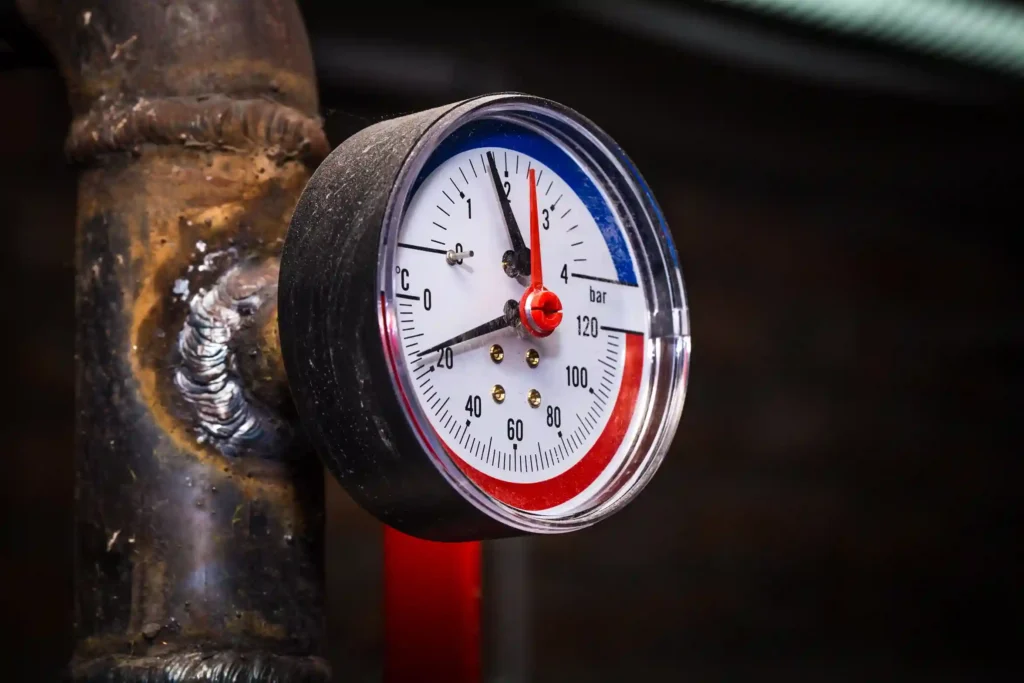
Detecting and fixing leaks isn’t about guessing. Licensed gas fitters use calibrated gas detectors, pressure gauges and even thermal cameras to pinpoint leaks. Most homeowners don’t have these – a quick soap-bubble test just won’t cut it if the leak is hidden behind walls.
Compliance and insurance:
Any gas work must meet Australian standards and code. If you attempt DIY repairs (or hire an unlicensed handyman), you could be breaking regulations. Worse, insurance companies can refuse a claim if a non-professional did unlicensed gas work. Save yourself the headache – call a pro and get a compliance certificate for any fix.
Licensed gas fitters carry insurance and guarantees, too. If there’s any issue after the repair, they’re on the hook to fix it properly. You won’t get that peace of mind from a garage sale acetylene torch kit.
The Gas Leak Repairs Process: Step-by-Step
So you’ve called a 24/7 gas fitter in Perth – what happens next? Most qualified professionals follow a reliable process to ensure your leak is safely eliminated:
Emergency Assessment & Isolation: As soon as they arrive, the gas technician puts on safety gear and checks for immediate dangers. They’ll confirm the gas is off at the meter and the area is ventilated. Then, they’ll scan the property with a gas sniffer or detector to locate the leak’s approximate source. They may also visually inspect appliances, valves and pipelines for damage.
Leak Detection: Pros use high-tech tools to find the exact leak:
- Electronic gas detectors: Handheld devices that ‘smell’ gas at a molecular level, zeroing in on the leak spot.
- Soap solution: For visible joints, they might apply soapy water; bubbles form where gas escapes.
- Pressure testing: By pressurising sections of pipe and monitoring pressure gauges, they identify drops that indicate leaks.
- Thermal imaging: In some cases (like underfloor or underground leaks), infrared cameras can spot temperature differences from escaping gas.
This thorough search ensures no hidden leaks are missed.
Turn Off & Vent: If the leak source is confirmed, the fitter isolates that section of pipe. If it’s an appliance, they’ll turn it off and shut its valve. If it’s buried or behind a wall, they may temporarily cap that pipe section to stop more gas escaping. Throughout, they make sure the home stays well-ventilated (windows and doors open, fans on if needed).
Repair or Replace: Now for the fix. Depending on the problem, the expert might:
- Tighten or seal joints: Sometimes a simple loose fitting is the culprit. A special high-grade sealant or wrench can stop the leak.
- Replace pipe or fitting: If a section of pipe is corroded, cracked, or too damaged, it’s cut out and replaced with new piping. This is common for steel gas lines that rust, or old flexible hoses near appliances.
- Service appliances: If a faulty valve or component caused the leak (like a gas heater or stove), the technician will repair or swap that part.
Modern gasfitters use only certified parts and tools. They’ll often pressurise the pipe (with air, not gas) to double-check the seal after fixing the leak before turning things back on.
Safety Testing: After repairs, the big test is to ensure zero leaks. The plumber will fully restore the gas supply and carefully monitor pressure levels. If the system holds pressure (meaning no drops detected), they know the leak is gone. They’ll also check that any appliances light up properly and vent correctly.
Final Checks & Advice: Once the gas line is safe, the technician often provides a short walkthrough. They might point out what caused the leak (age, corrosion, physical damage, etc.) and give tips to prevent future issues. If applicable, they hand you a compliance certificate or Notice of Completion, which is legally required in WA for gas work.
Documentation: Professional gasfitters will document the repair – a description of the fix, materials used, and sometimes a hand-drawn pipe schematic. This paperwork can be important if you ever sell your home or if you claim insurance.
Fast, 24/7 Perth Service
Perth homeowners are lucky to have round-the-clock gas emergency services. Many gas repair companies (and general plumbers with gas-licensing) offer 24/7 response. That means whether it’s early morning or Christmas Day, you can (and should) get help right away.
An urgent leak repair can often be done the same day. For a minor leak (say, a small hose or fitting), a pro can usually fix it in a couple of hours. Bigger jobs – like digging up a buried pipe in your yard – may take longer or require scheduling heavy equipment. In any case, reputable Perth gas repair experts aim to minimize disruption. They know you’re anxious, so they work efficiently without cutting corners on safety.
Always ask the company or plumber how quickly they can respond. When you call, mention it’s a “gas leak” emergency, and they’ll likely bump you to the front of the queue. While you wait, avoid using any flames or electrical switches and do ventilate by opening windows.
Tips to Prevent Gas Leaks
Of course, the best fix is no leak at all. Here are some pro tips:
- Get regular maintenance: Have a licensed gas fitting service inspect your gas appliances (heater, hot water, stove) at least once a year. They can spot wear or loose parts before a leak happens.
- Install detectors: Use a natural gas detector and a carbon monoxide alarm. These devices can give you an early warning at the first whiff of trouble.
- Know your equipment age: If your gas heater or stove is 10+ years old, consider replacing it. Older appliances are more prone to leaks or failure.
- Turn off gas when away: If you go on holiday, switch off your main gas supply at the meter. This prevents leaks while you’re not watching.
- Avoid DIY plumbing: Don’t do any home renovations involving gas lines yourself. Even moving a kitchen appliance can cause a loose joint. Always hire a licensed professional.
- Check hoses and fittings: Especially for portable gas items (like outdoor heaters or BBQs), inspect hoses and connections regularly for cracks or corrosion.
- Stay informed: Bookmark emergency numbers. In WA, you can call emergency services (000) for a major leak, or your gas distributor (e.g. Kleenheat Gas 1800 093 336) and a licensed gas fitter.
By staying vigilant and following these tips, you greatly reduce the chance of unexpected leaks. But if one does occur, you’ll be ready.
Why Gas Leak Repairs Matter
Gas is still a popular and efficient fuel in Australian homes and workplaces. Perth winters can be cool (or even cold inland), and many families rely on gas heaters, hot water systems, and stoves. So the demand for reliable gas leak repairs services continues. Today’s trends also include upgrading to more energy-efficient appliances and switching to natural gas or LPG smartly.
Moreover, with so many modern homes being well-sealed for energy efficiency, any leaked gas can linger longer if not handled. Gas safety technology has also improved – for instance, some companies now offer rapid-response leak detection drones for commercial sites, and smart gas sensors for home use. But regardless of tech, the core need remains: licensed experts to handle leaks. For official guidance on household gas safety and prevention, you can refer to the WA Government’s resource.
As housing and development booms in Perth and WA, gas infrastructure expands. This means there are more pipes and meters out there, and thus a potential for leaks. The gas industry and regulators stress ongoing safety education. You might see campaigns reminding people to “gas check” their homes, and social media sharing tips for homeowners.
At a personal level, being aware of gas leak repairs and having a trusted plumber on speed dial (or saved on your phone) is a modern homeowner’s best practice. It’s like having a smoke alarm and fire extinguisher – better safe than sorry.
Conclusion: Act Fast, Stay Safe
Gas leaks aren’t the kind of problem you procrastinate on. When it comes to Gas Leak Repairs in Perth, acting quickly can be the difference between a minor scare and a major disaster. Here’s the bottom line:
- If you smell gas or see warning signs, do not hesitate. Turn things off, get fresh air, and call emergency services or your gas provider immediately.
- Never try to fix a gas leak yourself. Only licensed professionals offering gas fitting service in Perth have the training and equipment to handle leaks safely
- Perth has 24/7 emergency gas repair services – use them. These professionals will secure the area, find the leak, and fix it to code.
- Afterward, get advice on keeping your gas system leak-free (like regular maintenance and using quality equipment).
Your home is one of your biggest investments, and your family’s safety is priceless. By trusting experts for gas leak repairs, you’re making sure both are protected. Don’t gamble with gas – reach out to a licensed Perth gas fitter at the first whiff of trouble and sleep easier knowing the job will be done fast and safe.
Stay safe, Perth! And remember: when in doubt, lean on the experts for your gas safety needs.
FAQs
What should I do if I smell gas in my home?
Immediately evacuate the area and avoid any flames or electrical switches. Turn off the gas at the meter (if safe to do so), open windows, and call emergency services (000) and a licensed gas fitter. Do not re-enter until it’s declared safe.
Can I attempt to fix a gas leak myself?
No. Gas lines are dangerous and complex. Australian law requires only licensed professionals to perform gas leak repairs. DIY repairs can lead to explosions, injuries, and will void your insurance. Always call a certified gas fitter for safe repair.
How quickly should a gas leak be repaired?
Gas leaks are emergencies. Ideally, repairs happen within hours of detection. Most Perth gas services offer same-day or 24/7 emergency response. Prompt repair prevents accidents and restores safety faster.