Ever stepped into a cold shower mid-wake-up? Yikes – that’s your hot water system crying for help. Whether you’re starting the day with a cuppa or winding down with a warm bath, nothing derails the morning routine faster than a hot water system that’s acting up. In Perth (or anywhere, really), knowing the warning signs can save you from surprise icy showers.
This guide walks you through when hot water service repairs are needed, how to troubleshoot simple fixes, and what to expect when a licensed plumber arrives to save your morning. Keep reading – I’ll guide you step-by-step, with a dash of wit and plenty of practical tips.
Common Hot Water Problems and What They Mean
Hot water systems can give subtle hints before totally quitting on you. Watch for these red flags:
No Hot Water at All: The most obvious sign! It could be something simple – a tripped breaker on an electric heater or an unlit pilot light on a gas unit. Hilton Plumbing (Perth) notes that an “issue with the existing gas supply” or a faulty pilot can be to blame.
Check your circuit breakers and relight the pilot (if you’re comfortable), but if that doesn’t fix it, it’s time for hot water repairs. Don’t leave the house shivering all day – call a professional plumber.
Water Not Hot Enough or Fluctuating: If your water is lukewarm or the temperature keeps changing, sediment buildup or a bad thermostat might be the cause. Sediment on the bottom of the tank can insulate the heating element, making the last bit of water cooler.
Resetting the thermostat (or flushing the tank) can sometimes help, but beware of DIY thermostat tweaks – Aussie standards require hot water to be stored at 60°C to kill bacteria (like Legionella) and delivered at no more than 50°C at the tap. If resetting doesn’t fix it, a licensed plumber should check the heater’s guts (heating elements, sensors) to safely restore proper heat.
Hot Water Runs Out Too Quickly: Suddenly your shower turns cold halfway through? Either your household’s demand has increased (more housemates, longer showers), or your tank’s gotten tired. Sometimes simply adding water-saving shower heads or flow restrictors can stretch your supply.
But if it used to last and now doesn’t, sediment reducing capacity or even a failing element could be the culprit. Upgrading to a larger tank or adding a second heater might be the answer – consult a plumber about your options.
Leaking or Pooling Water: Find puddles around your heater? A small drip from the temperature-pressure relief valve is normal (it runs when heating to relieve pressure), but a constantly dripping valve or water in the base of the unit is not.
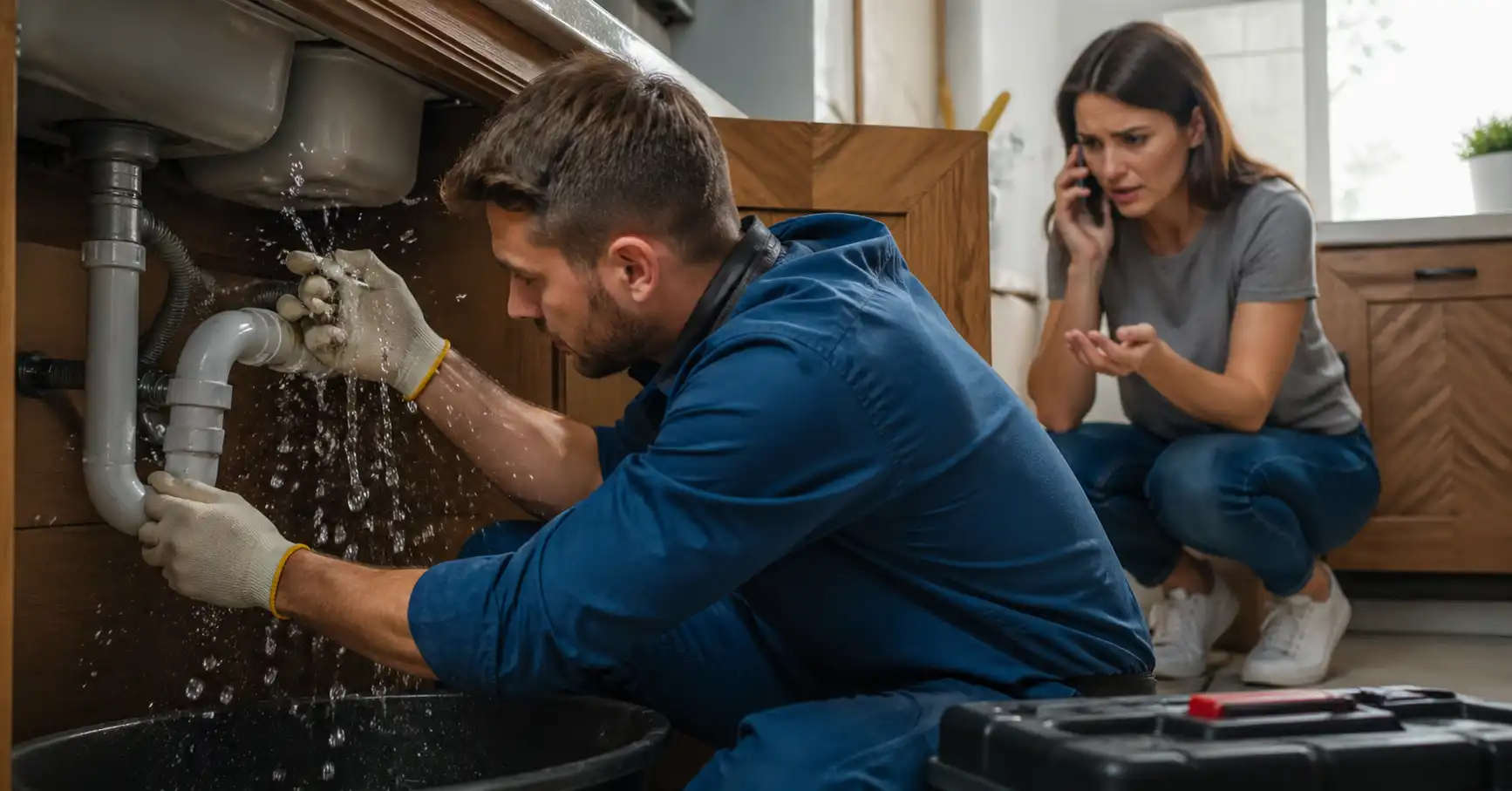
Hilton Plumbing warns that if the relief valve “is consistently running” or there’s water in the base, urgent repairs are needed. Leaks often mean corrosion inside the tank or a broken valve. Don’t ignore even small drips – a hot water leak repair promptly by a professional can prevent a flood and the need for a full replacement.
Noisy Pipes or Banging Noises: If turning on hot taps sets off a mini percussion section (pipes banging) or your tank starts rumbling, sediment is probably hard at work. Sediment can trap steam bubbles that “pop” loudly when they hit cold water.
This affects efficiency and can damage the tank over time. Flushing the tank might quiet things, but if the noise persists, call it a signal for hot water repairs. A plumber will clean out sediment and check valves so your morning shower isn’t accompanied by a bang.
Rust-Colored or Smelly Water: Yellow or brown water from hot taps (when cold water is fine) signals corrosion. The sacrificial anode rod in the tank may be eaten up, or the tank itself might be rusting. In this case, flush the tank and replace the anode rod if you’re handy.
But if water keeps looking like cola, it could be time for a new tank. Address this early: letting corrosion go unchecked can lead to tank leaks later (and, of course, endless hot water leak repairs).
Many of these problems overlap. For example, sediment can cause noisy pipes and inconsistent heat and shorter supply. Pro tip: if you flush your tank yearly (drain and refill), you can prevent a lot of sediment troubles and extend the life of the system.
Quick DIY Checks vs. Calling a Plumber
Before dialing the plumbing emergency line, there are a few safe checks you can do yourself:
Check the Power/Gas Supply: Make sure electricity is on and no breaker tripped. For gas systems, ensure the main gas valve is open and the pilot light is lit. Sometimes the fix is as simple as flipping a switch or relighting a pilot.
Reset the Heater: Look for a reset button (often red) on electric heaters. Press it to restart the heating element. Wait about an hour to see if water heats back up.
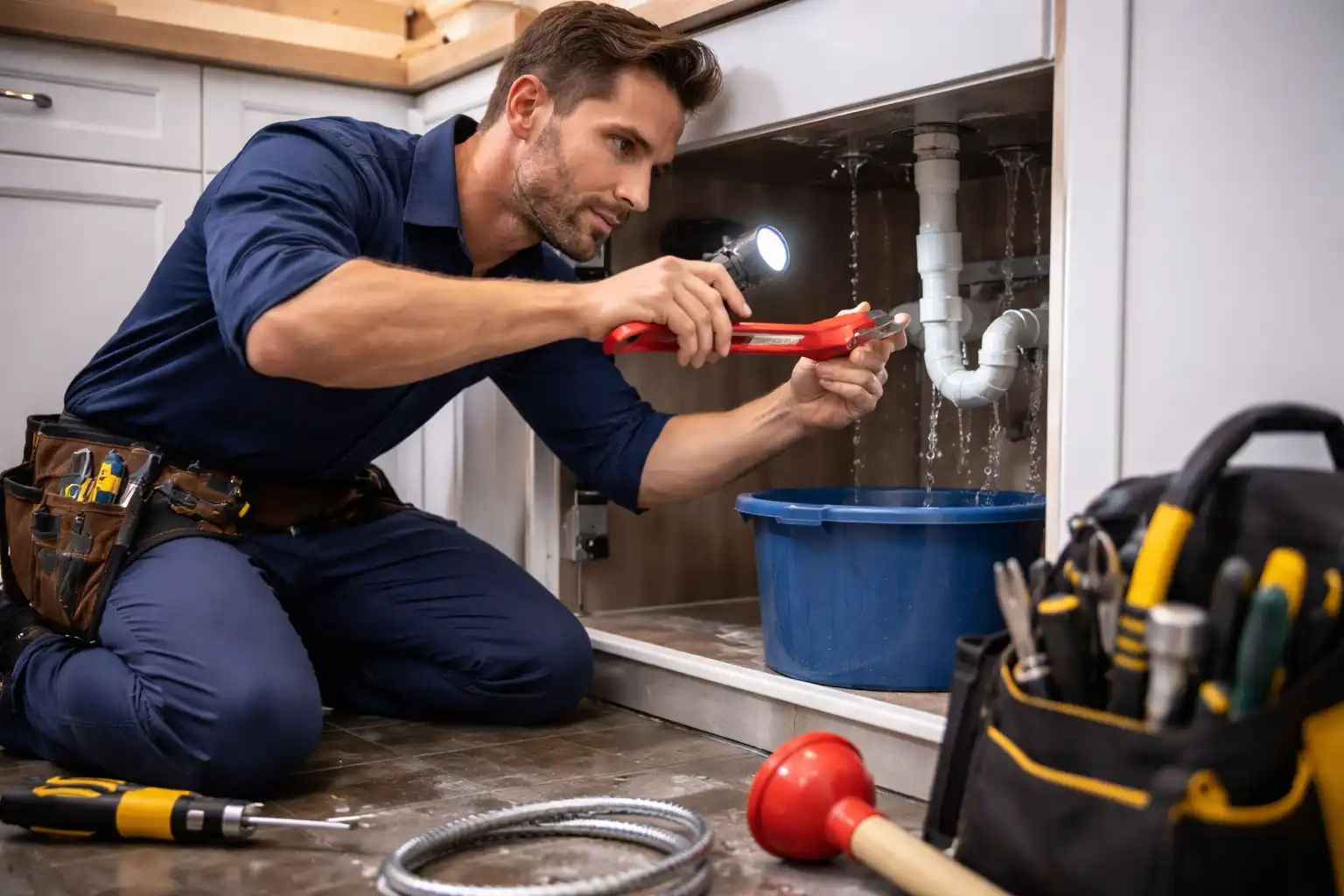
Inspect for Leaks: If you see water under the tank, immediately turn off the cold water inlet and electricity/gas. Try to trace the leak: it might be a loose valve or hose. Tightening a fitting might help, but any serious leak requires a plumber.
Adjust Tempering Valve (with Caution): The tempering (mix) valve blends hot and cold water to cap the outlet at about 50°C (a safety requirement). If your water feels tepid, the tempering valve might need adjustment or replacement. Warning: Don’t crank it up yourself without knowing what you’re doing – this can cause scalding or violate regulations. Best leave this to the pros.
Remember, safety first. If you’re not sure, it’s better to call a pro. In Western Australia, many plumbing jobs, including hot water system installation and repairs, must be carried out by licensed plumbers. You can learn more about the legal requirements on the WA Government’s guide to plumbing work in your home. This isn’t just bureaucracy—it helps ensure the work complies with safety standards and protects your home and family.
What Happens When a Plumber Comes to Repair Your Hot Water
Once you decide hot water service repairs are needed and you call a professional, here’s what typically happens:
Diagnostic Visit: A Perth plumber will arrive with a van full of parts for major brands. For instance, Hilton Plumbing advertises that their plumbers come “carrying spare components for all major makes and models”. They’ll inspect your system, check the power/gas, valves, tank, and identify the issue.
Transparent Assessment: They should tell you if it’s a minor fix (like replacing a valve or thermostat) or if the tank is beyond repair. Industry wisdom (and a quick rule of thumb) says if your heater is over 10–12 years old and issues are piling up, replacement might make more sense.
Repair Work: Most common repairs – swapping out a corroded anode rod, fixing a thermostat, resealing a valve – can often be done in a couple of hours. In fact, typical hot water work is relatively quick: standard tank replacements in WA take about 3–6 hours. (Heard horror stories about week-long water outages?
Usually it’s much faster.) The plumber will fix or replace only what’s needed, following codes (such as installing or checking that tempering valve to keep water at safe temperatures).
Cost Expectations: You’ll likely be charged a service call fee plus hourly labor ($100–$150/hr is common) and parts. For perspective, the QuoteYard cost guide notes that a basic electric hot water replacement in WA runs around $1,500–$2,500 installed.
So a small repair could be $200–$600 depending on parts. Always get a quote upfront. Some plumbers, like Hilton, promise transparent pricing and might show you what they’re doing.
Upfront Compliance: Licensed plumbers will ensure compliance. That means proper pressure relief valve drainage, safe venting for gas units, insulation on pipes, and more. They’re also aware of WA’s specific rules (only licensed gas fitters can touch gas lines, for example).
Final Checks: After fixing or installing, they’ll test everything. Hot water should reach the right temp, no leaks anywhere, and no more strange noises. Make sure they check the water heater timer or switch you might have – it should be on so you actually get hot water! They often clean up and explain the work, which is nice.
Warranty & Advice: Reputable plumbers often guarantee their work. They’ll also advise you on maintenance: e.g., flushing the tank annually, or checking the expansion valve. Perth’s water (hardness) can be tough on systems, so good advice can save you headaches.
Here’s a quick comparison table summarizing those common issues, causes, and solutions:
| Issue | Possible Cause | Repair/Action |
| No hot water | Pilot light out, tripped breaker, bad thermostat | Check/reset power; if not fixed, plumber fixes components |
| Water too cold/inconsistent | Thermostat mis-set, worn heating element, sediment | Verify settings (don’t exceed 60°C!), flush tank, replace element or thermostat |
| Hot water runs out quickly | Sediment build-up, undersized system | Flush tank, consider larger unit or backup system |
| Leaking water heater | Corroded tank, faulty valves or relief valve | Shut off water, call plumber for hot water leak repair ASAP |
| Noisy pipes or tank | Sediment causing “pops”, high pressure | Flush tank, install or fix valves; plumber checks piping |
| Discolored/smelly water | Corroded anode rod or tank, water quality | Replace anode rod, flush tank; if tank rusted, consider replacement |
Table: Common hot water issues, their causes, and typical fixes.
Deciding Between Repair or Replacement
So you’ve got a stubborn hot water system. How do you decide repair vs. replace? General guidance (echoed by experts like Rheem) says:
If your unit is young (under ~8 years), a single part failure often means repair is cheaper. Heating elements, thermostats, sensors and valves are meant to be replaced if they wear out.
If your system is old (10+ years), leaks from the tank, or you’ve had repeated breakdowns, replacement is wise. Replacing an old system also avoids the risk of major flooding later.
As Rheem puts it, “if repair costs exceed 50% of a new unit’s price, replacement is usually better”. Plus, new units come with fresh warranties (often 5–10 years) and are far more energy-efficient than decade-old models.
Remember, hot water installation must also be done by a licensed plumber in WA. If you do replace, ensure the installer is properly certified – this guarantees the work meets all safety standards. It’s not the place to skimp or DIY.
In Perth, with rebates (like solar hot water rebates) and rising energy costs, some households use a repair as an excuse to upgrade to a more efficient system (tankless gas or heat pump). That’s trending now – heat pump hot water systems use ~30% of the energy of a conventional electric tank. If bills are a worry, mention this to your plumber when discussing options.
Staying Safe and Spotting Scams
A quick word: make sure you hire qualified, reputable plumbers for any hot water work. WA has a public licence register (DMIRS) where you can verify the plumber’s license. Unlicensed work can void your insurance or even risk danger.
Also, avoid one-man bands that only take cash; go for a known company (many have 24/7 emergency lines). Don’t fall for scare tactics like “you’ll flood your house if you wait!” – though, if it’s a real leak, action is wise.
In terms of scams, be wary of upfront quotes that sound too cheap. If someone offered to replace your heater for $300 next morning, that’s a red flag. Genuine quotes should be clear about parts, labor, and hidden extra (like a new expansion valve or compliance certificates). Always ask questions: “Is that including GST? Does that cover the safety check?”.
Conclusion
Your hot water heater is an unsung hero – until it isn’t. By the signs we covered, you’ll know when it’s crying out for help. If you smell gas, see water leaking, or just can’t get hot water anymore, don’t delay. Most plumbing issues only get worse with time, so sooner is better (and often cheaper).
When in doubt, call a licensed Perth plumber for hot water service repairs. They’ll diagnose, fix, and explain everything – often in just a few hours. Trust the experts, follow their safety tips (like annual flushes and checking relief valves), and your showers will stay steamy and drama-free.
Stay warm out there! If this guide helped, share it with friends or family in Perth (they’ll thank you next time their shower turns icy). And hey – consider bookmarking this page or noting down a reliable local plumber’s number before you actually need it. Better safe than scrubbed!
Reach out to a licensed plumber today to give your hot water system the care it deserves. Whether it’s a quick fix or a system upgrade, you (and your morning routine) will be glad you took action.
FAQs
What causes a hot water leak and is it dangerous?
Leaks usually come from corrosion or faulty valves. They can waste water and cause damage, so call a plumber for hot water leak repair as soon as you spot one – better safe than sorry.
How much do hot water repairs cost in Perth?
Minor fixes (like a valve or thermostat) might run a few hundred dollars. Complex repairs or part replacements can go higher. Getting a quote from a licensed plumber (no call-out fee companies are ideal) will give the best ballpark.
Why is my hot water suddenly lukewarm?
It could be a tripped breaker, a thermostat issue, or sediment. Check your power and settings first (don’t exceed 60°C storage!). If it stays cool, book hot water service repairs – the tech can fix or replace the faulty parts.