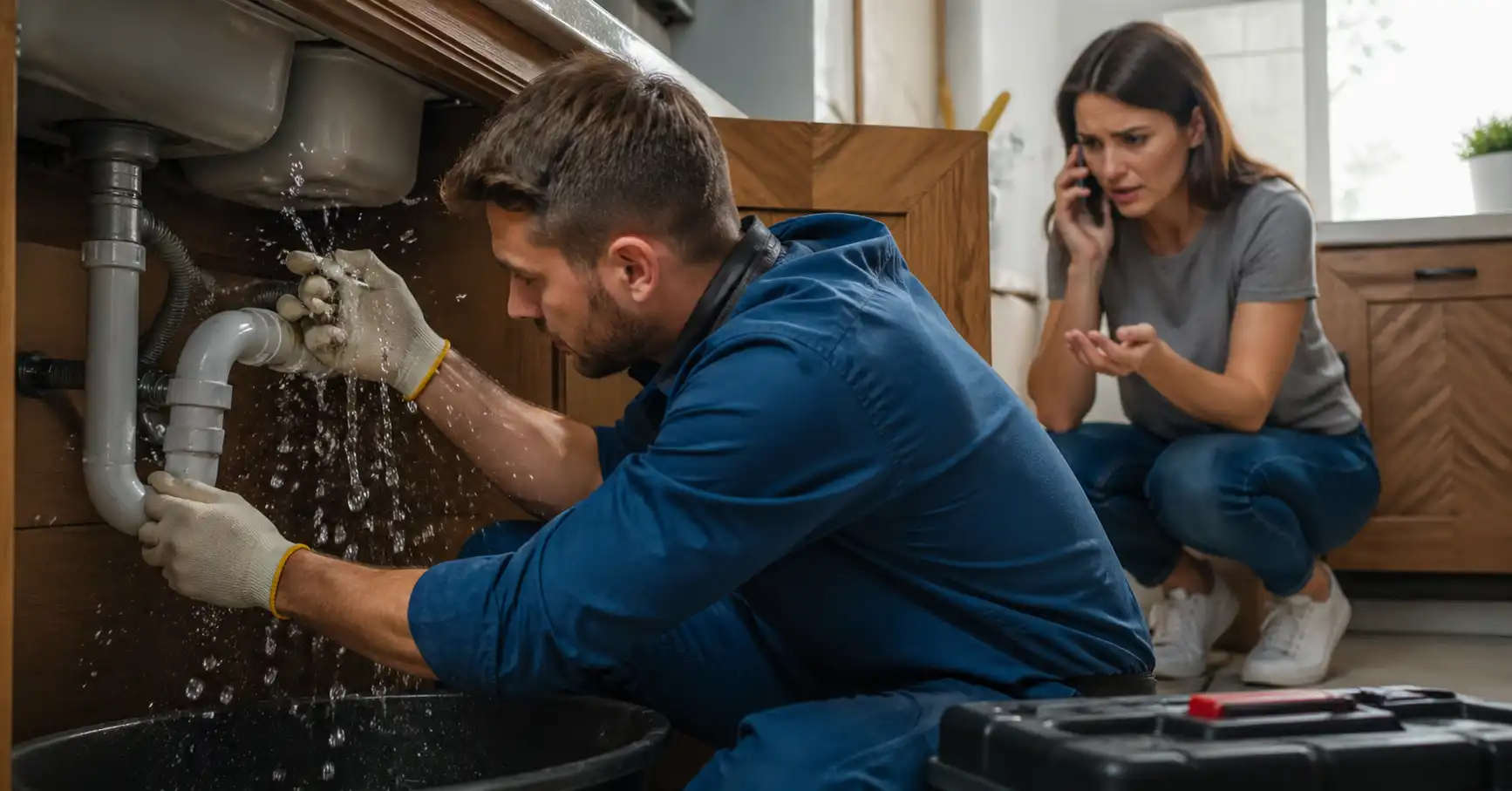
That tiny drip of hot water at 11pm might seem harmless, but it’s often the first clue that your hot water system is in trouble. You might wonder: is a quick hot water leak repair the answer, or is it time for a whole new heater?
In Perth’s tough conditions (hard water, salty air), learning the difference can save you stress, money and cold showers. Let’s walk through how to spot leaks, what fixes are easy, and when calling in a pro for a new system is the wisest move.
Spotting Leaks: Common Signs and First Steps
Even before you call a plumber, keep an eye out for telltale signs of trouble under the tank. Water pooling around the base, rusty stains on the shell, or a damp floor are classic clues. Other hints include strange noises (popping or rumbling) and fluctuations in water temperature.
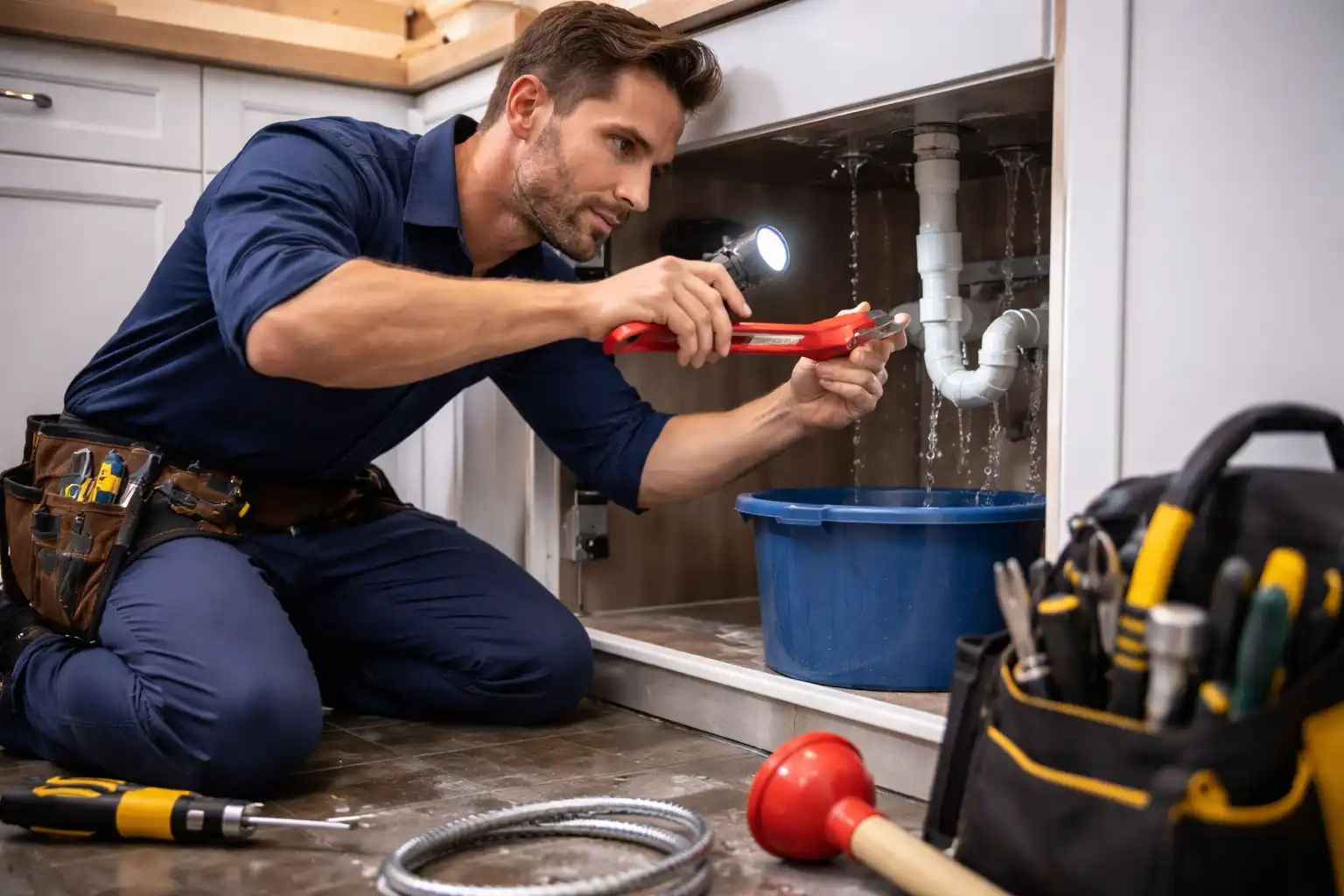
For minor drips, turn off the water supply immediately. You can then check for loose fittings or a leaky valve. In many cases a hot water leak repair is a simple fix like tightening a fitting or replacing a faulty pressure-relief valve.
DIY Checks: Before panicking, make a few quick checks yourself – ensure power or gas is on (relight the pilot if it’s a gas heater), reset any emergency switches, and inspect visible pipes and valves. Only handle gas or electrical components if you’re qualified! In WA, any hot water installation or major repair must be done by a licensed plumber. If your pre-checks don’t solve it, call the pros.
Key signs that demand a professional’s eye:
Water drips from the tank itself (not just the pipes), brown water, or if the system is over 10–12 years old. These often mean internal corrosion, which a plumber will recognize on inspection. Remember: a tiny leak today can mean a flooded laundry tomorrow. As Advantage Plumbing notes, “any puddle under the tank…is a warning sign” that may only be fixable by replacement if the tank shell is corroded.
When Is Repair Enough?
If your heater is relatively new (typically under 8 years) and the leak is from a replaceable part, a repair usually does the trick. Good candidates for hot water leak repair include younger systems with a single failed component – say a broken thermostat, anode rod, or a loose valve.
Advantage Plumbing explains that if your system is under about 8 years old and the problem is isolated, repairing it is often cheaper and quick. For example, swapping out a corroded element or resealing a valve typically costs just a few hundred dollars in Perth. (Dicksons Plumbing estimates basic fixes around $150–$350 for parts and labor.)
Also, if your existing system matches your needs perfectly (size, location, fuel type) and still has a valid tank warranty, sticking with repair makes sense. You can often replace an anode rod or valve as part of a routine service to stop leaks before they start. Regular maintenance flushing the tank and checking the anode every 5 years can give you 3–5 extra years on that unit.
In short: a hot water leak repair is enough when the unit is not old and the fix is isolated. Think: “under 8 years, one broken piece, affordable fix.” these puts it simply: “under ~8 years, a single part failure often means repair is cheaper,” and goes on to highlight that elements, thermostats or sensors, are designed to be replaced as they wear.
When to Replace Your Hot Water System
On the flip side, some leaks signal that it’s time for a new heater. Major candidates for replacement include:
Aged Systems: Storage tanks tend to hit 10–15 years at best in Perth before rust wins. RL Plumbing notes that anything over 12 years is usually better replaced, especially if components start failing. If your 10-year-old tank springs a leak, a quick fix only buys a few more months (if you’re lucky).
Tank Corrosion: If the leak comes from the tank itself (inside rusting through to the shell), it’s beyond repair. As one Perth plumbing guide warns, once water is pooling under the unit, it’s “goodbye tank” – you’ll need a new system.
Multiple Failures: Had one breakdown after another? If you’ve already replaced the thermostat, element, and valve in recent years, replacing might save money long-term. Advantage PG suggests that if you’re dealing with repeated breakdowns, or had leaks plus other issues, buying a new heater avoids the risk of total failure (and flooding) later.
Efficiency and Upgrades: Sometimes you’ll choose replacement even before complete failure. Newer heaters (especially heat pump and solar models) are far more efficient. Perth plumbers note that a modern heat pump uses only ~30% of the electricity of an old electric tank.
If your energy bills are high, a hot water installation of a more efficient model might pay for itself in a few years. Gas or hybrid upgrades also change running costs dramatically.
Repair vs Replace Cost: Finally, do the math. If the repair bill is hefty say 40 – 50% or more of a new unit’s price and the heater is older, replacement is usually best. Rheem (a leading brand) puts it this way: “if repair costs exceed 50% of a new unit’s price, replacement is usually better.”
In practical terms, a $450 repair on a $1200 heater might be worth it at year 6, but by year 10 you’d rethink it. RL Plumbing gives the rule: “if repair cost exceeds 40% of replacement cost and system is over 8 years old, replacement usually makes more sense.”
Here’s a quick comparison of some scenarios:
| Situation | Likely Action | Why? |
| Under 7 years old, simple fix | Repair | Parts are available, tank is healthy, cheap fix. |
| 10+ years old, tank leak | Replace | Inner corrosion, beyond repair. |
| 10+ years, multiple issues | Replace | Prevent emergency failures; get new warranty. |
| 8–10 years, minor issue | Depends on cost | If <40% of new cost, can repair; otherwise replace soon. |
| Want higher efficiency | Replace (upgrade) | New heat pump/instant models save energy long-term. |
Perth Factors: Costs, Types, and Maintenance
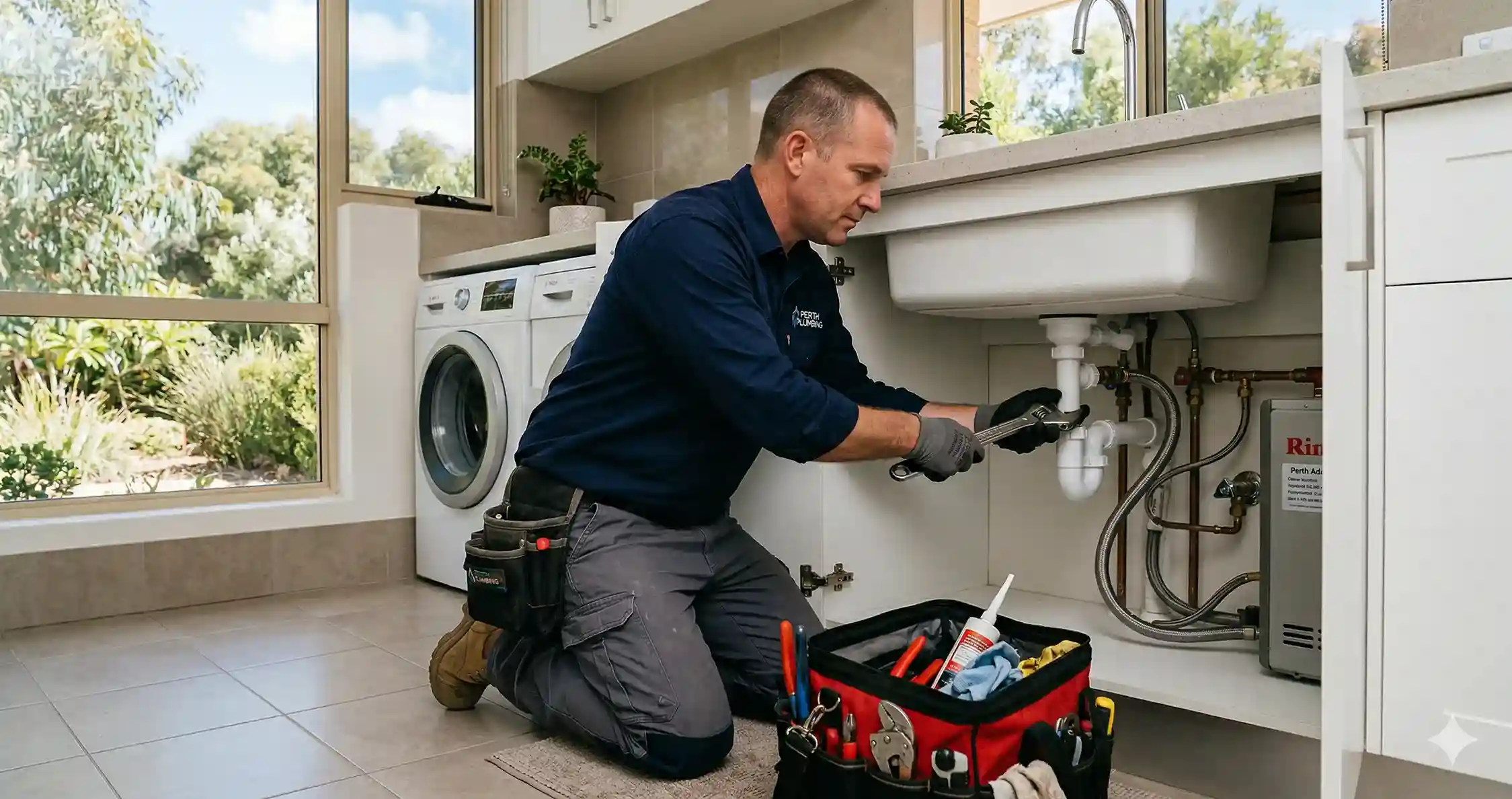
Perth’s environment and regulations play a role. Hot water installation and repairs must be done by a licensed plumber or gas fitter. In Western Australia, major plumbing work, including hot water installation, replacement of water heaters, and certain Hot Water Leak Repair jobs, must be completed by a licensed plumbing contractor. You can read the official requirements on the WA Government’s guide to plumbing work in your home.
In fact, WA law forbids unlicensed work on gas or major plumbing – licensed contractors must even hand you a compliance certificate after work like replacing a hot water heater. This ensures the repair or installation meets safety standards, so don’t gamble with DIY or cowboy handymen. (You can verify any plumber’s licence on the WA online register.)
System Lifespans: Expect about 8–12 years from an electric storage heater and 10–15 years for gas in Perth’s hard-water climate. Solar systems often last 15–20 years. Instantaneous (tankless) gas units sidestep tank corrosion completely, so they routinely last 15+ years if descaled regularly. In contrast, electric tanks inevitably rust out. As a rule, once you hit that 10–12 year window, start planning for replacement – don’t wait for a leak to force an emergency job.
Maintenance Tips: You can squeeze more life out of any heater by staying on top of maintenance. Plumbers recommend flushing your tank annually (to remove sediment that causes overheating and noise). Check the sacrificial anode rod every 5 years – replacing it can add 3–5 more years to tank life.
Also test or replace the tempering (mixing) valve and pressure-relief valve regularly to avoid leaks. Simply keeping the thermostat at 60°C helps too – higher temps accelerate corrosion. These steps won’t prevent every issue, but they do delay the day you’ll need to replace the unit.
Cost Snapshot (Perth): Minor part swaps run a few hundred dollars. For reference, Perth plumbers quote labour + parts: simple heating element or valve repairs might be $150–$350 apiece.
By contrast, a full replacement is a bigger investment: a like-for-like electric tank install starts around $1,200–$2,800. Gas instantaneous units go for $2,400–$4,200 installed, heat pumps $3,500–$6,500, and solar hot water $4,500–$8,500 depending on size. (A WA price guide notes basic electric replacement typically runs $1.5k–$2.5k.) Use these as ballpark budgets when debating a fix vs full replacement.
Conclusion and Next Steps
In the end, hot water leak repair is enough if the leak is minor and the system isn’t ancient. Tightening a fitting, replacing a valve or element, or resealing a joint can often buy years of service at little cost. But if your heater is aging, has a corroded tank, or if the repair is nearly as expensive as a new unit, it’s smarter to replace it. New systems come with updated warranties and much better energy efficiency (especially heat pumps or tankless gas), which pays off in time.
Your best moves: Hire a licensed Perth plumber to diagnose the leak – they’ll tell you if it’s a fix or a doomsday tank failure. Keep up with annual servicing (flush the tank, check valves and anode) to prolong life. And if replacement is needed, plan ahead: Compare quotes and consider any rebate schemes (WA often offers rebates for solar or heat pump upgrades).
Ready to solve that leak? Get in touch with a licensed plumber in Perth today to inspect your system. They can perform that timely hot water leak repair or recommend a new installation so your showers stay reliably warm. Don’t suffer one more cold morning – get expert help and enjoy peace of mind knowing the job is done right.
FAQs
How do I know if my hot water tank is leaking?
Look for water pooling around the heater, rust on the tank, or drips from fittings. A pooling tank means corrosion inside – this isn’t fixable. If the leak is from a valve or pipe, it’s usually repairable.
Should I repair or replace a leaking system?
If the heater is under ~8–10 years old and only one part has failed, a repair is typically enough. But if it’s older (10+ years) or the tank itself is corroded, replacement is usually the better (and safer) choice.
Can I fix a hot water leak myself?
You can tighten loose fittings or change simple parts (like valves) if you’re handy, but in WA any work on gas lines or mains electricity requires a licensed professional. When in doubt, call a qualified plumber – safety first.
How much does hot water leak repair cost in Perth?
Minor repairs typically cost a few hundred dollars (parts + labour). For context, a new electric tank install runs around $1.5–$2.5k in WA. If your repair quote nears half the price of a new system, consider replacement.
How can I extend the life of my hot water system?
Regular maintenance is key. Flush the tank yearly to clear sediment, check the anode rod every 5 years (replace if worn), and test valves periodically. These simple steps can add years to your heater’s lifespan.