A damp patch on the wall might not seem like a major concern at first. You wipe it down, check the nearby tap and carry on with your day. But when the patch returns a few days later, there may be a leaking pipe hidden somewhere behind the wall. Problems like this are a good reason to arrange plumbing pipe repair before the damage spreads through your Perth property.
Water has a way of finding places you cannot easily see. It can seep beneath floorboards, collect inside cupboards and soak into plasterboard. Sometimes, the plumbing problem is obvious. A burst pipe can send water across a room in minutes. Other leaks are much slower, leaving homeowners unaware of the problem until a water bill increases or a ceiling starts to stain.
Knowing what to look for can help you act sooner. A timely repair, including plumbing pipe repair when needed, will not prevent every form of water damage, but it can stop an existing leak from causing further trouble.
Why Should You Deal With a Leaking Pipe Early?
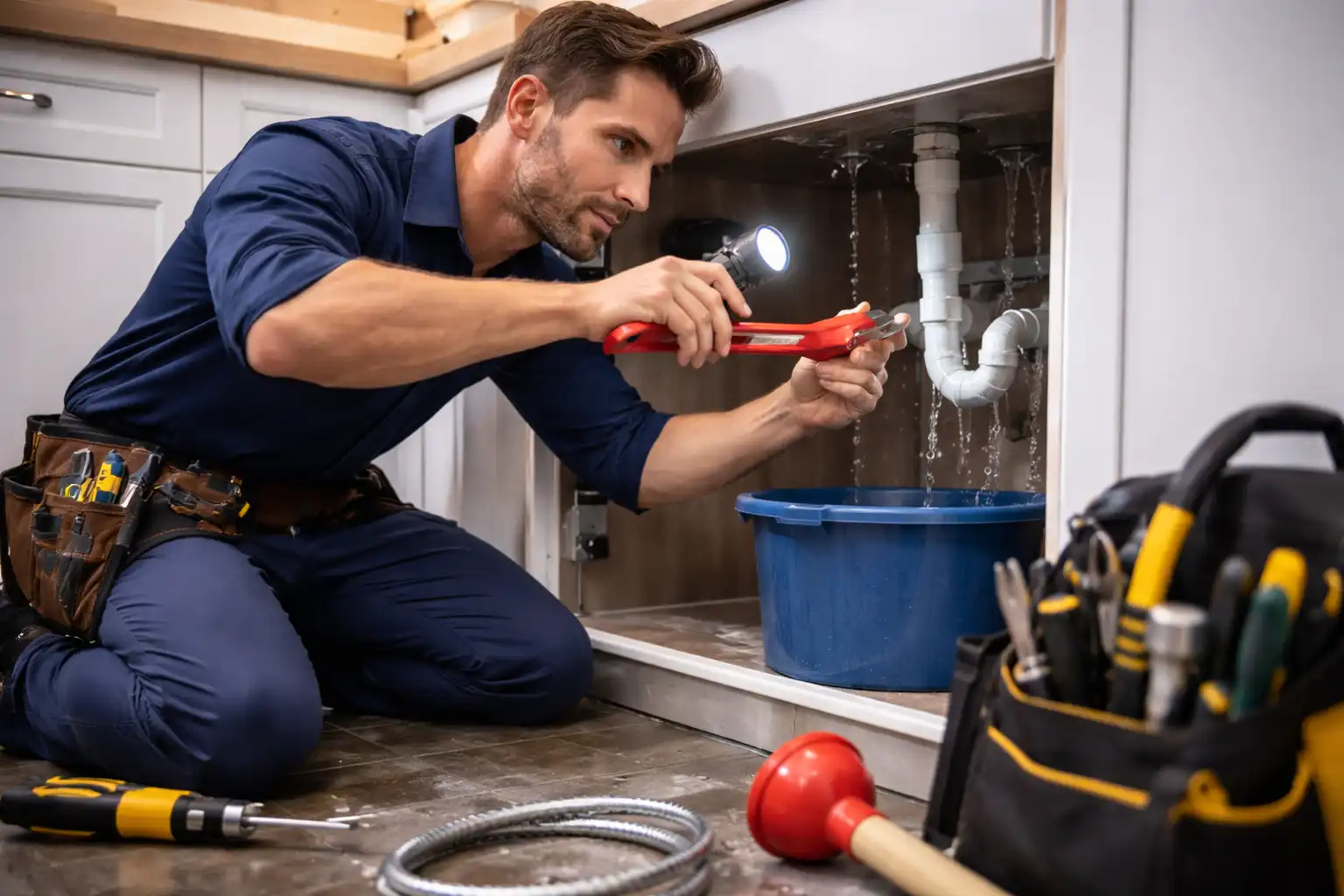
A leaking pipe does not need to release much water to create a problem. If it drips every few minutes, the moisture can gradually build up around the damaged section. In a confined space, such as beneath a kitchen sink, the water may have nowhere to go.
The damage often becomes more noticeable over time. Cupboard panels can swell, paint may start peeling and timber flooring can change shape. If the affected area stays damp, mold may develop as well.
Early plumbing pipe repair helps stop the source of the moisture. Depending on the fault, a plumber may be able to replace a worn fitting or repair a small section of pipe without disturbing much of the surrounding area. Arranging plumbing pipe repair promptly can also help limit the amount of water that reaches nearby surfaces.
Leaving the problem alone can make the job more complicated. A leak behind a bathroom wall, for instance, might eventually require both plumbing work and repairs to the wall lining. The actual cost depends on how far the water has travelled and which materials have been affected.
There is also the inconvenience to consider. Nobody wants a bathroom out of use or kitchen cupboards being removed because a small leak was left unattended.
What Are the First Signs of a Damaged Pipe?
Not all plumbing faults announce themselves with running water. Some of the early signs are easy to mistake for ordinary wear and tear.
A musty smell in a laundry room, for example, might seem harmless until you realise it never disappears. A patch of paint may bubble without any obvious reason. You might even hear water moving through the pipes when nobody is using a tap. These signs may indicate that plumbing pipe repair is needed before the moisture causes further damage.
An unexpected increase in your water bill is another reason to investigate. If your household has not changed its water use, check for running toilets, dripping taps and other visible issues. If nothing explains the increase, a concealed leak may be worth checking.
A few observations can help you decide when to seek professional advice:
- Water marks or damp patches that keep returning after the area has dried.
- A cupboard base, skirting board or section of flooring that feels unusually soft.
- Water pressure that changes without an obvious explanation.
- Corrosion or moisture around exposed pipe joints.
- Dripping sounds when taps and water-using appliances are switched off.
These clues do not prove that a pipe has failed. A leaking appliance, faulty tap or drainage problem can produce similar symptoms. An inspection is the best way to establish what is happening rather than spending money on the wrong repair. If a damaged pipe is identified, timely plumbing pipe repair can help prevent the problem from becoming more costly.
What Makes Water Pipes Leak or Burst?
Sometimes the cause is straightforward. A connection loosens, a seal wears out or a section of pipe begins to corrode. In other cases, the problem develops gradually and is only discovered when water starts appearing in an unexpected place. Timely plumbing pipe repair can help address these issues before they lead to more extensive damage.
Water pressure is worth considering, too. Pressure that is too high for the plumbing system can place extra strain on pipes, joints and connected appliances. If leaks keep appearing, repairing each damaged section without checking the pressure may not solve the underlying problem.
Building and renovation work can also damage pipework. A drill or fixing placed in the wrong spot may puncture a pipe inside a wall. Underground pipes can be affected by movement in the surrounding ground or damage during excavation.
Some Perth homeowners may also have concerns about the materials used in older plumbing installations. Western Australia’s Building and Energy regulator has published information about failures associated with certain Pro-fit Typlex 1050 polybutylene pipes installed in some properties. This concerns a specific product and should not be taken as evidence that all older homes have faulty pipes.
If your property has experienced several leaks, ask a licensed plumber to look at the wider system. The repeated failures may point to a common cause rather than a series of unrelated problems. A professional assessment can help determine whether further plumbing pipe repair or pipe replacement is needed to address the underlying cause.
How Can Plumbing Pipe Repair Reduce the Cost of Damage?
Consider a leak beneath a bathroom vanity. At first, the water may only reach the bottom of the cupboard. The damage might appear minor, so it is tempting to wait until there is more time to organise a repair.
A few weeks later, the cabinet base may have swollen and the wall behind it may feel damp. If the leak has continued, moisture might have reached the flooring as well. What started as a plumbing issue can now involve several different repairs.
This is where prompt plumbing pipe repair can make a difference. Stopping the leak early limits the time water has to spread. It may also reduce the amount of drying, cleaning and building work required afterwards.
The following examples show how different pipe problems can affect a property.
| Pipe problem | What could happen | Sensible next step |
| Loose connection beneath a sink | Water damages the cupboard base | Have the connection checked and repaired |
| Corroded pipework | Small leaks may become more frequent | Assess the damaged section and replace it if needed |
| Leak inside a wall | Moisture affects plasterboard and nearby materials | Locate the leak and check the surrounding area |
| Burst water pipe | Water spreads rapidly through rooms | Isolate the supply if safe and seek urgent assistance |
| Repeated leaks in different areas | Repair costs continue to add up | Investigate pressure and the condition of the wider system |
There is no single repair cost for these situations. A pipe that is easy to reach will usually involve different work from one buried beneath concrete or concealed inside a wall. The extent of the water damage also matters.
Still, dealing with the plumbing fault before it gets worse gives you a better chance of avoiding additional work.
When Does a Pipe Problem Become an Emergency?
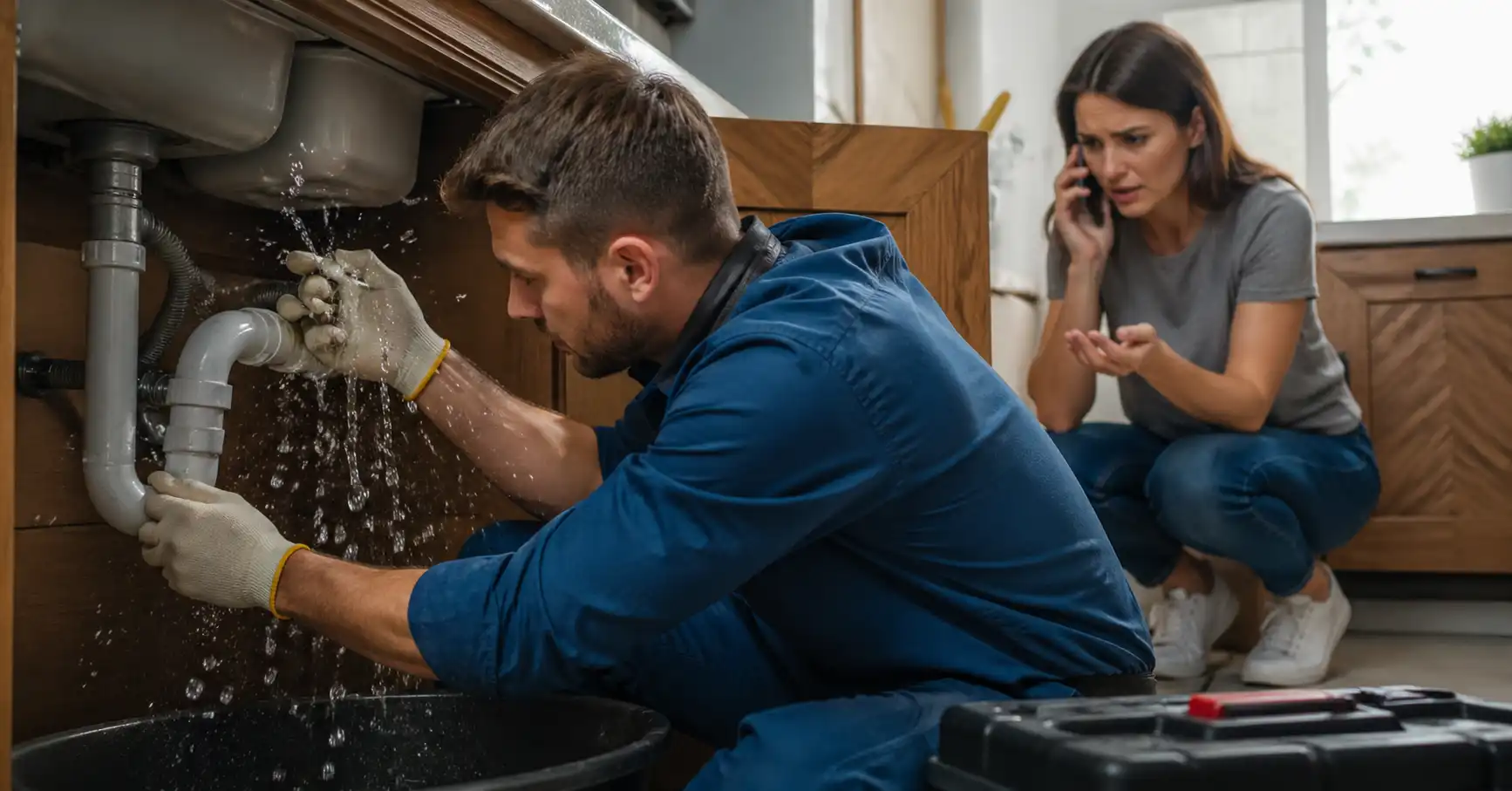
A burst pipe needs a different response from a small, occasional drip. If water is escaping quickly, turn off the main water supply if you can do so safely. Move away from affected electrical equipment and outlets. If flooding has created a possible electrical hazard, do not enter the affected area.
Arrange urgent plumbing assistance and explain where the water is coming from, if known. If you cannot locate the isolation valve, avoid taking unnecessary risks while trying to reach it.
For a smaller leak, organise an inspection as soon as practical. A bucket or towel might contain a little water temporarily, but it will not stop the leak inside the pipe. Avoid covering a damp patch with paint before the source has been found.
In Western Australia, plumbing work is regulated, and most plumbing tasks must be carried out by appropriately licensed people, subject to limited exceptions. The WA Government’s guidance on licensed plumbing work explains the requirements for work around the home.
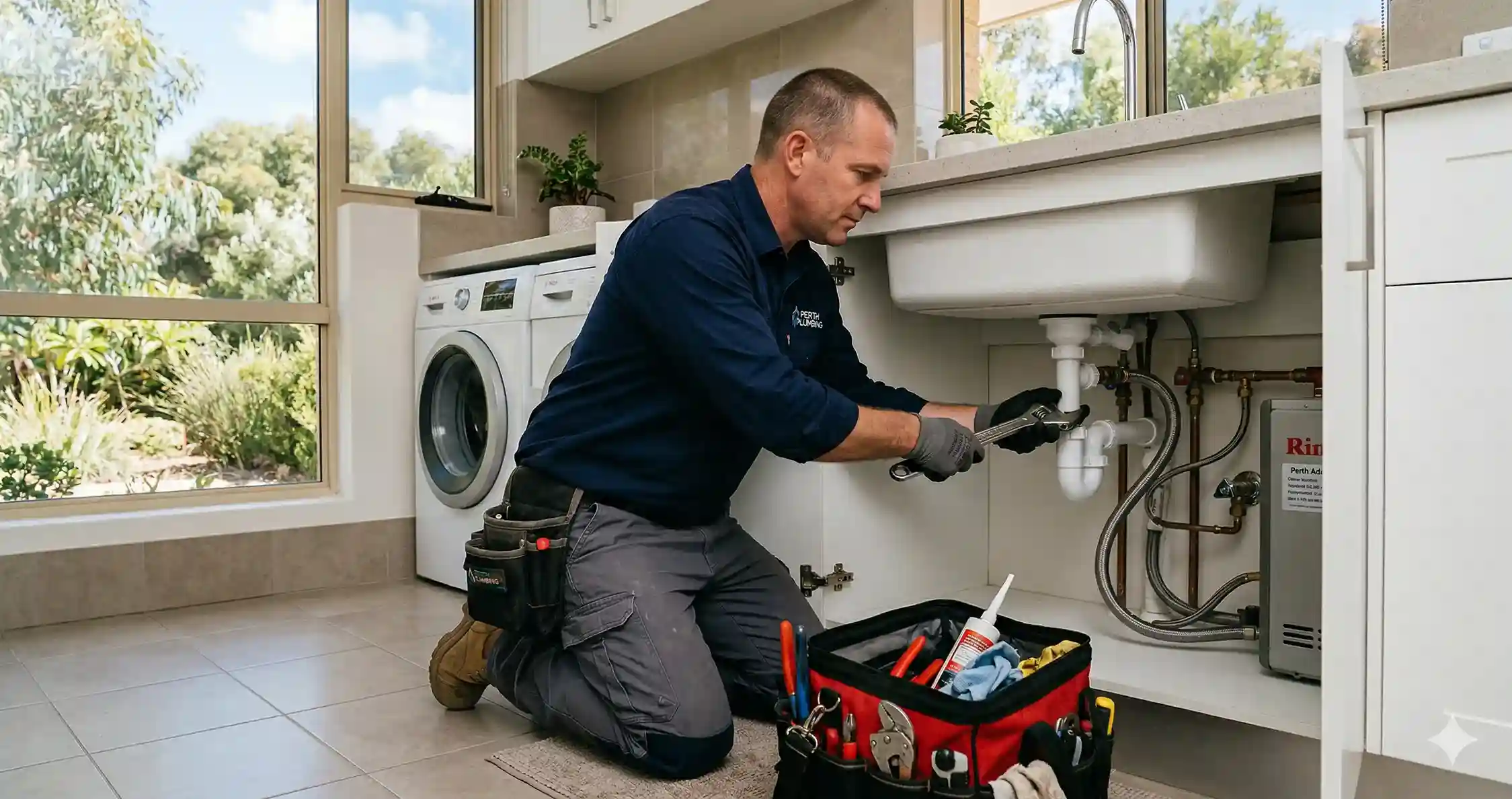
Professional plumbing pipe repair should involve more than stopping the visible drip. The plumber needs to identify the fault and consider whether the surrounding pipework is also affected.
If high pressure or deteriorating materials contributed to the failure, those issues may need attention as well. Prompt plumbing pipe repair can help limit further water damage and reduce the risk of the problem getting worse.
What Happens When a Plumber Repairs a Pipe?
The first step is usually to work out where the water is coming from. The plumber may ask when you notice the problem, whether it gets worse at certain times and whether any previous repairs have been carried out.
Visible pipework and nearby fittings are checked first where possible. If the leak is concealed, suitable testing or leak-detection equipment may help narrow down its location. The method depends on the property and the symptoms. This initial inspection helps determine the right approach to plumbing pipe repair.
Once the cause is clear, the plumber can explain the available options. A worn connector may only need replacement. A cracked pipe might require a new section, while badly deteriorated pipework could need more extensive work.
After the repair, the affected section should be checked for leaks and correct operation. Where water has entered walls or flooring, further drying and assessment may be necessary. Fixing the pipe does not automatically mean the surrounding building materials are dry.
It is worth asking what caused the failure, particularly if the same problem has happened before. Understanding the cause may help you avoid another plumbing pipe repair in the same location.
How Can Perth Homeowners Avoid Repeat Plumbing Problems?
You do not need to inspect every pipe in your home each week. A few simple habits can help you notice trouble before it becomes difficult to manage.
Check beneath sinks and around washing machine connections occasionally. Look for moisture, rust marks or signs that a joint has started to deteriorate. If the water bill rises unexpectedly, take time to investigate rather than assuming the increase is normal. Early plumbing pipe repair can help prevent minor leaks from becoming more serious problems.
It also helps to know where the main water isolation valve is. In a burst-pipe situation, being able to turn off the supply quickly can limit the amount of water released into the property.
If you are renovating a kitchen or bathroom, make sure changes to the plumbing are handled by an appropriately licensed professional. Where older pipework has a history of leaking, ask whether an inspection of the wider system would be worthwhile. This can help determine whether further plumbing pipe repair is needed to prevent recurring faults.
Landlords and property managers have an additional responsibility to respond to maintenance reports promptly. Tenants should know how to report a leak, and repair requests should not be left sitting unnoticed. Keeping records of previous plumbing work can help identify recurring faults.
Conclusion
A small leak can be easy to overlook, especially when the water is hidden behind a wall or beneath a cupboard. The trouble is that the damage can continue even when you cannot see it. Acting early with plumbing pipe repair can help Perth property owners limit moisture damage and avoid more extensive restoration work.
The right solution depends on the cause of the leak, the condition of the pipe and how easily the damaged section can be reached. Paying attention to unusual dampness, water bills and changes in pressure can help you recognise when something needs checking.
If you have found a leaking pipe or noticed signs of water damage at your property, Advantage Plumbing and Gas today to discuss your plumbing and property maintenance needs.
Frequently Asked Questions
1. How soon should a leaking pipe be repaired?
It is best to arrange a repair as soon as you discover the leak. A burst pipe or rapidly spreading leak needs urgent attention, while a slow drip should still be checked before it damages nearby materials.
2. Can a small leak cause expensive water damage?
Yes. Water can gradually soak into cupboards, plasterboard, flooring and timber. If the leak remains hidden for a long time, you may need building repairs as well as plumbing work.
3. Is repairing a pipe better than replacing it?
That depends on the condition of the pipe. An isolated fault may only need a local repair, but widespread corrosion or repeated failures may make replacement a better option. A plumber can assess the situation.
4. Will home insurance pay for damage caused by a leaking pipe?
It depends on your policy and how the damage occurred. Some policies cover sudden and accidental water damage, while gradual leaks or maintenance-related problems may be treated differently. Check the policy wording and speak with your insurer.
5. What should I do if a pipe bursts at my Perth property?
Turn off the water supply if it is safe, keep clear of areas where water may contact electrical systems, and arrange urgent assistance from a licensed plumber. Do not enter a flooded area if there is an electrical risk.