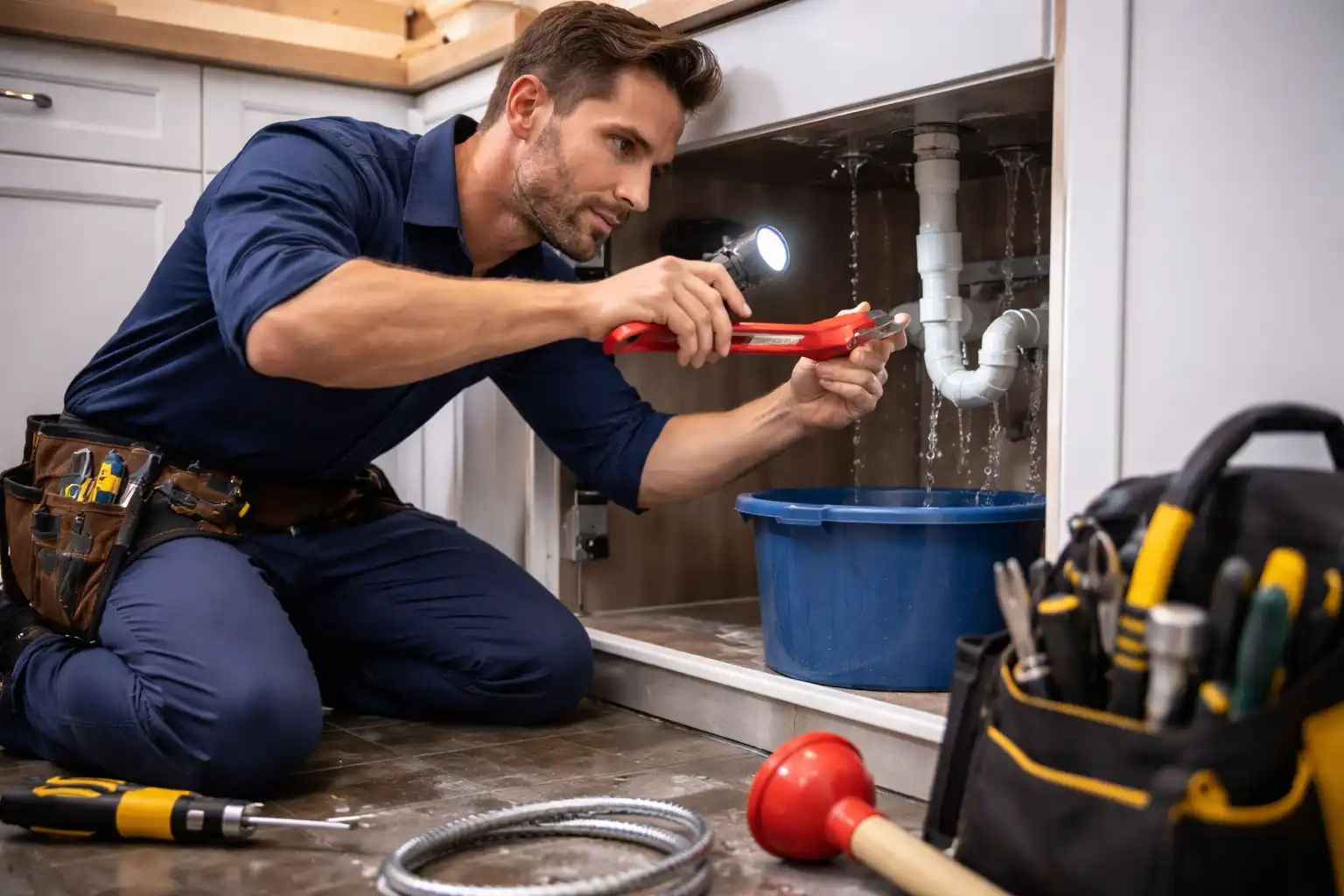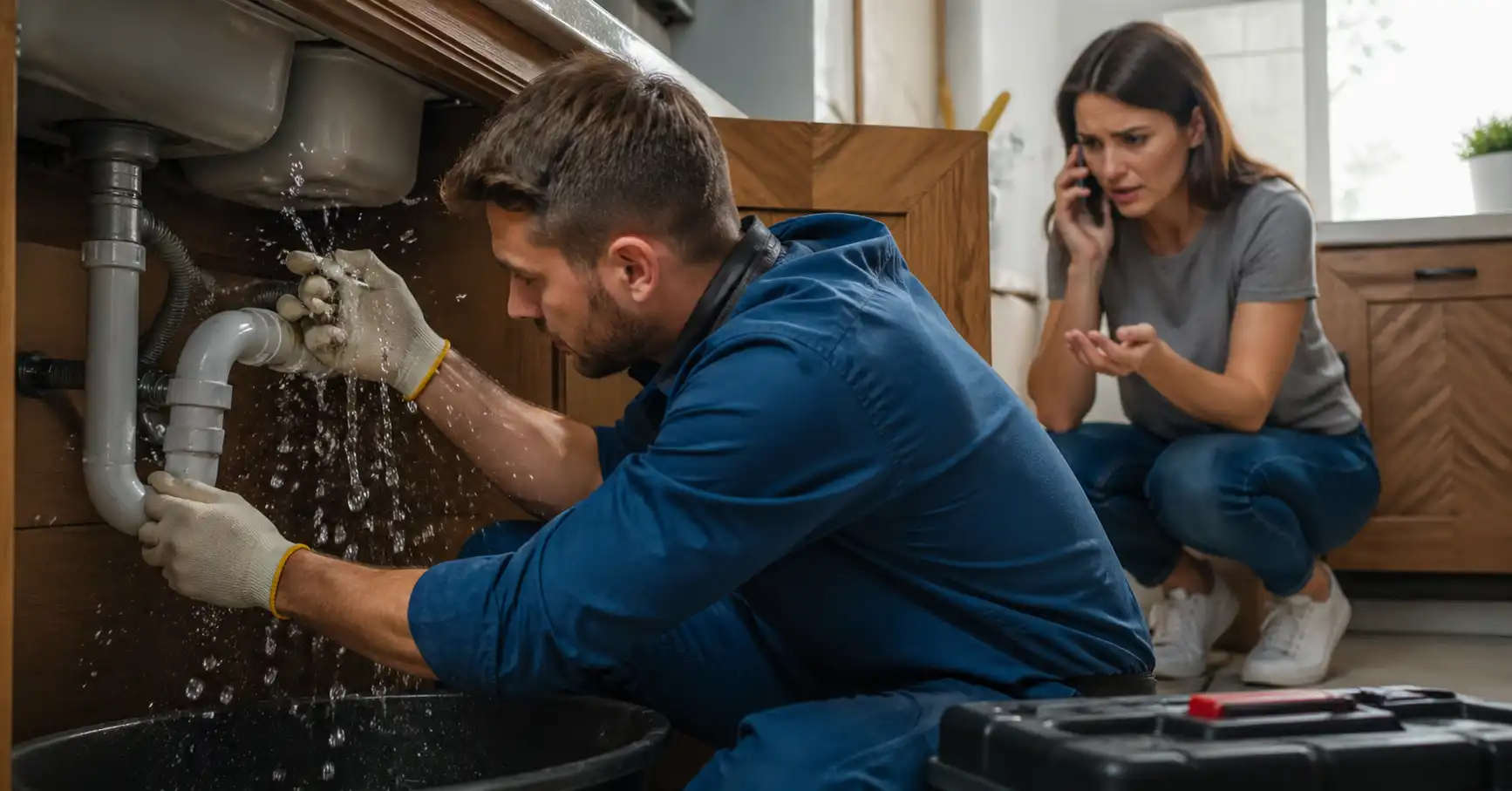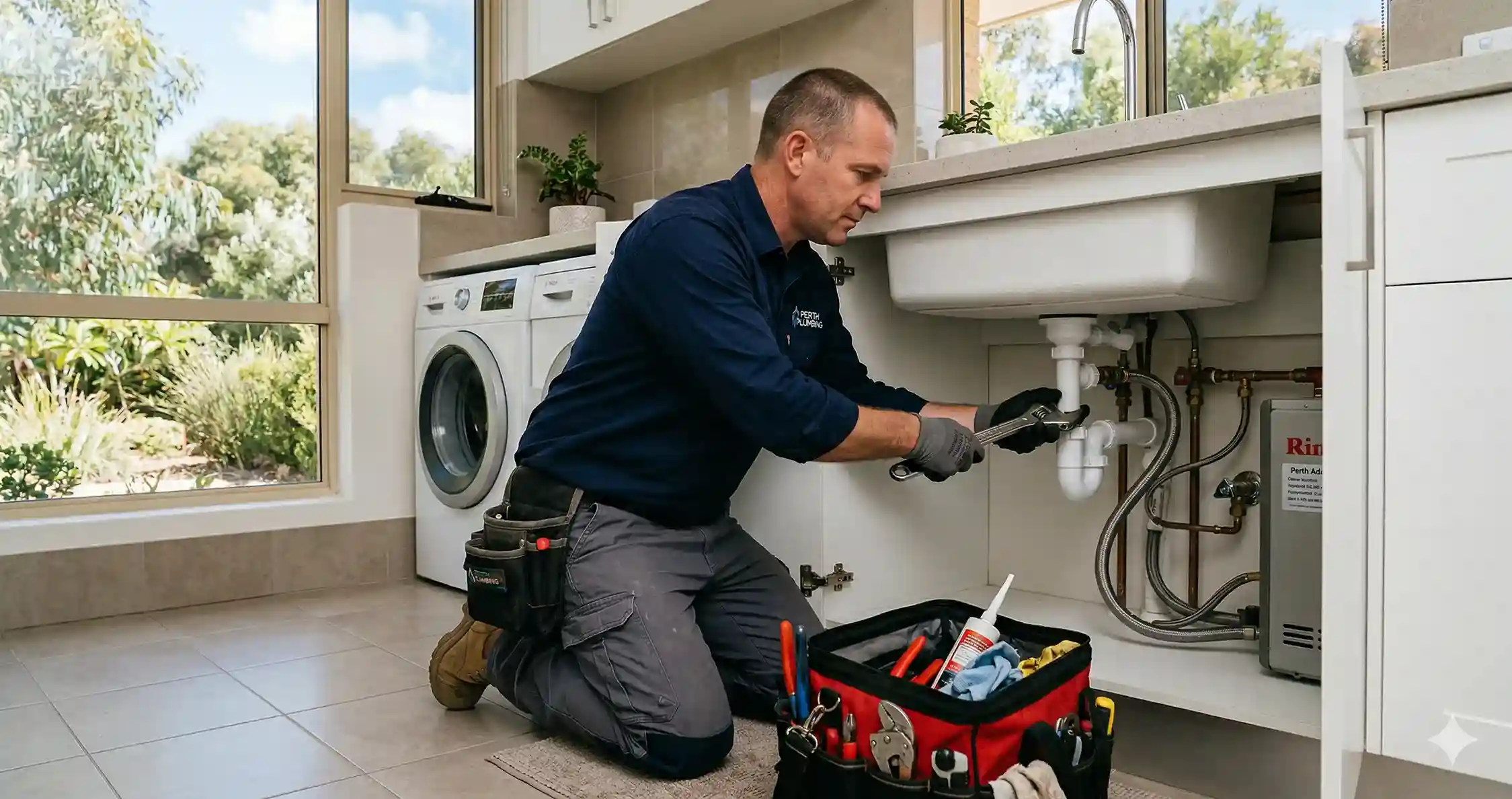
Blockages in toilets can strike anytime, turning your morning routine into a horror show. Maybe you flushed too much paper or the kids flushed their toy car (true story!). Whatever caused it, a blocked toilet is a messy emergency.
In this guide, I’ll walk you through DIY fixes and when to call a blocked toilet plumber. We’ll keep it casual (no plumber-speak!), with some humor and real talk. Let’s plunge right in!
Why Toilets Clog (The Usual Suspects)
Toilets can clog for all sorts of reasons. Here are the most common culprits:
Too much toilet paper or wiping – Even regular toilet paper can pack up a bowl if you use a double layer. Wet wipes (even “flushable” ones) and paper towels are worse; they swell and snag pipes. Habitual flushers often shockingly learn the hard way to never flush wipes or pads.
Foreign objects – Kids’ toys, cotton buds, dental floss, or grandma’s jewelry can slip into the bowl by accident. These will jam the trap quickly.
Sanitary products – Sanitary pads, tampons, and even those tamper-proof toilet fresheners don’t dissolve. Flush them, and they’ll hold on for dear life, gumming up the trap or sewer line.
Toilet malfunctions – A faulty or undersized toilet cistern (tank) can leave too little water flow to push waste away. Low-flow or EcoToilets often struggle if overloaded with paper.
Tree roots and pipe damage – In Perth, stubborn tree roots and shifting clay soil sometimes crack underground pipes. Roots can pierce old drain lines, creating partial blockages that get worse over time. Or a collapsed pipe (from corrosion or settling soil) will snag anything passing by.
Pro Tip: If your toilet keeps clogging repeatedly, it usually means a deeper problem: warped pipes, roots, or damage down the line.
In short, toilets are NOT trash cans. Only pee, poo and toilet paper belong down there (and always in moderation). Everything else should go in the bin. Many plumber sites warn that recurring clogs often come from flushing the wrong stuff. Learning what not to flush can prevent hours of frustration later.
Quick DIY: How to Unclog the Toilet Yourself
Before dialing up a plumber, try these home fixes. (Legally, in WA you’re allowed to clear a blockage with a plunger; anything more complex needs a licensed pro.) Before dialing up a plumber, try these home fixes. (Legally, in WA you’re allowed to clear a blockage with a plunger; anything more complex needs a licensed pro.) For more information about what plumbing work homeowners can do themselves and when a licensed plumber is required, see the WA Government’s guide to plumbing work in your home.
Prep the scene. If the bowl is dangerously full, first turn off the water at the isolation tap behind the toilet (or stop the tank fill). You don’t want an overflow flood! If the bowl is moderately full, make sure there’s enough water to cover the head of a plunger.
Plunge it good. Use a flange plunger (the kind made for toilets). Position it firmly over the hole, push down gently to seal out air, then pump up-and-down vigorously 10–20 times. The goal is to create suction to yank the blockage loose. After a few pumps, pull straight up sharply. If the clog moves, flush to test. If it still sits there, repeat. A decent plunger often does the trick for minor clogs.
Hot water + dish soap. If plunging fizzles out, try this old trick: Pour about a cup of dish soap into the bowl. Let it sit 10 minutes – the soap can lubricate and break down fatty deposits (like grease from baby wipes or oily matter). Then pour 2–3 litres of very hot (not boiling) water from waist height into the bowl. The combination of soap and heat can soften and wash away the blockage. Wait a few minutes and try plunging again.
Baking soda & vinegar fizz. Hilton Plumbing (Perth) suggests a fizzy cure: add one cup of baking soda to the bowl, then slowly pour in two cups of white vinegar. Wait a few minutes for the fizzing action, then pour in 3 litres of boiling water. The chemical reaction can sometimes clear minor clogs or clean the pipe lining. (Hint: This is essentially a homemade drain-cleaner; it works best on paper/paste clogs.)
Toilet auger (snake). For a tougher clog, a toilet auger (closet snake) can help. Feed the spiral end into the bowl’s outlet and crank the handle. It’ll either break the clog up or hook it. You can buy a manual one from Bunnings. (Be careful: aggressive snaking might scratch your porcelain if you pull it too hard or push at the wrong angle.)
Avoid harsh chemicals. Skip store-bought drain cleaners for toilets. Most contain caustic lye or acids that can crack porcelain, dissolve seals, and damage pipes. They can also harm septic or sewer bacteria. Plumbers generally prefer mechanical methods (snakes, jetters) over chemicals for good reason.
Quick Safety Note: If flushing fails twice and water starts rising, stop immediately. Don’t keep flushing or you’ll flood. If your DIY attempts aren’t budging the clog, it’s time to call in the experts.
When to Call a Blocked Toilet Plumber
You’ve tried everything short of breaking the toilet – but that clog ain’t going anywhere. Now it’s time to pick up the phone. Here’s when a blocked toilet plumber is your best ally:
Persistent or recurring clogs: If the same toilet blocks again and again (even after you fix it temporarily), there’s probably something deeper. Maybe a soil stack (the main vertical pipe) is partially blocked or cracked.
Multiple backups: Drains elsewhere clogging too? If your toilet spillover backs up into sinks, showers or floor wastes, or a bathroom gurgles when you flush the loo, consider it an emergency. That likely means the main sewer line is blocked or damaged. Don’t ignore it – sewage can start leaking into your house or yard.
Overflow or sewage smell: If flush makes the bowl overflow, or you notice sewage backing up (into a shower or onto the floor), immediately turn off the water supply. Wastewater overflow is a health hazard. In Perth (as in all of WA), any sewage overflow should be treated with urgency. Call an emergency plumber 24/7. The Water Corporation and plumbers alike emphasize: if sewage spills, act fast.
Foul odours or gurgling: If your loo starts making low gurgling/moaning sounds or releasing bad sewer smells, there’s likely a clog partially trapping waste or air. Rotten, sewer-like smells from drains usually mean stagnant water stuck in the line. This is a sign to bite the bullet and get professional help.
Visible cracks or leaks: In some cases you might see water pooling under the floor or on a drain access. Or a CCTV (camera) inspection could reveal a broken pipe. These are definitely jobs for a licensed plumber with specialist equipment.
In short: minor drip or slow flush? Try DIY. Toilet refusing to budge or flooding? Call the pros. As one Perth plumbing writer noted, ignoring a clog usually leads to bigger trouble (think “my mate’s toilet shot water into the living room after a chemical drain cleaner” story). Don’t let a hard clog become a plumbing disaster.
Pro plumbers in Perth (A Team Plumbing, Plumbdog, Hilton, etc.) all offer 24/7 emergency blocked toilet service. Many guarantee no call-out fee if they fix it (just pay the quoted price). If it’s after-hours, you’ll probably pay a bit more, but it avoids flooding or contamination.
What Does the Blocked Toilet Plumber Do?
Once you call, a licensed toilet plumber will show up (hopefully on-time!) ready to tackle the clog. Here’s what usually happens:
Assessment and CCTV: First, the plumber will inspect. For quick clogs near the bowl, they might skip camera. But if it’s unclear or chronic, they often send a CCTV sewer camera down the drain. This mini-video reveal shows exactly where the blockage is (and what it is: hair, grease, roots, broken pipe, etc.). Modern Perth plumbers do this for tricky clogs. It saves guesswork.
Snake/auger: For many blockages, a long drain snake (sometimes called an “electric eel” if powered) is tried first. The plumber will feed this flexible cable down the toilet or drain, shred or hook the obstruction, then pull it out or push it away. Snakes handle things like toilet paper clumps or minor debris. But they can struggle with really tough clogs (like big root tangles or thick grease).
High-pressure hydro-jetting: These days, many plumbers favor hydro-jetting for serious clogs. This means blasting a high-pressure stream of water into the pipe. It’s like giving your plumbing a firehose bath – it blasts away grease, sludge, tree roots, and even the stubborn sludge from “flushable” wipes. Unlike acid chemicals, jetting is usually safe on pipes and amazingly effective. In Perth, hydro-jetters are standard gear on a plumber’s truck for blocked toilets and drains.
Minimal chemicals: If any cleaners are used, they’ll be safe, enzyme-based formulas (not toxic lye). Many pros avoid harsh chemicals altogether to protect your pipes and the environment.
Clearing the plug: For a toilet specifically, plumbers may also remove the toilet bowl itself to clear a nearby clog if needed (though that’s less common). Most of the time, they clear the blockage in the pipe. If the clog was right at the trap, flushing it into the sewer or snaking can free it.
Repairing pipe damage: If the CCTV showed a bad pipe (crack, root intrusion, collapse), they’ll advise repair. Nowadays plumbers often use trenchless relining (a coated tube inserted inside the old pipe) to avoid digging up your yard. But that’s another job after the clog is gone.
Inside scoop: After clearing, many Perth plumbers will actually show you before-and-after camera footage on their tablet. It’s satisfying (and reassuring) to see your pipe all clear. Many also guarantee their work; you might get a certificate of compliance (like a mini warranty) to prove the fix was done right.
Cost Factors & Getting a Quote
How much will this cost? It varies. In Perth, a simple fix might be around $100–$250. If you just need a plunger or short snake (and it’s not emergency hours), you’re on the lower end. But deeper or worse clogs take more time and gear:
DIY vs plumbing fee: If the plumber only needs to do a quick snake or jet, you’ll pay less. More complex cases (hydro-jetter use, camera inspection, or pipe repair) cost more – sometimes several hundred dollars more.
Call-out fee: Some plumbers charge a small fee just to come out, but many Perth plumbers (e.g. Plumbdog) waive it if you proceed with their service. Others include it in the job price. Always ask upfront.
After-hours surcharge: Expect to pay extra if you call late at night or on public holidays. Emergency service is available 24/7 in Perth, but it’s not usually the same rate as daytime.
Clear quotes: A reputable blocked toilet plumber will inspect, then give you a fixed-price quote before doing any work. That means they tell you the exact cost upfront. Some Perth companies highlight “no hidden charges” or “all work meets Australian plumbing standards”. Always ask for a written quote or estimate on site.
Save on surprises: If you just “point and pay after the fact,” you might get hit with extra fees. The golden rule: hire a plumber who explains costs clearly. (And yes, you should see their license or check it online – don’t trust random “blokes with a van” for plumbing.)
Here’s a quick ballpark table of blocked toilet costs in Perth (2026 estimates):
| Service | Estimated Cost (Perth) |
| Simple plunge/snaking (daytime) | ~$100 – $150 |
| High-pressure jetting & camera | ~$200 – $500+ |
| Emergency after-hours callout | +$50 – $100 surcharge |
| Major sewer line blockage | $500 – $1,000+ (if excavation needed) |
(Source: industry averages and Perth plumber quotes)
Again, it’s always best to get a few quotes. Reputable local sites like Master Plumbers or WA government advice recommend getting 2–3 quotes and checking licences. A price that’s too good to be true may mean poor work and more costs later.
Preventing Future Clogs
Once your loo is flowing again, let’s keep it that way! Here are some prevention tips:
Flush only the essentials. The best rule: if it didn’t come out of your body, don’t flush it. Throw wipes, paper towels, floss, hair, and sanitary items in the bin. (Local councils often have stickers in public bathrooms reminding us of this.)
Use less toilet paper. Teach family to use moderate amounts of TP and maybe flush twice if using a lot. Thinner two-ply paper that dissolves quickly can help.
Regular maintenance. Consider an annual check by a plumber. They can jet your drains to remove any grease or buildup before it blocks something. It’s like service oil changes, but for your pipes.
Beware the garbage disposal (if any). If you have a disposal in sink, be sure not to grind down too much waste especially fats and oils. Grease going into the drain can travel to the toilet.
Tree roots reminder. If your house has lots of big gum trees or older plumbing, it might be wise to get a scheduled drain camera inspection every few years. It catches root creep or pipe cracks before they slam you with a blockage.
Keep that cistern healthy. Ensure your toilet tank’s fill valve and flush mechanism are working well. A strong, full-flush pushes everything through better (sadly, we can’t control the Perth drought rules on water pressure, but even then, a well-adjusted flush helps).
Bonus eco note: Don’t use harsh chemical drain cleaners – they can kill beneficial bacteria if you’re on a septic system and pollute water if on sewer. Mechanical fixes are greener and safer.
Conclusion: Don’t Let It Sit!
A clogged toilet is annoying, but it’s fixable. Try a quick plunger or DIY fix, but don’t hesitate to call a blocked toilet plumber in Perth if it’s stubborn. Pros have the tools (augers, hydro jetters, cameras) to clear your drains safely and swiftly.
In Perth, many plumbers offer fast, same-day service and even emergency callouts. Getting a clogged toilet under control ASAP prevents bigger messes, health issues, and nasty costs later.
Next time your toilet’s woes reach new heights, ring a reputable local blocked toilet plumber right away. Remember, a plumber can fix it fast – leaving you with one less problem to worry about!
FAQs
Q: Can I unclog the toilet myself?
A: Yes, up to a point. You can legally plunge a blocked toilet yourself in WA. Basic DIY steps (plunging, hot water, baking soda/vinegar) are fine. But if that fails or if sewage is backing up, call a professional. Attempting fancy fixes or chemicals yourself can make things worse.
Q: Is a blocked toilet an emergency?
A: It can be. A slow drain or small clog is manageable. But an overflowing toilet or sewage back-up is an emergency. Raw sewage is a health hazard and can damage your home. Treat that as urgent and phone a 24-hour blocked toilet plumber immediately.
Q: What never should I flush down the toilet?
A: Non-biodegradable items like wet wipes (even “flushable” ones), paper towels, hygiene products, floss, cotton balls, kitty litter, and any kind of plastic. Only human waste and toilet paper belong in the loo. This prevents nearly all clogs.
Q: Why does my toilet keep getting blocked?
A: If it’s a one-off (too much TP or an object was flushed), clearing fixes it. But if every week you’re plunging, that suggests an underlying issue. It could be chronic sewer line blockage (roots, buildup), a damaged pipe, or a weak flush system. A plumber with a camera can diagnose persistent problems.
Q: How can I find a good blocked toilet plumber in Perth?
A: Look for licensed Perth plumbers who offer emergency service (24/7), fixed quotes, and plenty of local reviews. Check the WA Government register or Master Plumbers directory to verify their license. Make sure they have the equipment (augers, jetters, camera) and ask if they have a “no callout fee if we fix it” policy (like Plumbdog and others do). Trustworthy pros will be happy to answer your questions and explain costs clearly.